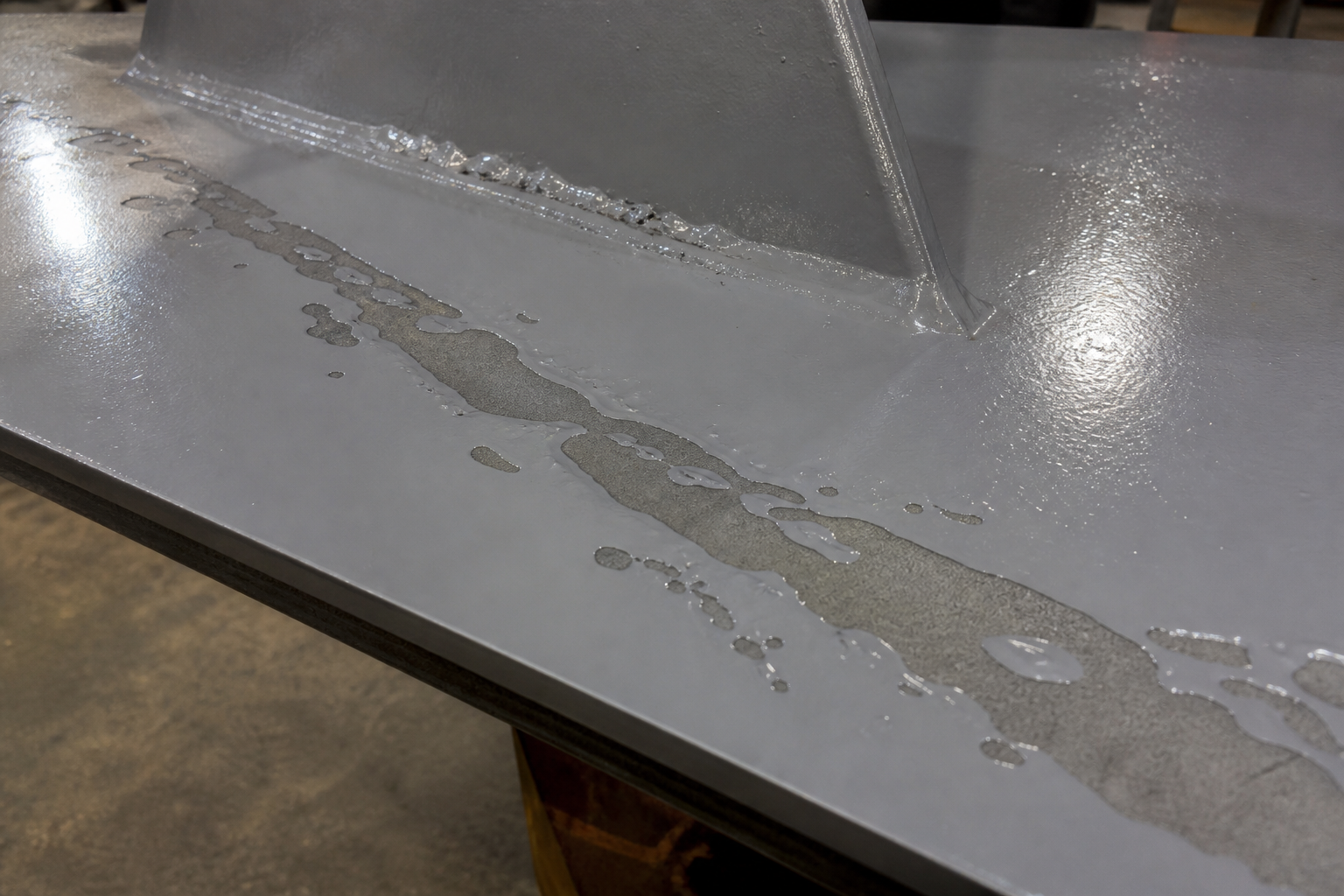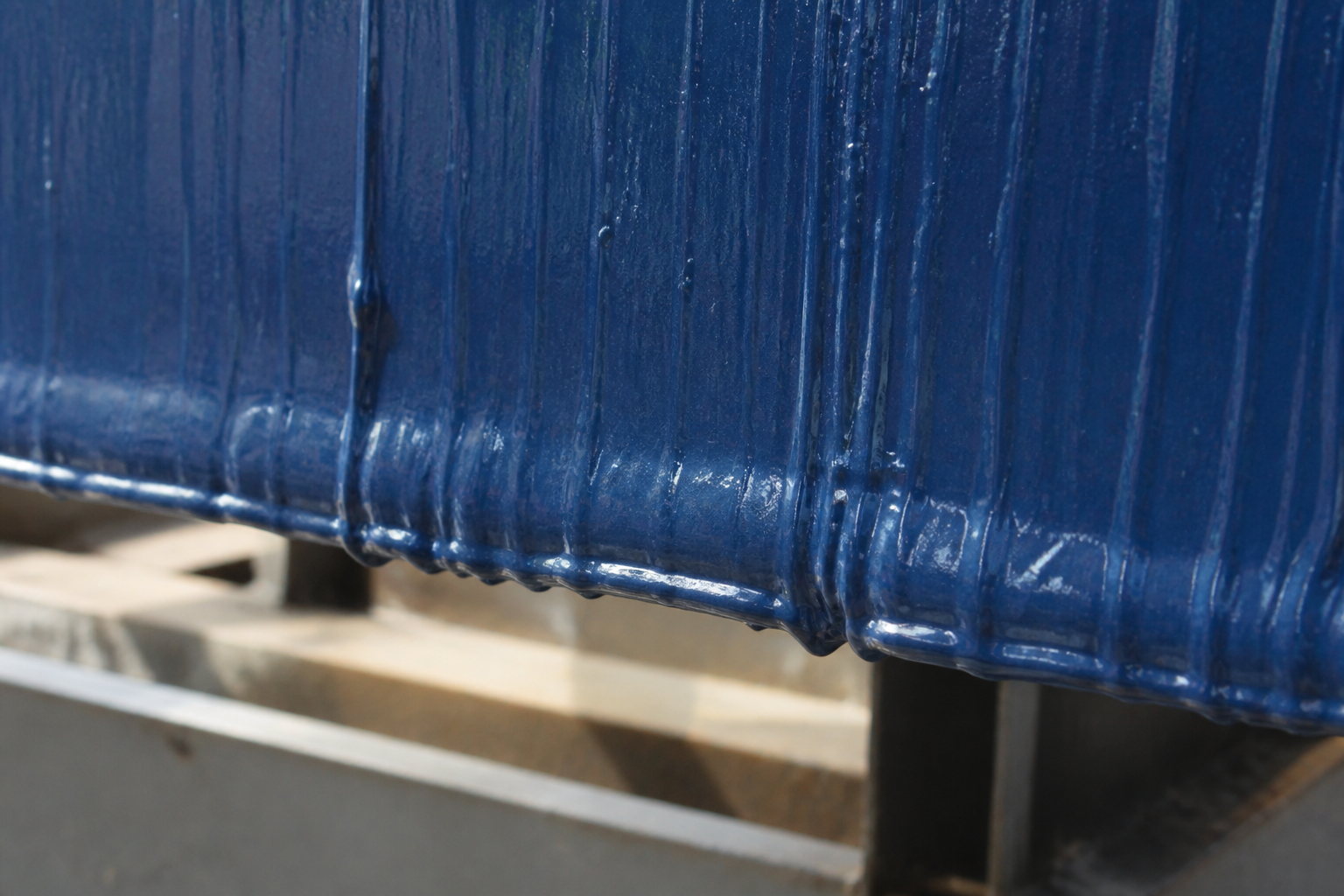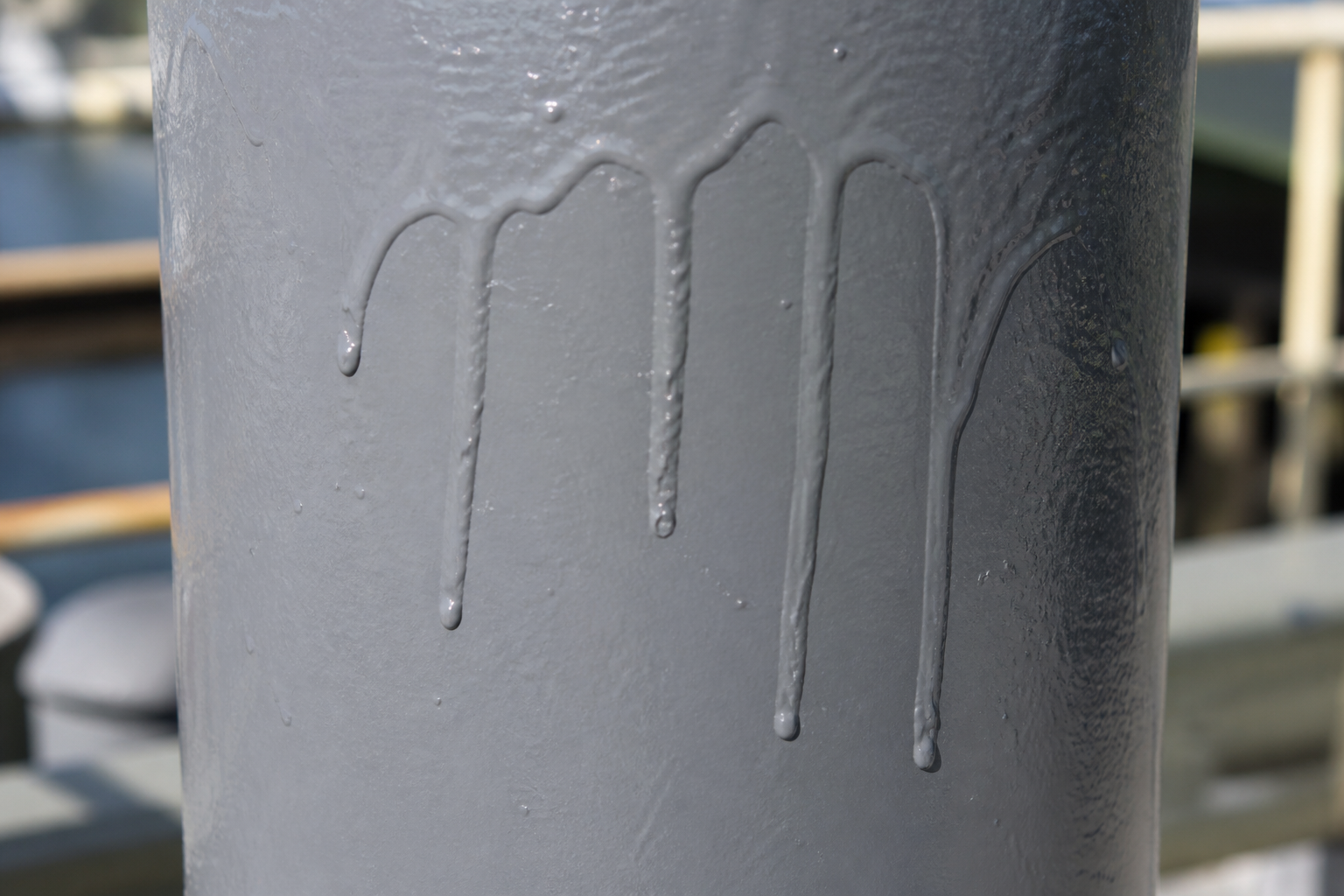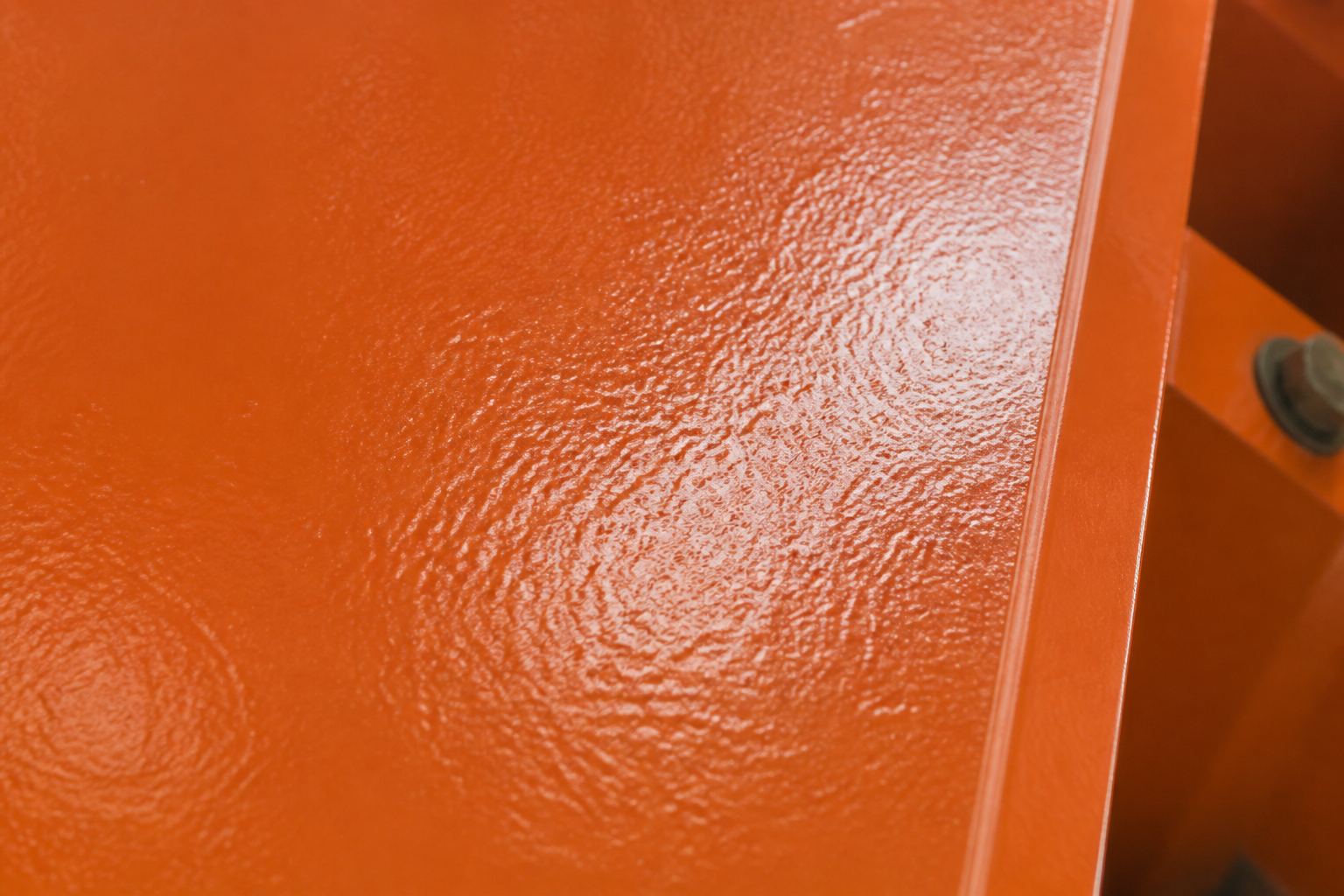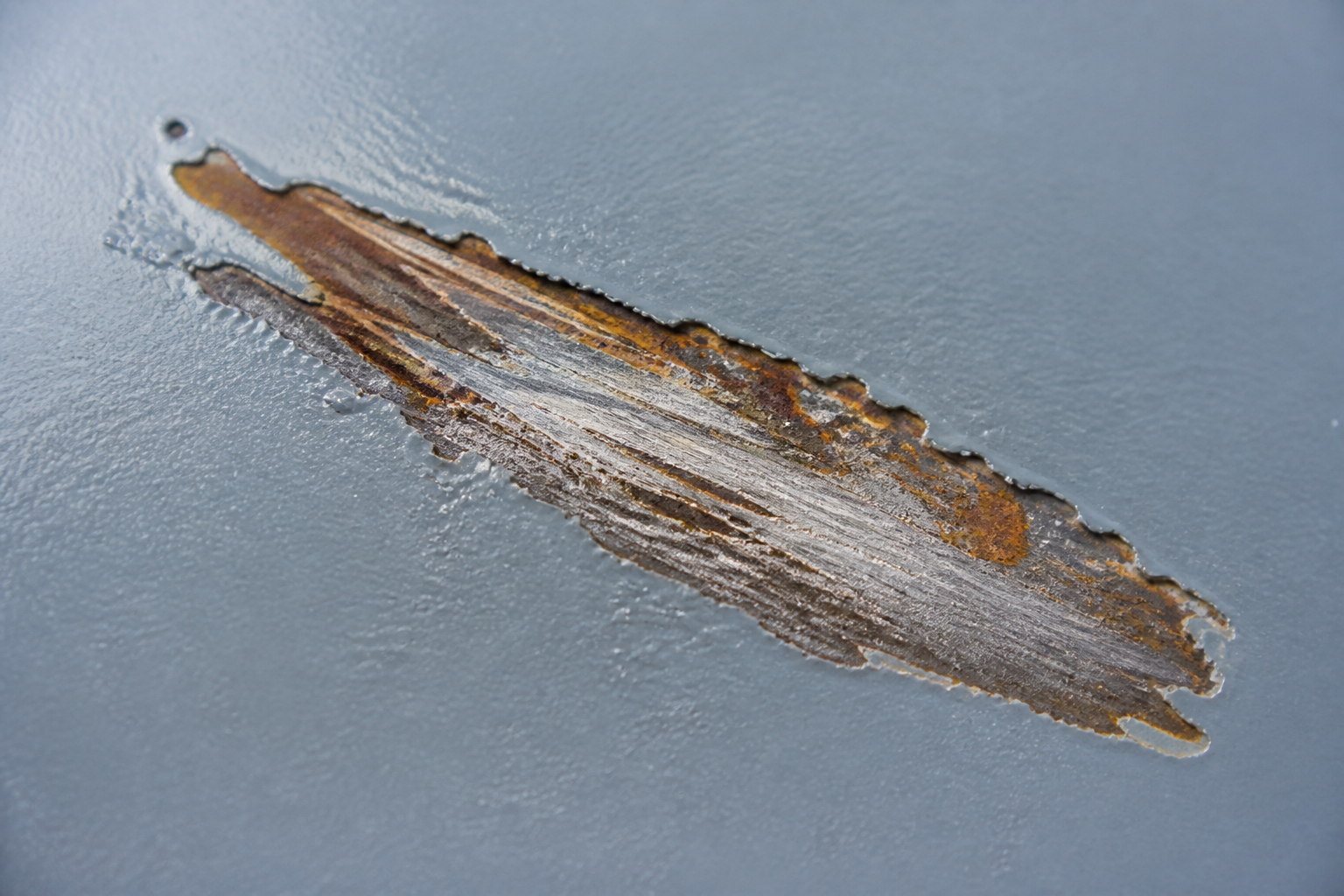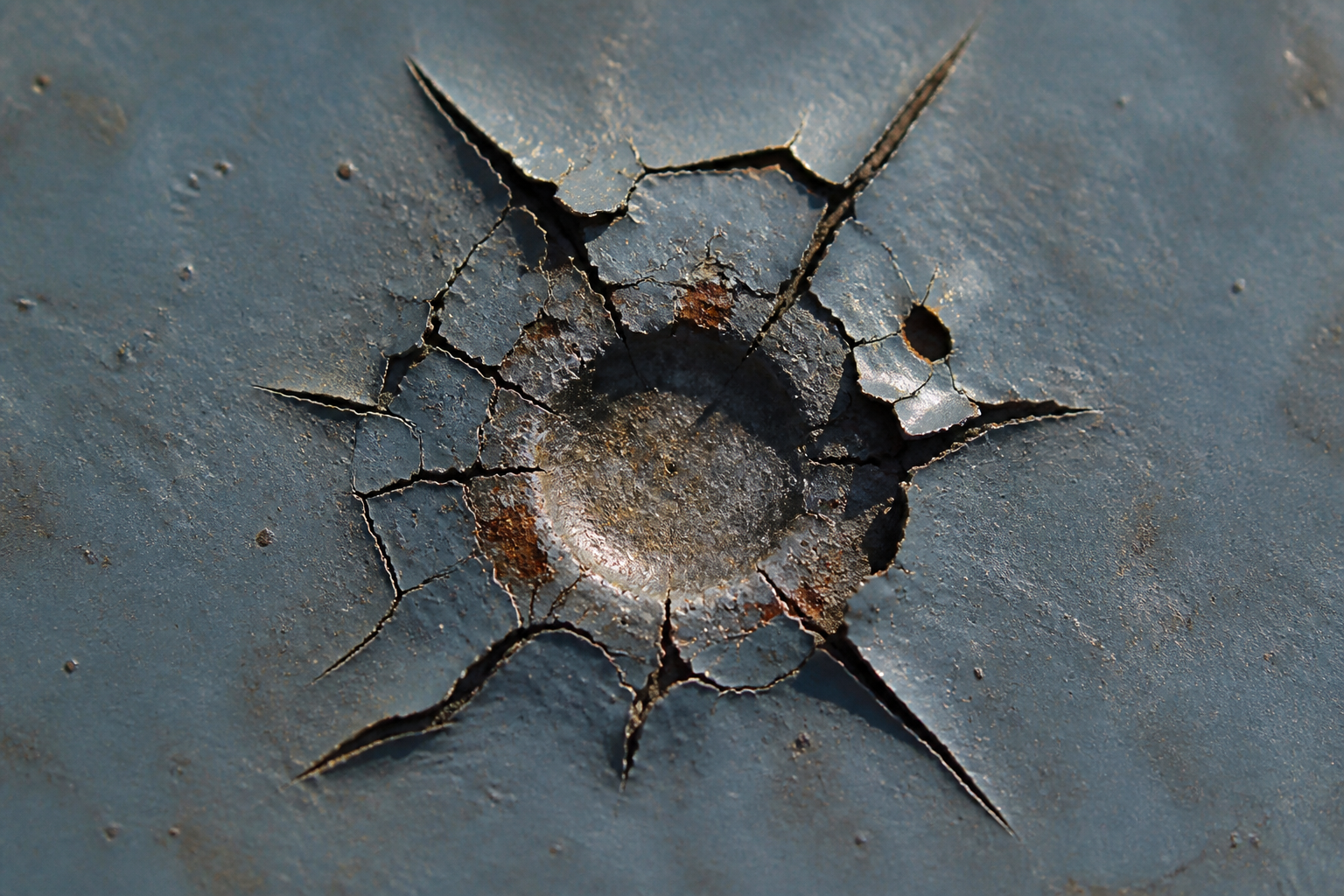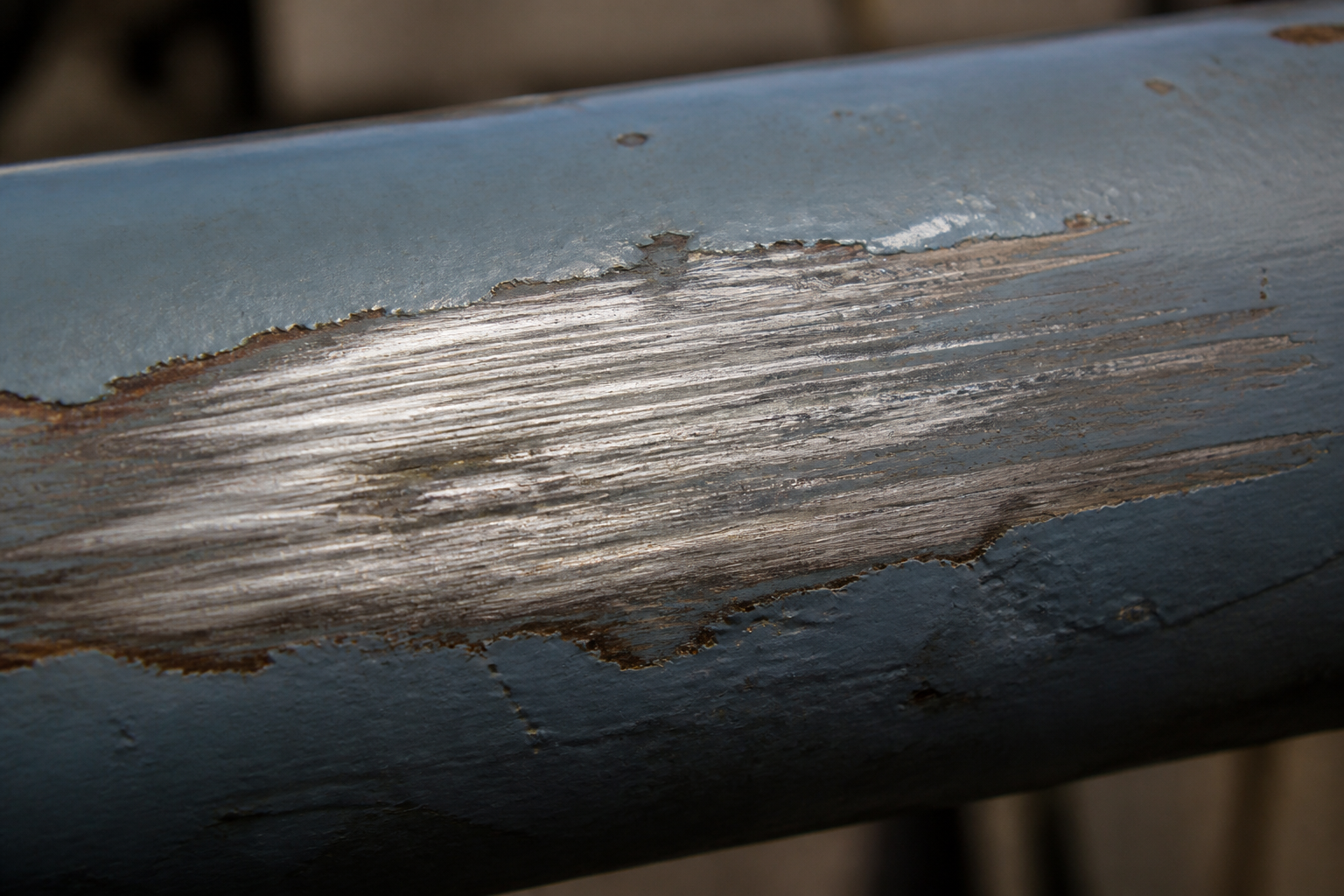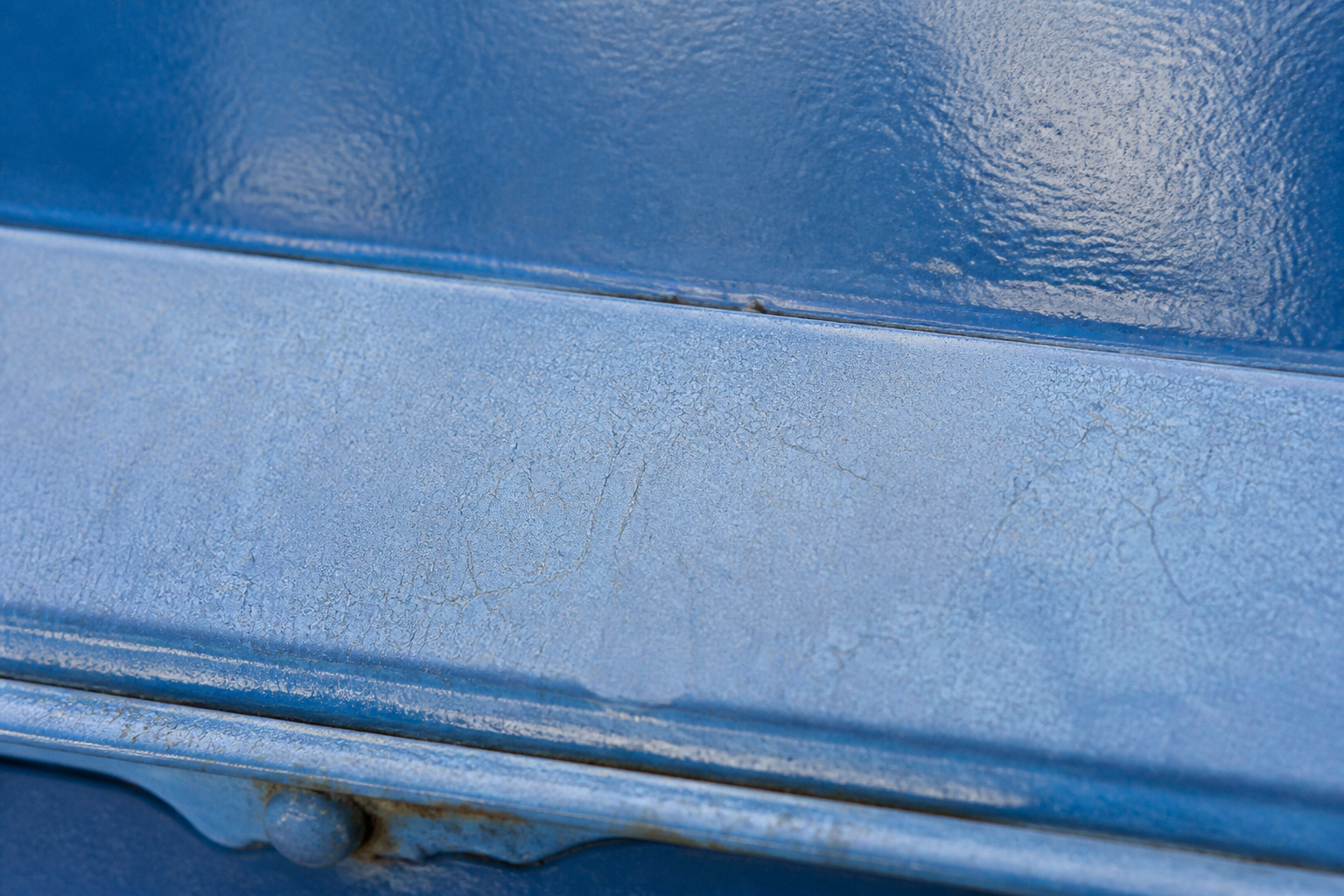
Technical field resource

Coating Defect Visual Aid

Protective Coating Defect Identification, Causes & Remediation

Use this field reference to review common coating defects, likely causes, inspection considerations, and typical remediation approaches for industrial and marine protective coating systems.

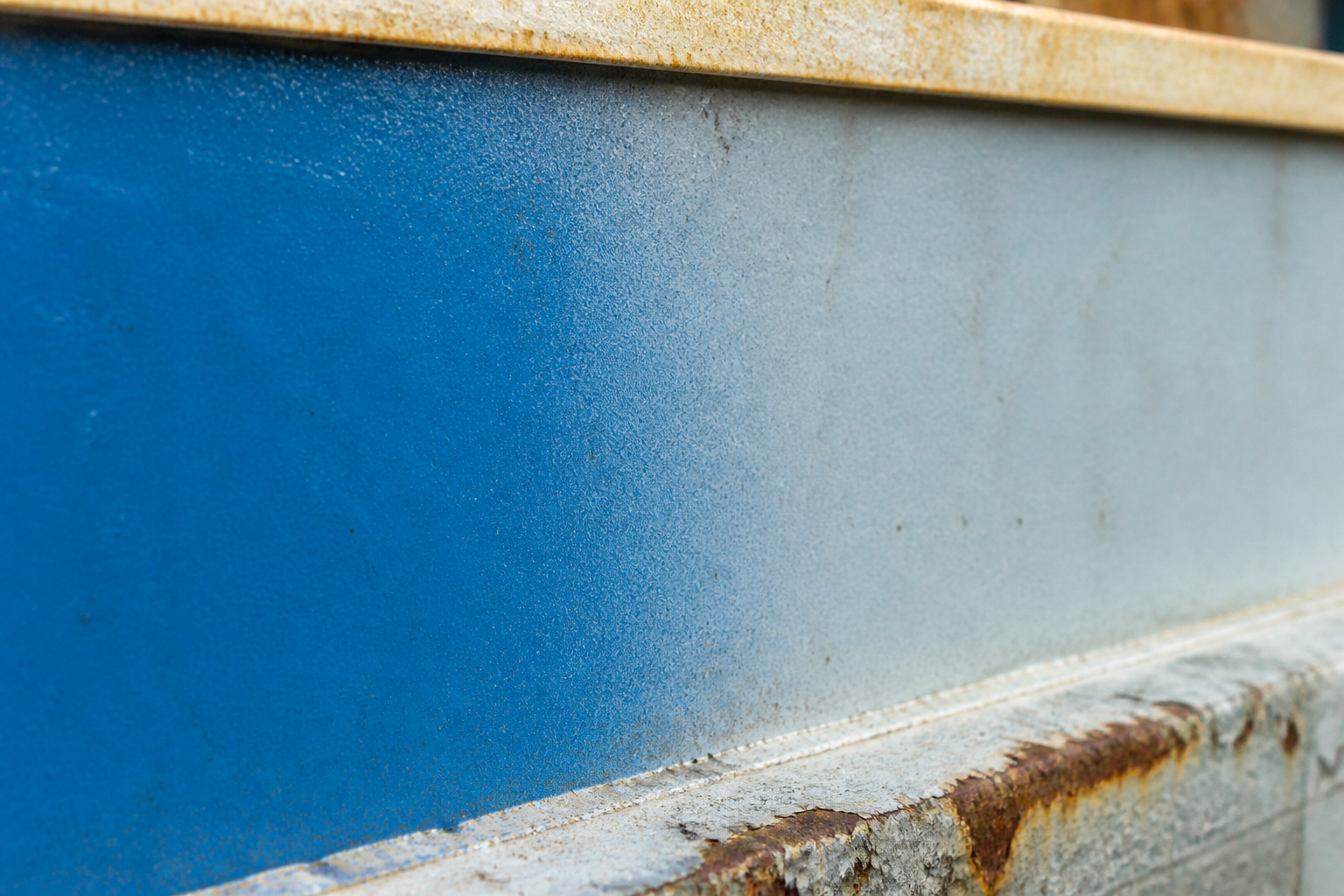
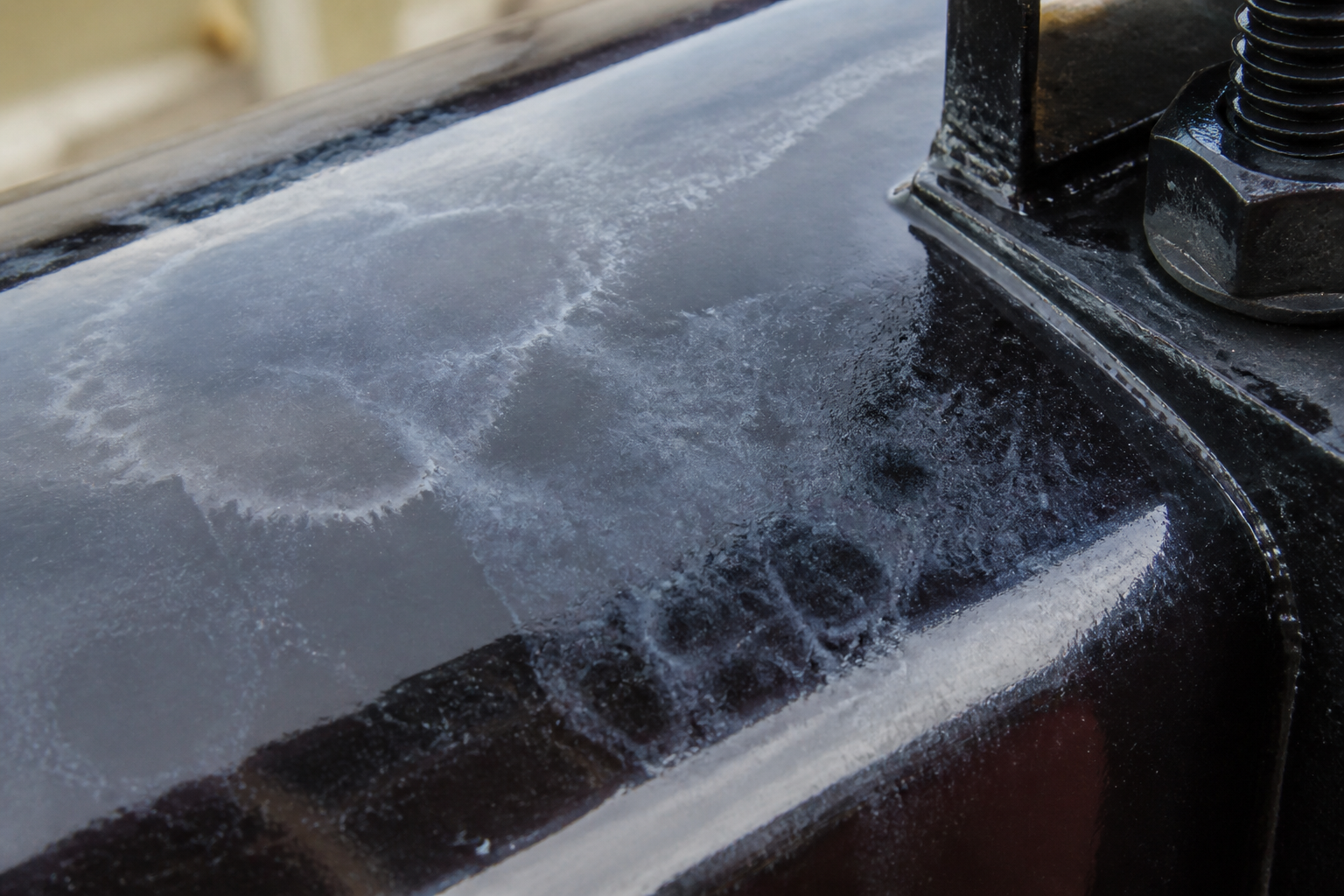
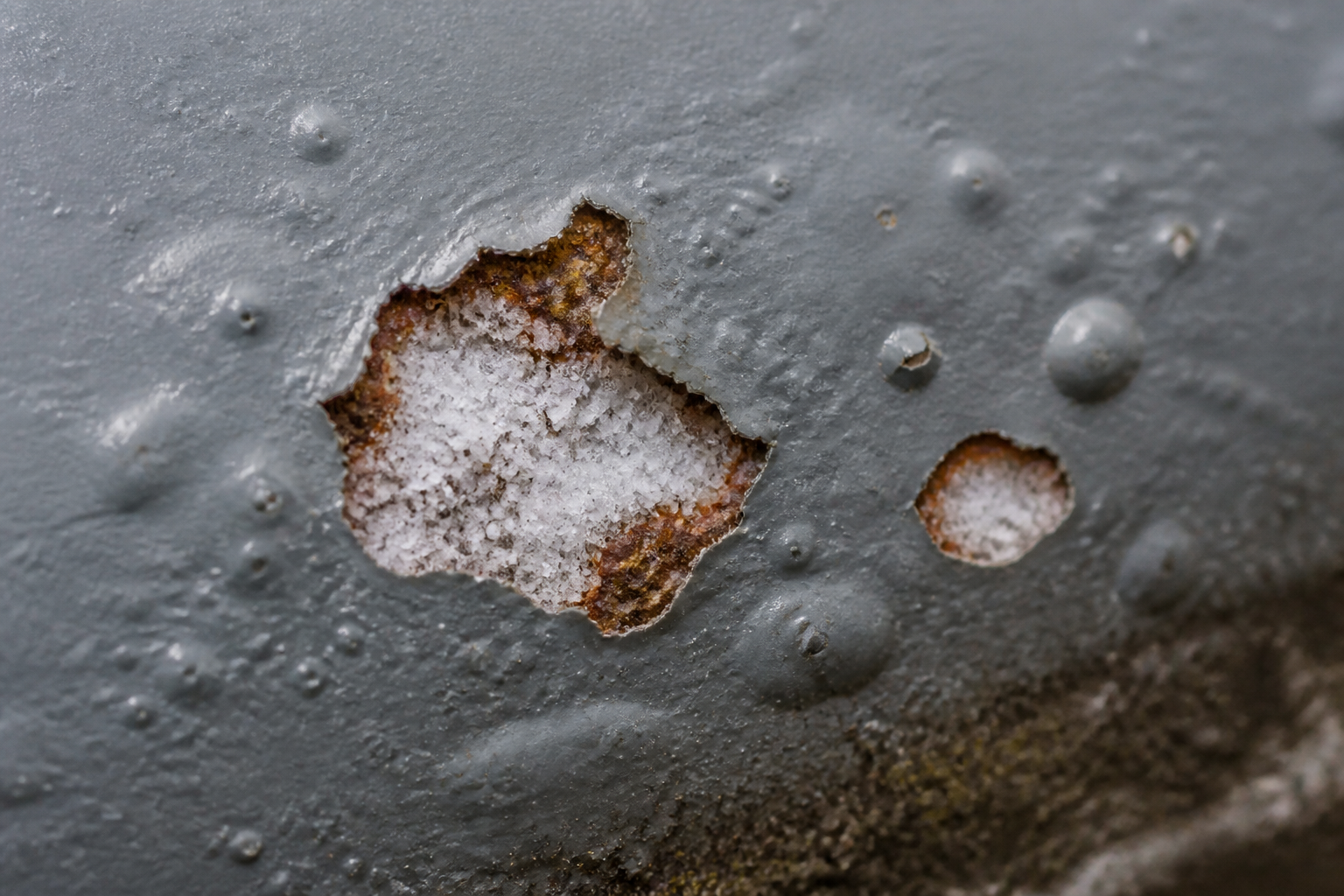
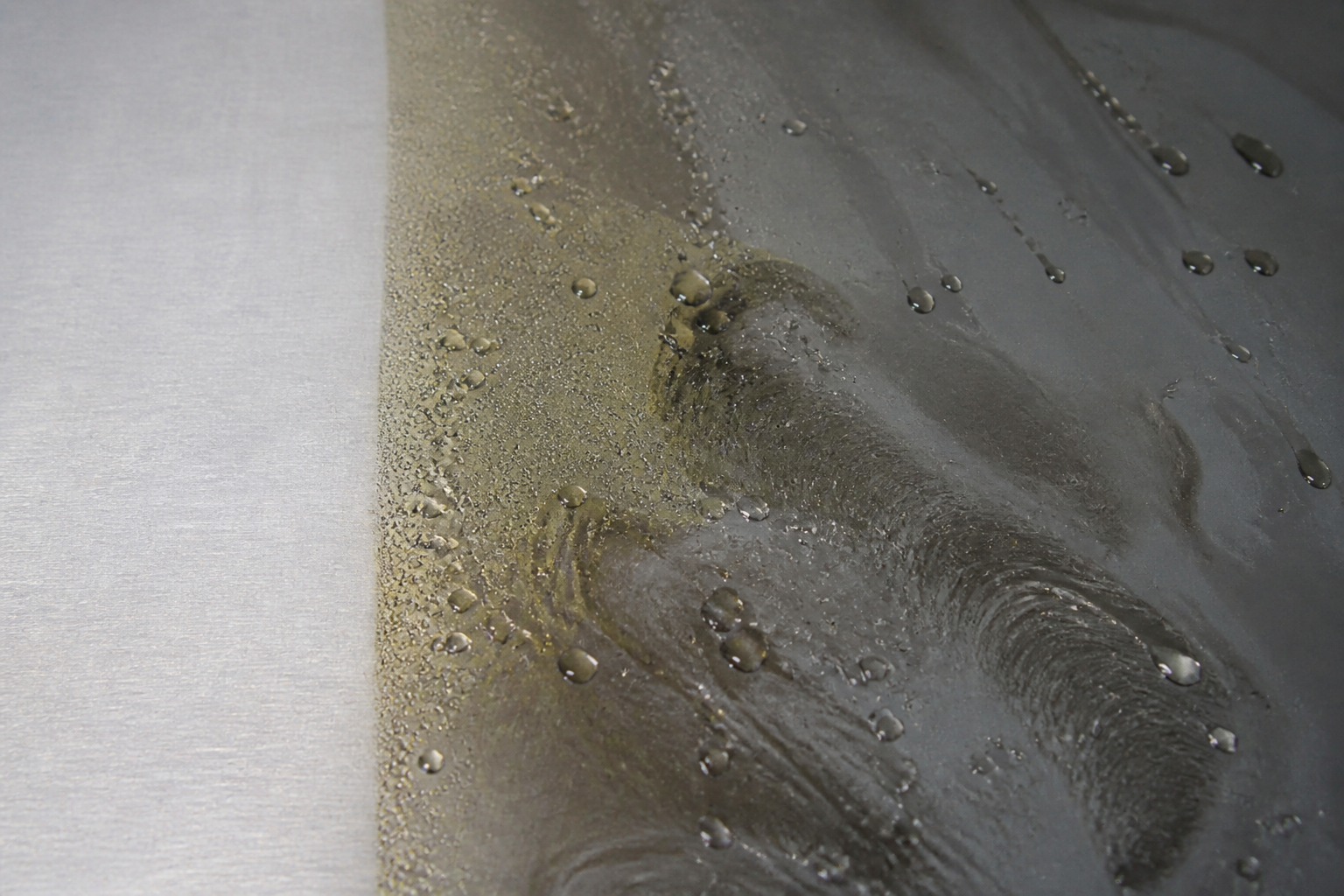
Visual reference disclaimer: The photos are for reference only and cannot be used to determine failure mode or root cause.

Filter by category

50 defects shown

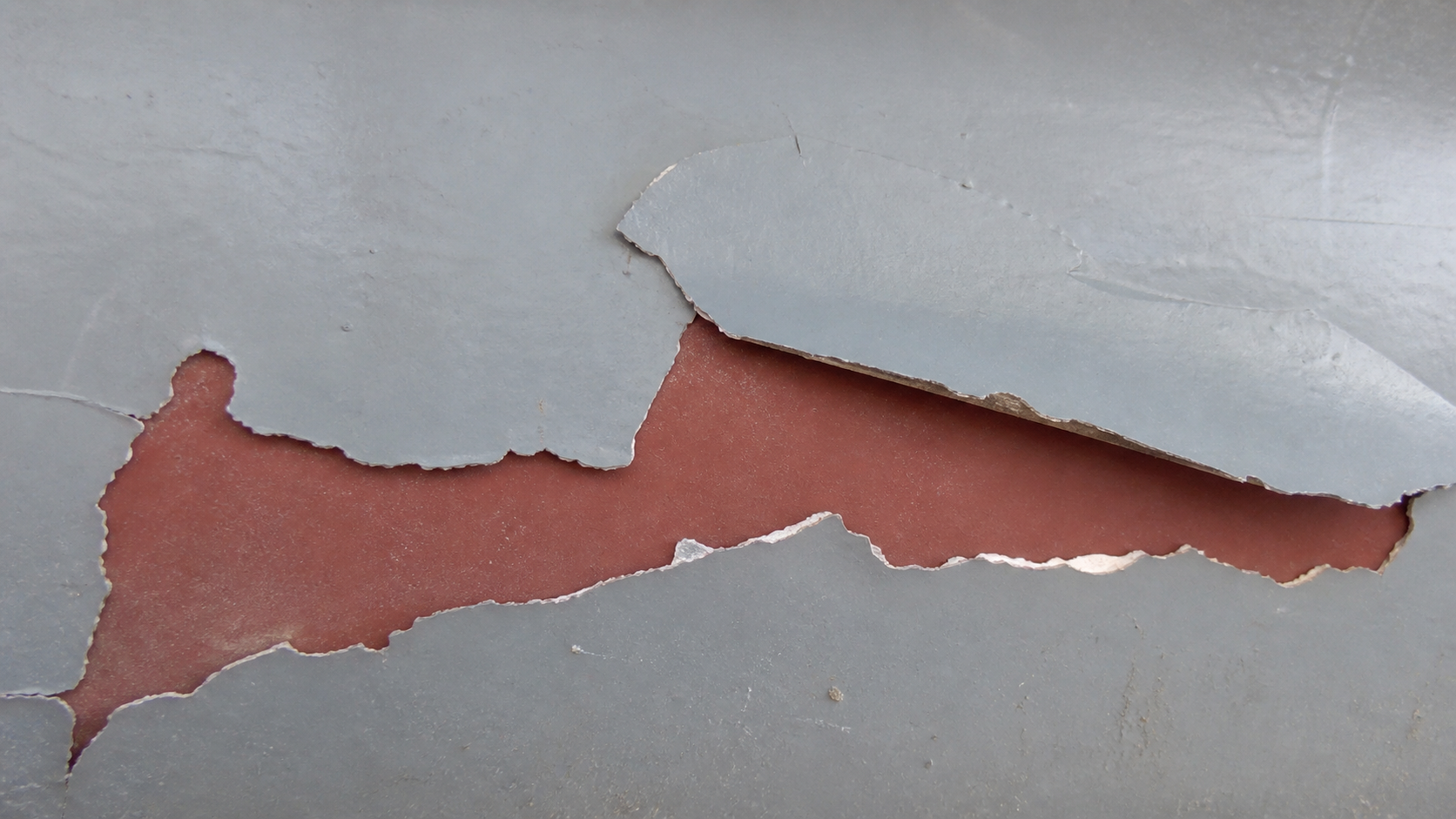
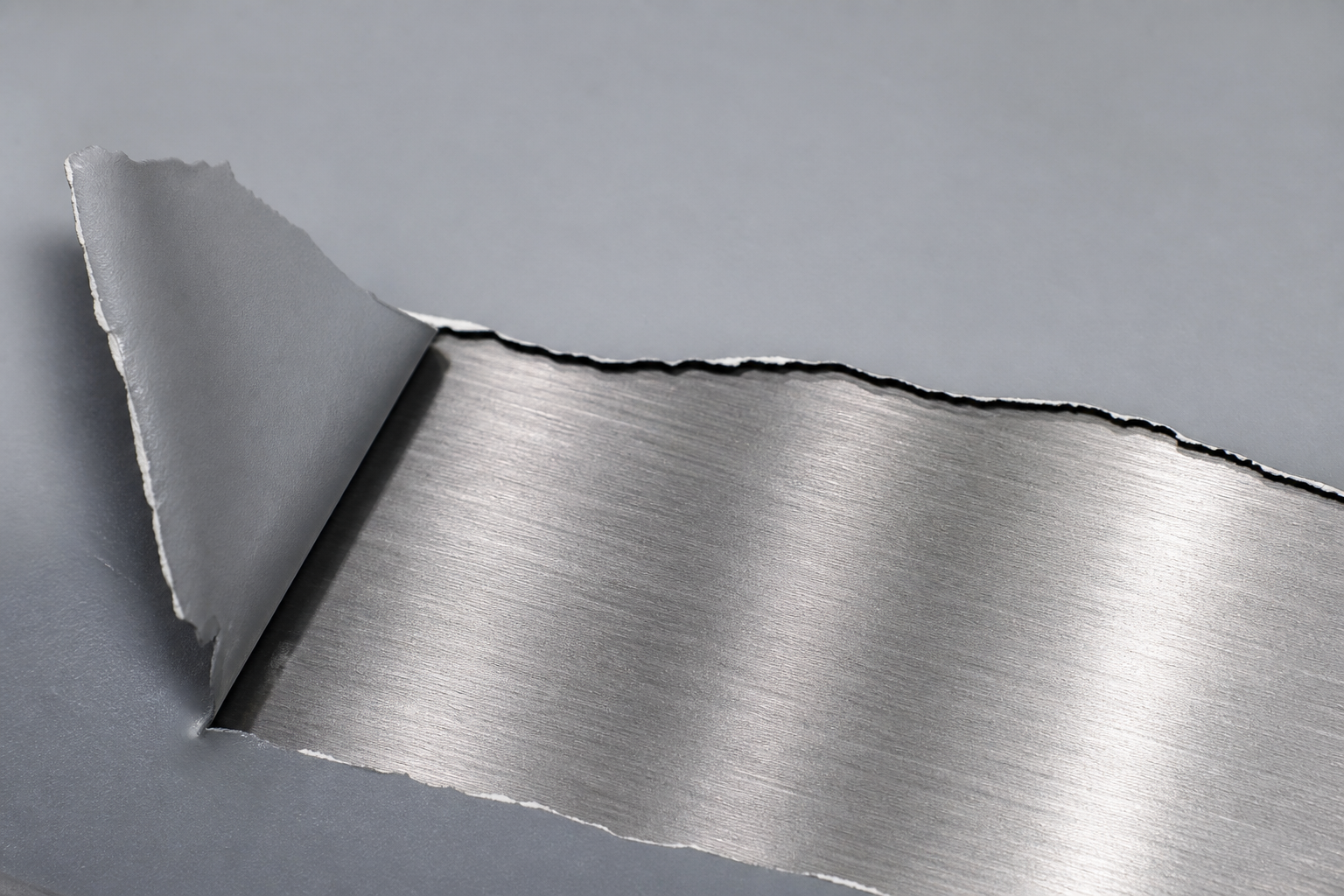
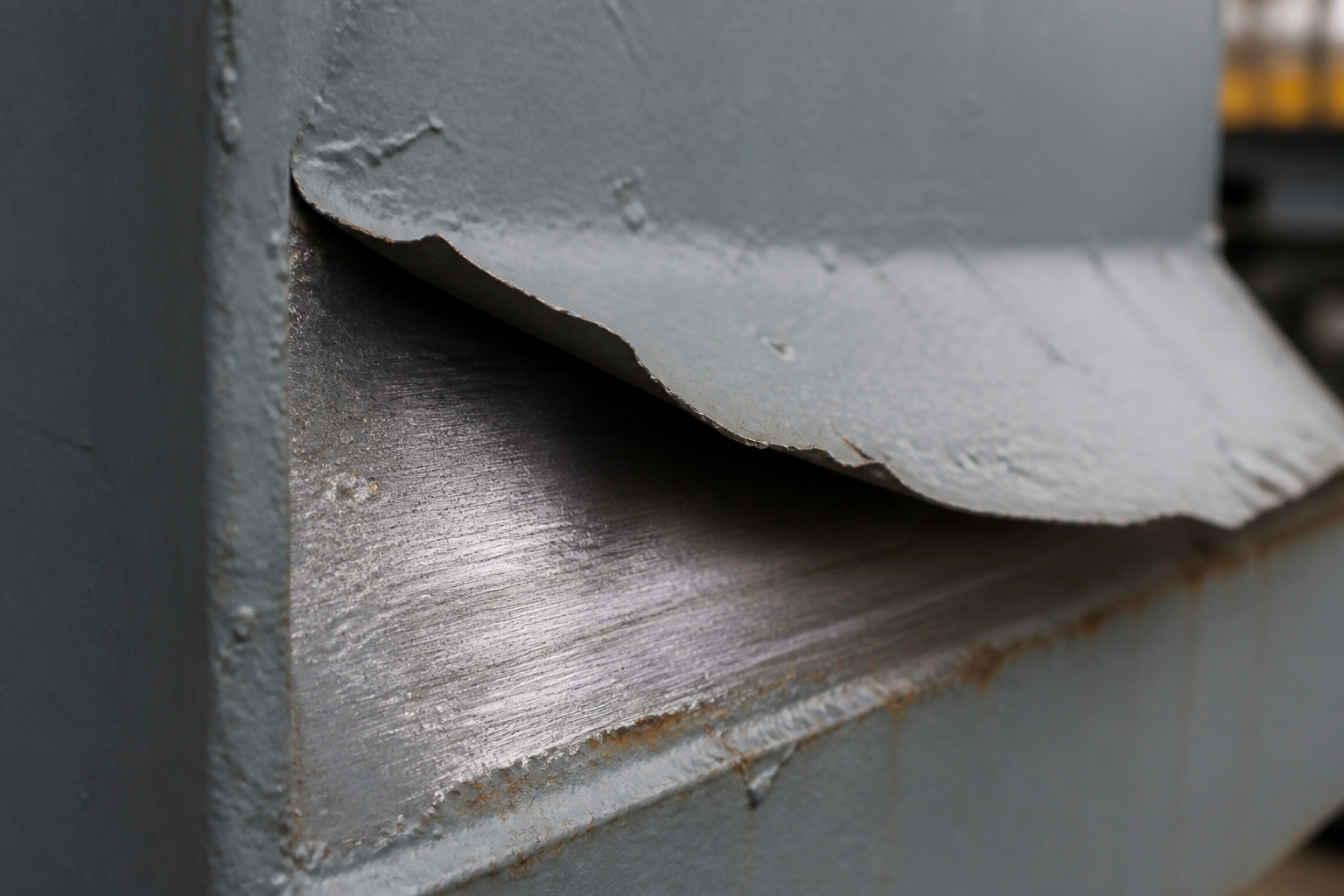
Photorealistic illustrative reference showing adhesion failure on a protective coating system
Reference image only — not for determining failure mode or root cause.

Adhesion

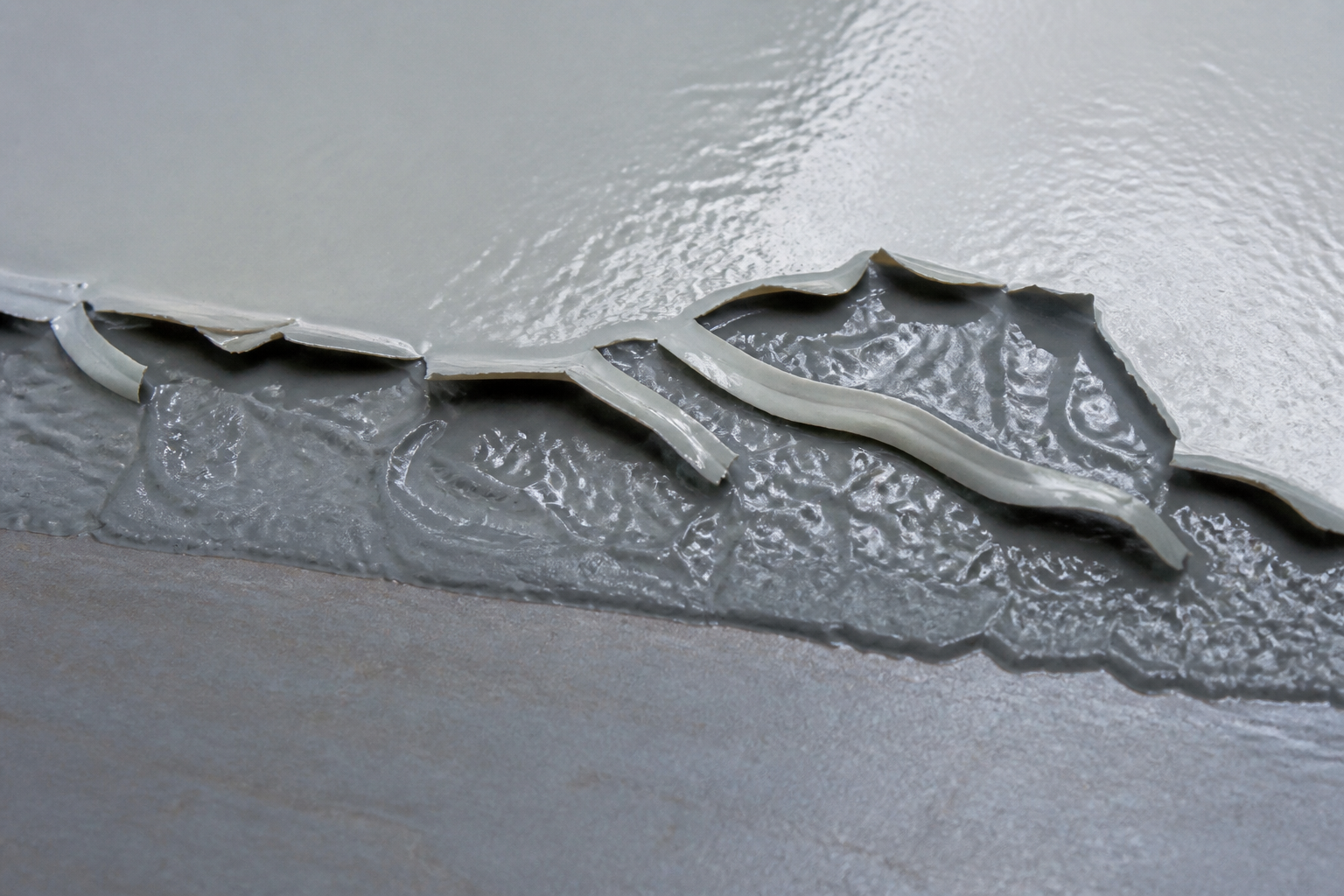
Adhesion Failure

Loss of bond between the coating and substrate or between coating layers.

View Details

Adhesion

Adhesion Failure

Performance-related

What It Looks Like

Peeling, flaking, or sheets of coating separating cleanly at an interface.

Common Causes

Possible causes and contributing factors include:

  • Inadequate surface preparation
  • Surface contamination
  • Exceeded recoat interval
  • Incompatible coating layers
  • Moisture at the interface

Inspection Considerations

  • Photograph the defect and record its location, extent, and distribution before destructive examination.
  • Review the coating system, application history, environmental records, and surrounding film thickness.
  • Confirm substrate and intercoat condition through inspection and testing where required.

Typical Remediation

Remove affected coating to a sound, well-adhered boundary. Confirm and correct the contributing condition before preparing the surface and rebuilding the specified coating system.

Prevention

Follow the approved specification, product Technical Data Sheet, environmental limits, preparation requirements, and inspection plan.

Related Terms

adhesive failure · peeling · delamination
Often Confused With

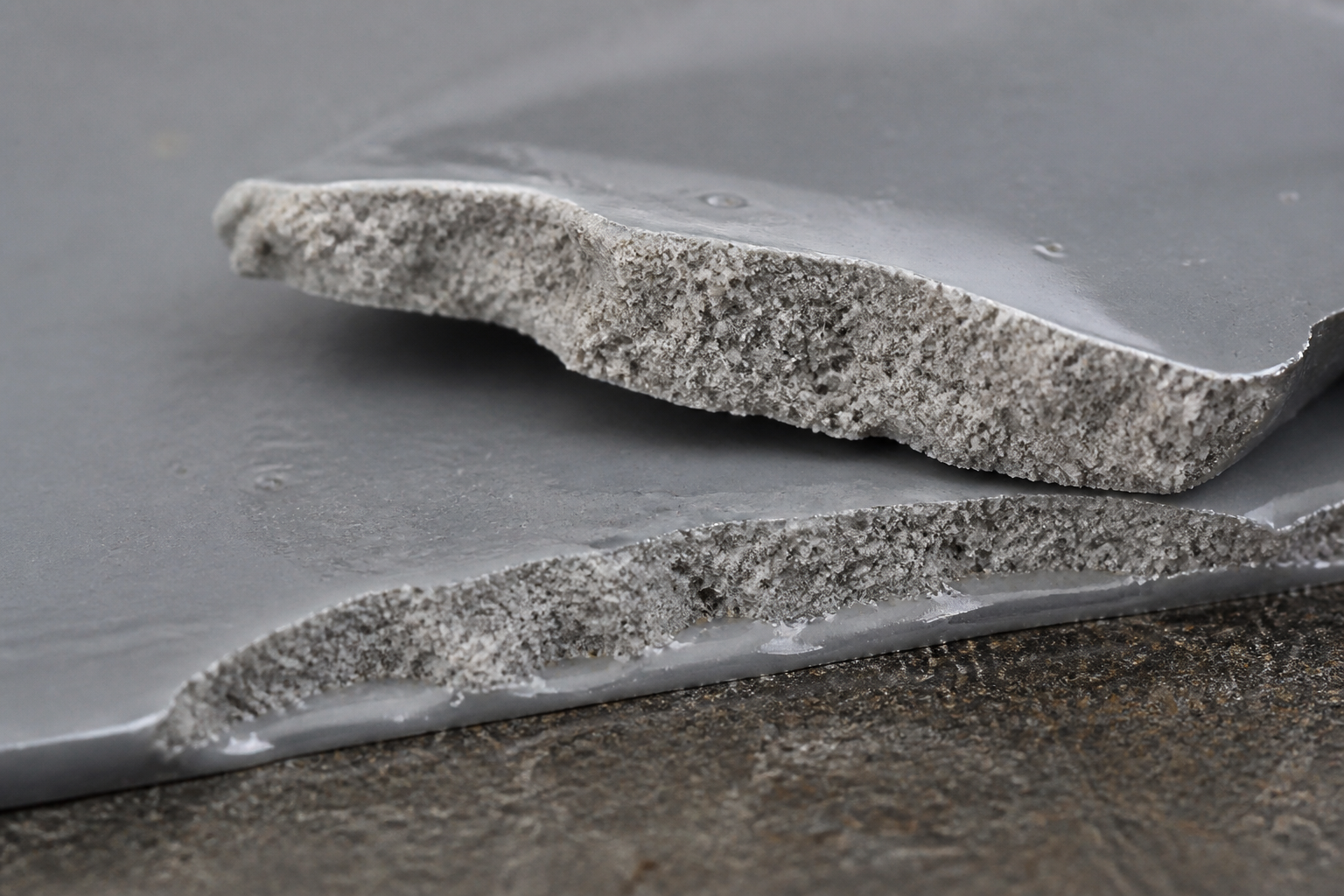
Photorealistic illustrative reference showing cohesive failure on a protective coating system
Reference image only — not for determining failure mode or root cause.

Adhesion

Cohesive Failure

Fracture occurs within a coating layer rather than at an interface.

View Details

Adhesion

Cohesive Failure

Performance-related

What It Looks Like

A split through the coating film with coating material remaining on both separated surfaces.

Common Causes

Possible causes and contributing factors include:

  • Low cohesive strength
  • Incorrect mixing or cure
  • Internal stress
  • Excessive film build
  • Aged or degraded coating

Inspection Considerations

  • Photograph the defect and record its location, extent, and distribution before destructive examination.
  • Review the coating system, application history, environmental records, and surrounding film thickness.
  • Confirm substrate and intercoat condition through inspection and testing where required.

Typical Remediation

Remove affected coating to a sound, well-adhered boundary. Confirm and correct the contributing condition before preparing the surface and rebuilding the specified coating system.

Prevention

Follow the approved specification, product Technical Data Sheet, environmental limits, preparation requirements, and inspection plan.

Related Terms

cohesive fracture · film rupture

Often Confused With

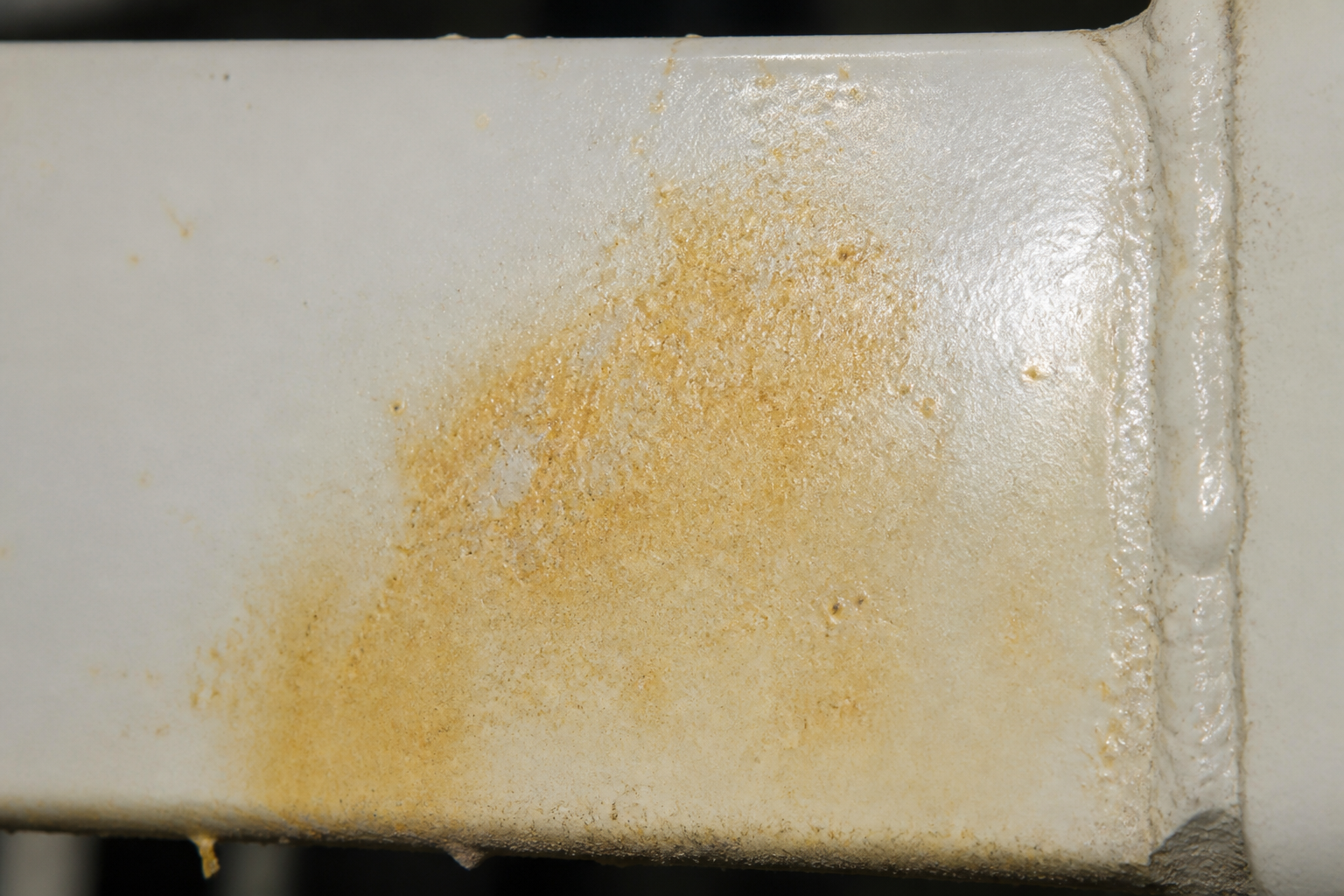
Photorealistic illustrative reference showing intercoat delamination on a protective coating system
Reference image only — not for determining failure mode or root cause.

Adhesion

Intercoat Delamination
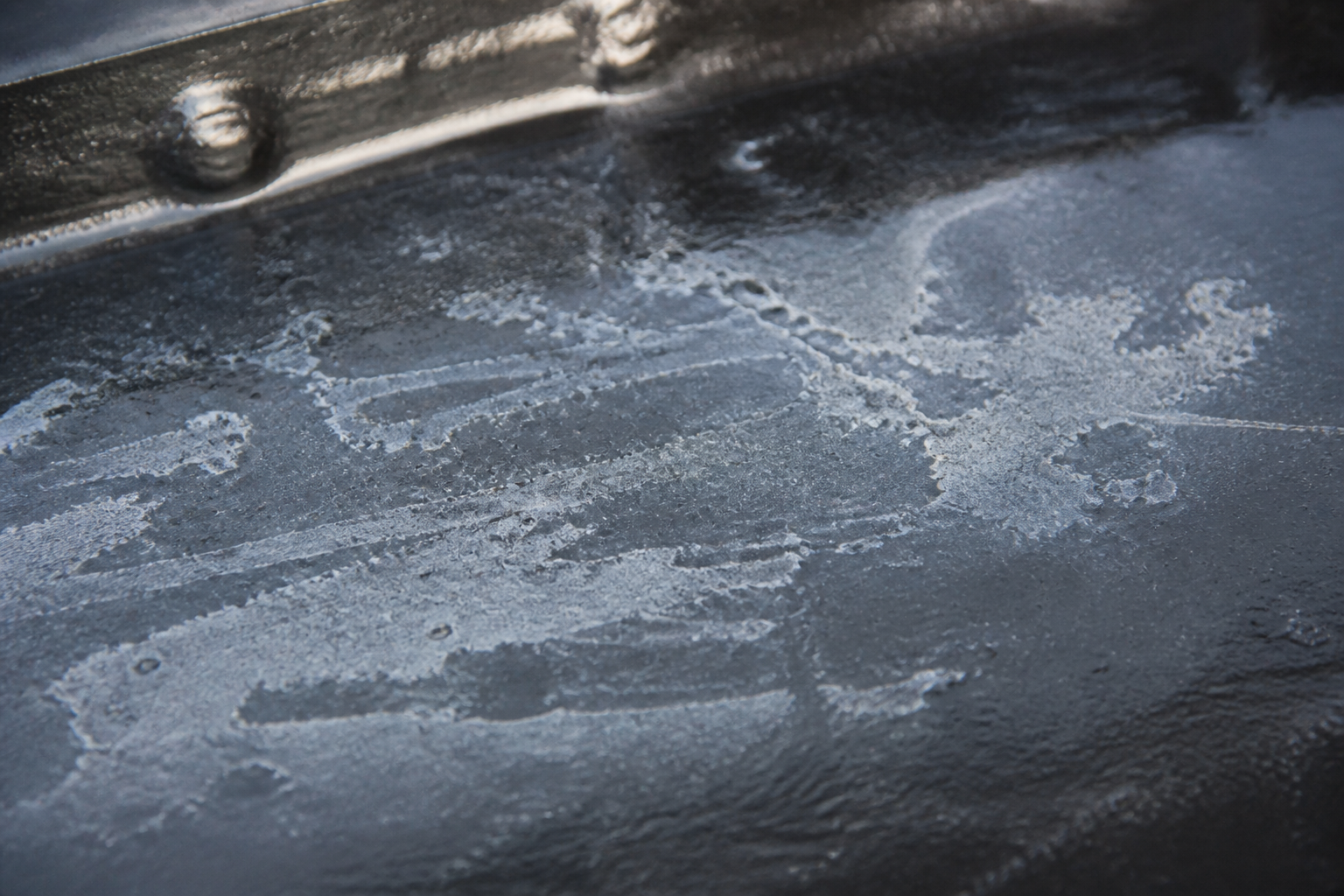
Separation between successive coats in a multi-coat system.

View Details

Adhesion

Intercoat Delamination
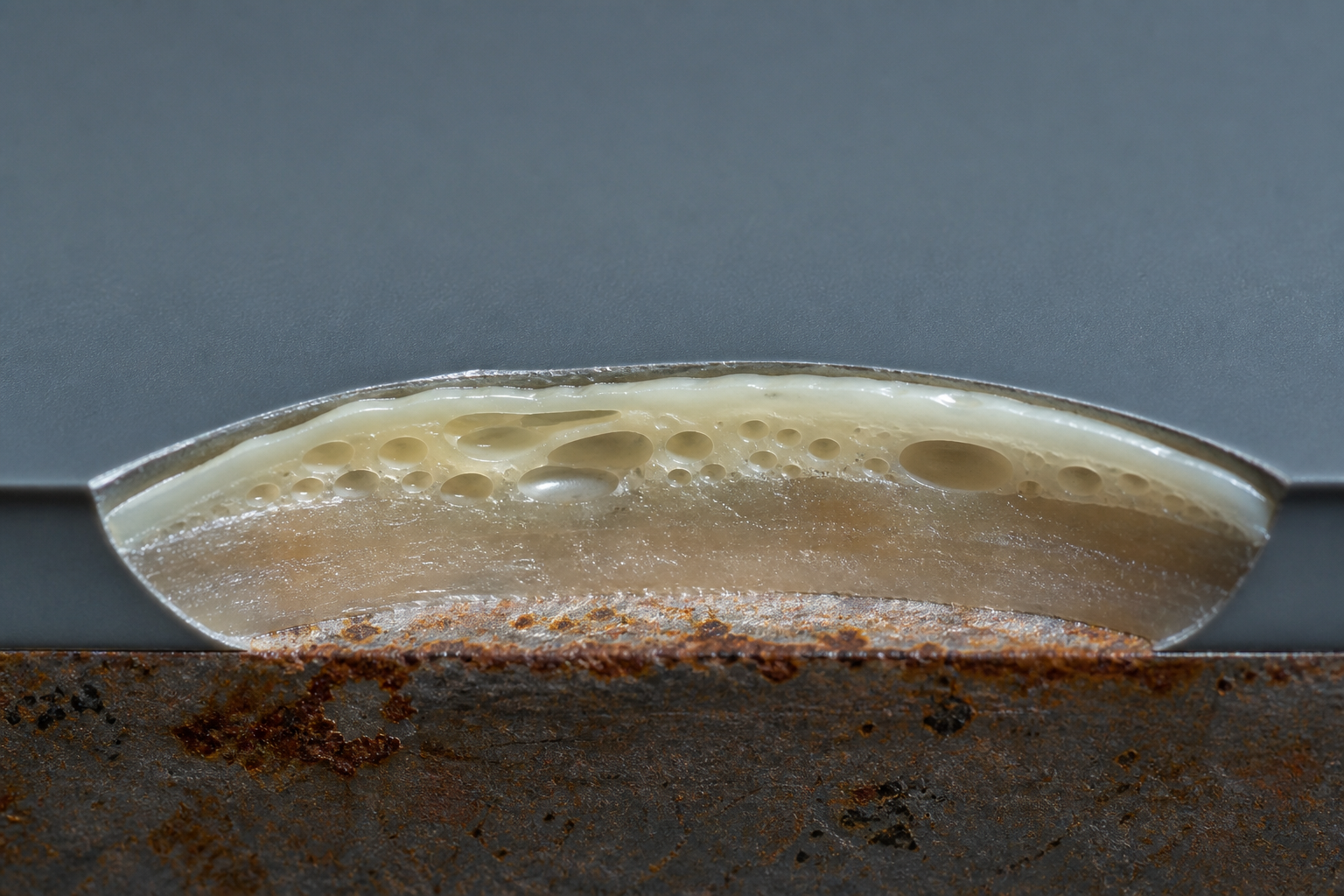
Potential corrosion risk

What It Looks Like

One coating layer lifts or peels from the coat beneath while the lower layer remains attached.

Common Causes

Possible causes and contributing factors include:

  • Exceeded recoat window
  • Amine blush or contamination
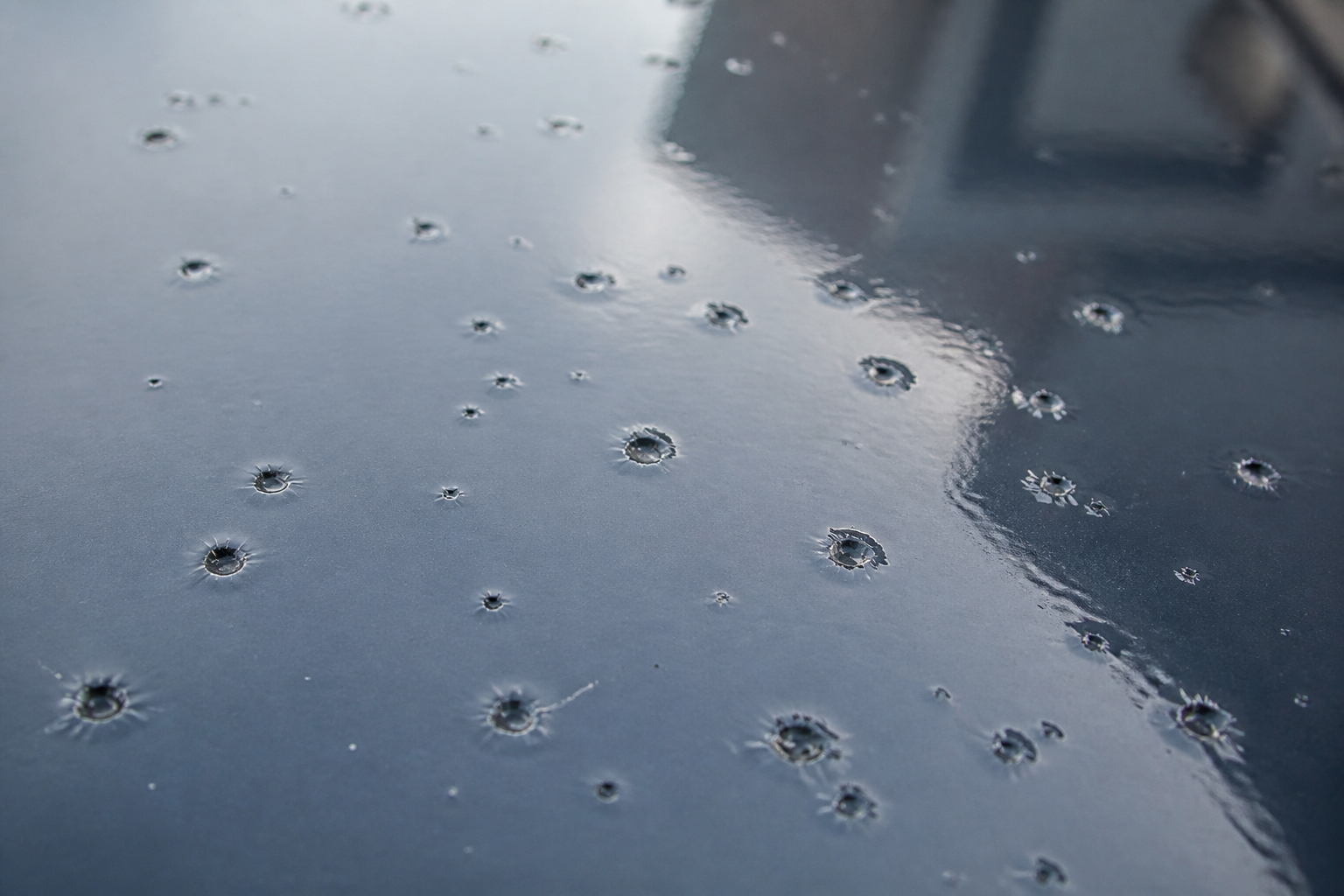
  • Glossy or inadequately abraded surface
  • Incompatible coats
  • Condensation between coats

Inspection Considerations

  • Photograph the defect and record its location, extent, and distribution before destructive examination.
  • Review the coating system, application history, environmental records, and surrounding film thickness.
  • Confirm substrate and intercoat condition through inspection and testing where required.

Typical Remediation

Remove affected coating to a sound, well-adhered boundary. Confirm and correct the contributing condition before preparing the surface and rebuilding the specified coating system.

Prevention

Follow the approved specification, product Technical Data Sheet, environmental limits, preparation requirements, and inspection plan.

Related Terms

intercoat adhesion · peeling

Often Confused With

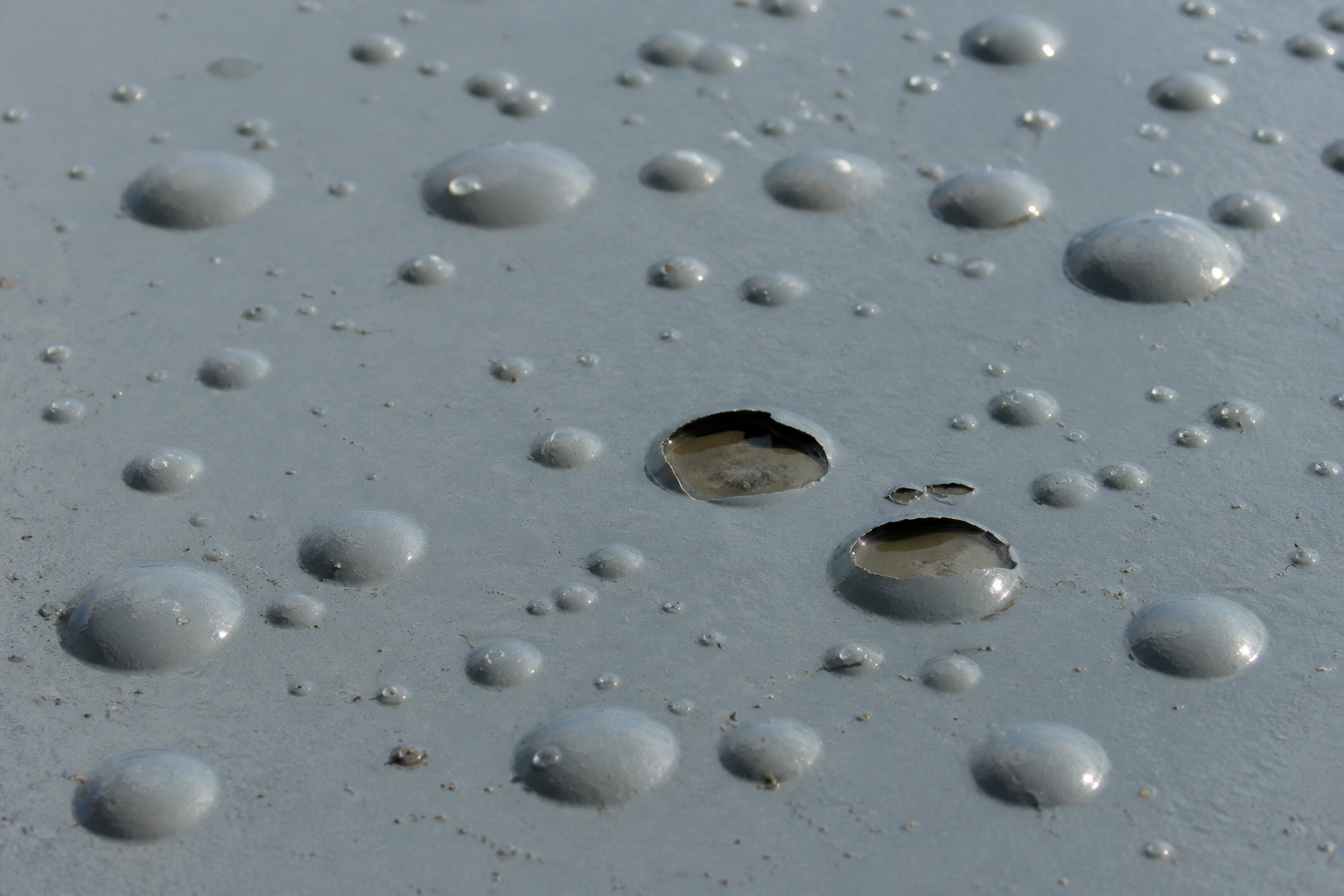
Photorealistic illustrative reference showing blistering on a protective coating system
Reference image only — not for determining failure mode or root cause.

Film Formation

Blistering

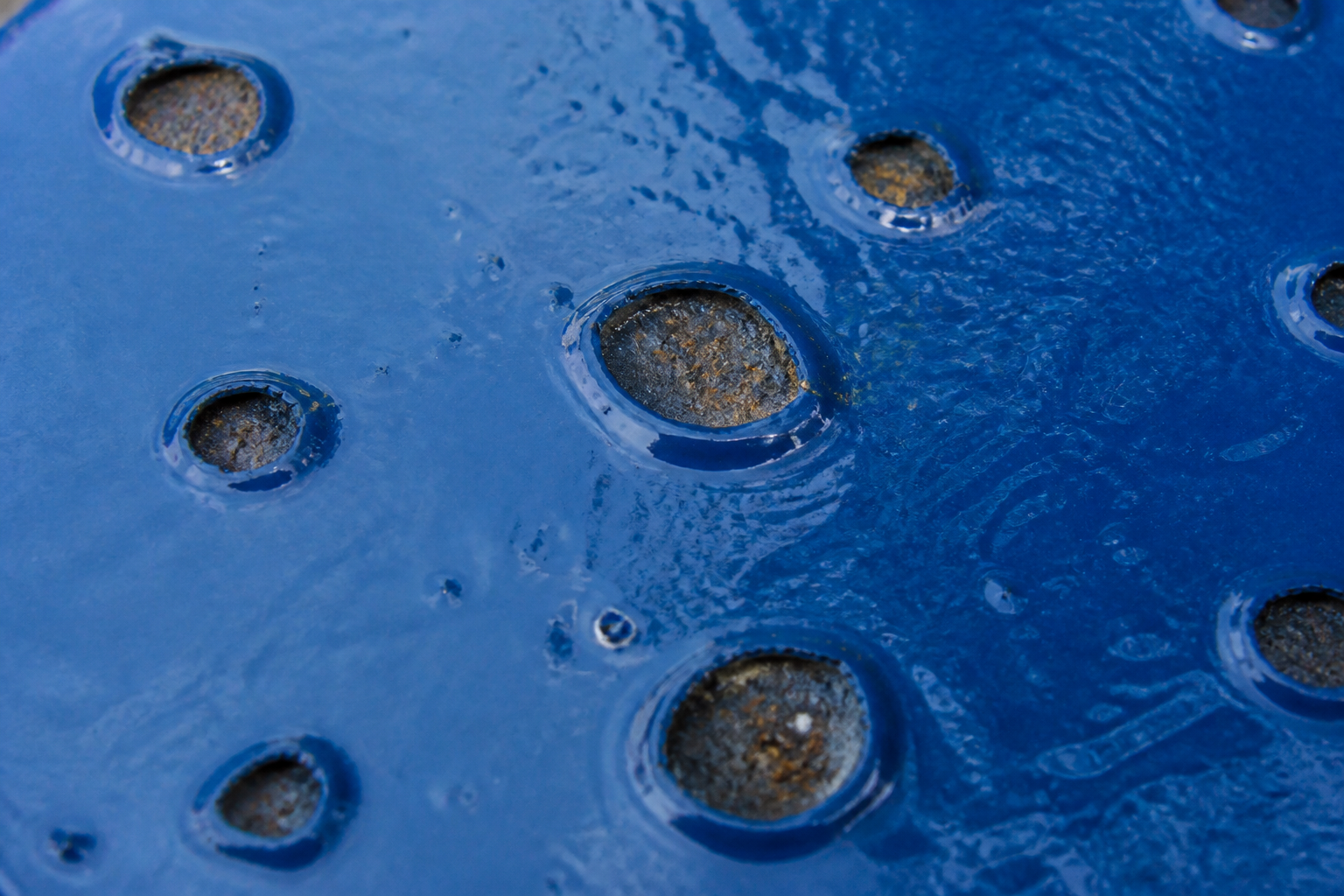
Raised dome-shaped areas caused by localized separation within or beneath the coating.

View Details

Film Formation

Blistering

Potential corrosion risk

What It Looks Like

Discrete rounded swellings that may contain liquid, gas, corrosion products, or remain dry.

Common Causes

Possible causes and contributing factors include:

  • Moisture
  • Soluble contamination
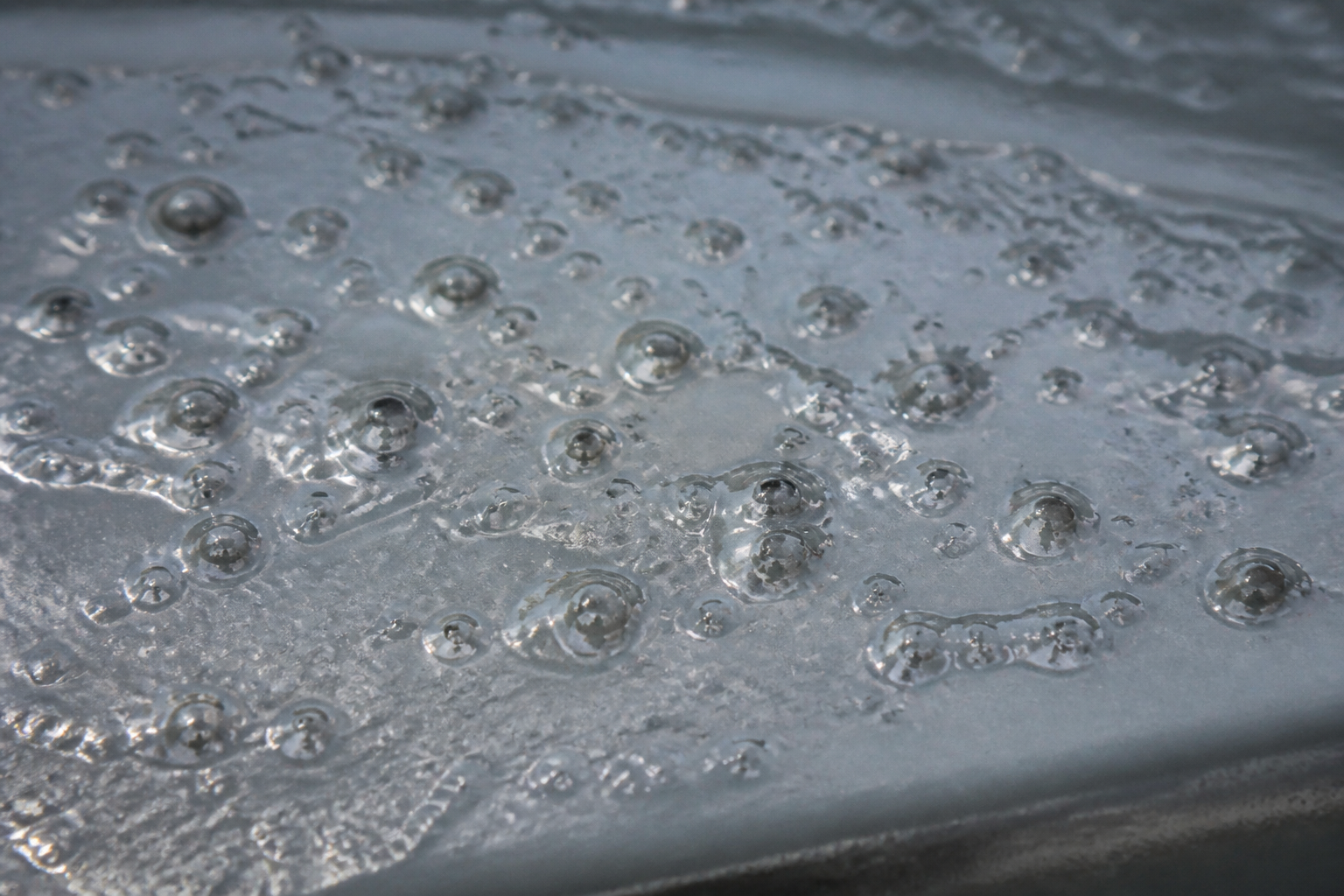
  • Osmotic pressure
  • Solvent entrapment
  • Loss of adhesion

Inspection Considerations

  • Photograph the defect and record its location, extent, and distribution before destructive examination.
  • Review the coating system, application history, environmental records, and surrounding film thickness.
  • Confirm substrate and intercoat condition through inspection and testing where required.

Typical Remediation

Remove affected coating to a sound, well-adhered boundary. Confirm and correct the contributing condition before preparing the surface and rebuilding the specified coating system.

Prevention

Follow the approved specification, product Technical Data Sheet, environmental limits, preparation requirements, and inspection plan.

Related Terms

bubbles · blisters

Often Confused With

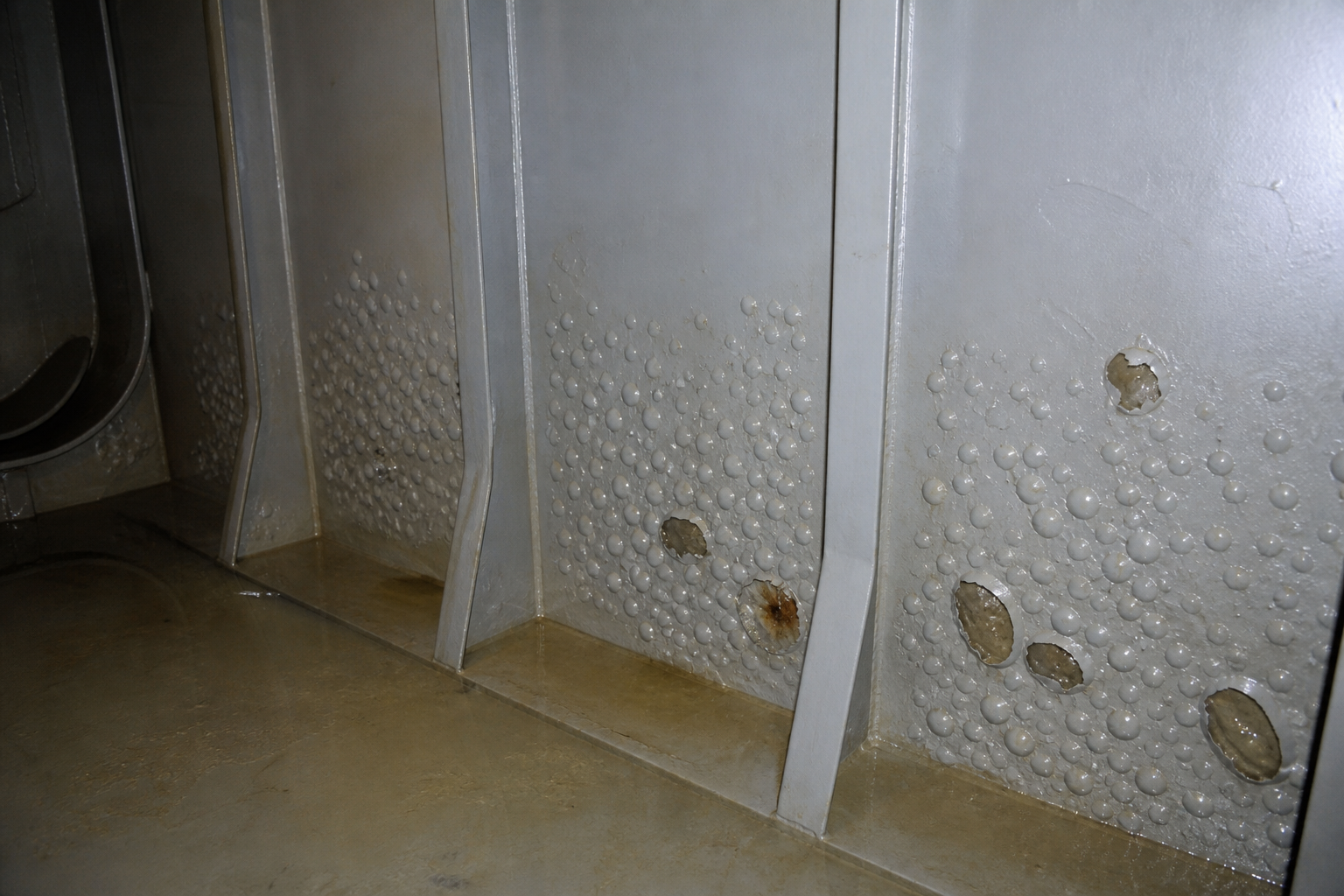
Photorealistic illustrative reference showing osmotic blistering on a protective coating system
Reference image only — not for determining failure mode or root cause.

Environmental Exposure

Osmotic Blistering

Blistering associated with moisture movement toward soluble material beneath a coating.

View Details

Environmental Exposure

Osmotic Blistering

Potential corrosion risk

What It Looks Like

Often numerous fluid-filled blisters in immersed or persistently wet service.

Common Causes

Possible causes and contributing factors include:

  • Soluble salts beneath coating
  • Water permeation
  • Contaminated substrate or abrasive
  • Entrapped water-soluble material

Inspection Considerations

  • Photograph the defect and record its location, extent, and distribution before destructive examination.
  • Review the coating system, application history, environmental records, and surrounding film thickness.
  • Confirm substrate and intercoat condition through inspection and testing where required.

Typical Remediation

Remove affected coating to a sound, well-adhered boundary. Confirm and correct the contributing condition before preparing the surface and rebuilding the specified coating system.

Prevention

Follow the approved specification, product Technical Data Sheet, environmental limits, preparation requirements, and inspection plan.

Related Terms

osmosis · immersed-service blistering

Often Confused With

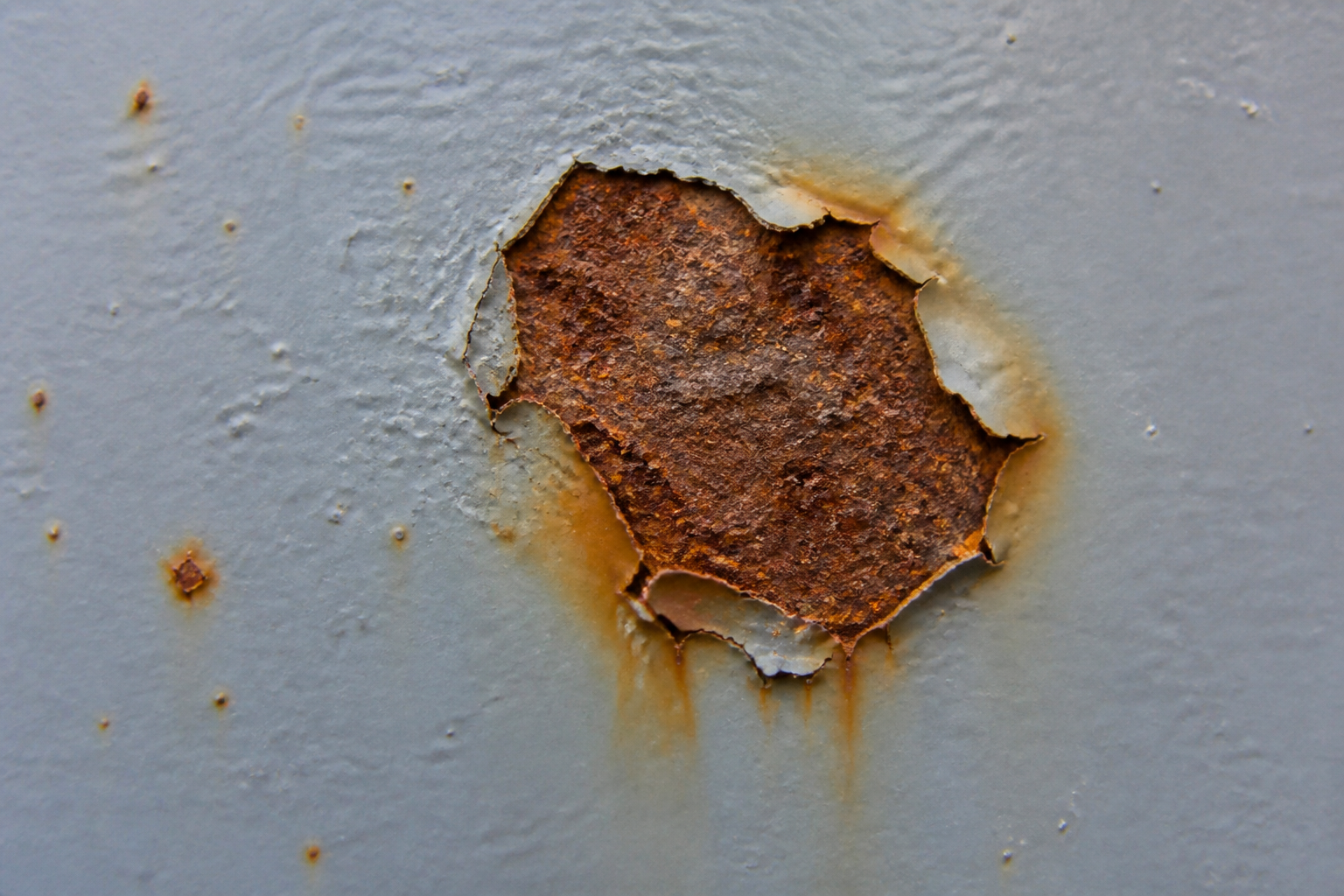
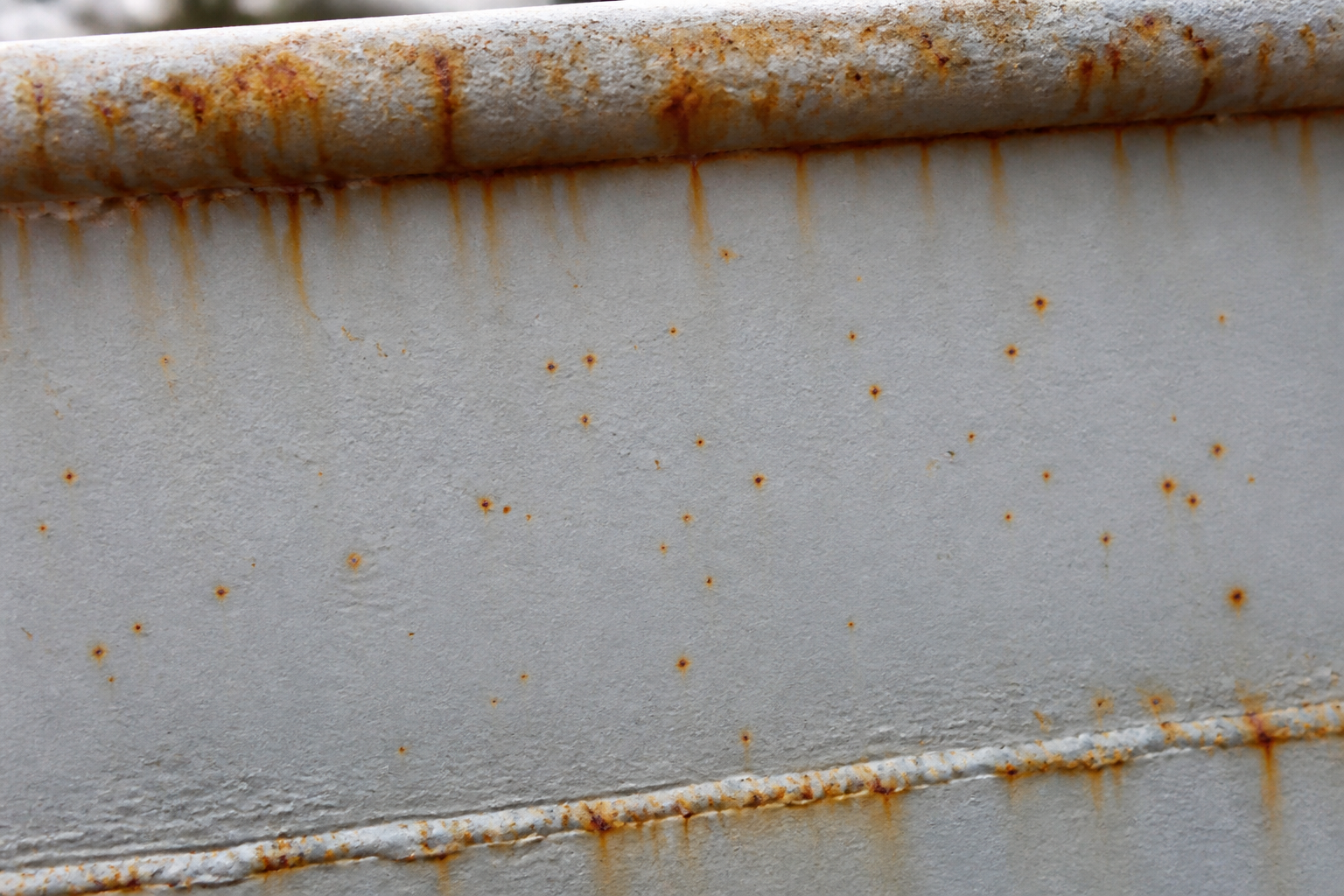
Photorealistic illustrative reference showing general corrosion on a protective coating system
Reference image only — not for determining failure mode or root cause.

Corrosion

General Corrosion

Visible corrosion products emerging through or replacing the coating film.

View Details

Corrosion

General Corrosion

Potential corrosion risk

What It Looks Like

Localized or general red-brown rust staining, spots, or exposed corroding steel.

Common Causes

Possible causes and contributing factors include:

  • Coating breakdown
  • Insufficient barrier thickness
  • Holidays
  • Mechanical damage
  • Aggressive exposure

Inspection Considerations

  • Photograph the defect and record its location, extent, and distribution before destructive examination.
  • Review the coating system, application history, environmental records, and surrounding film thickness.
  • Confirm substrate and intercoat condition through inspection and testing where required.

Typical Remediation

Remove affected coating to a sound, well-adhered boundary. Confirm and correct the contributing condition before preparing the surface and rebuilding the specified coating system.

Prevention

Follow the approved specification, product Technical Data Sheet, environmental limits, preparation requirements, and inspection plan.

Related Terms

rust breakthrough · corrosion · general corrosion

Often Confused With

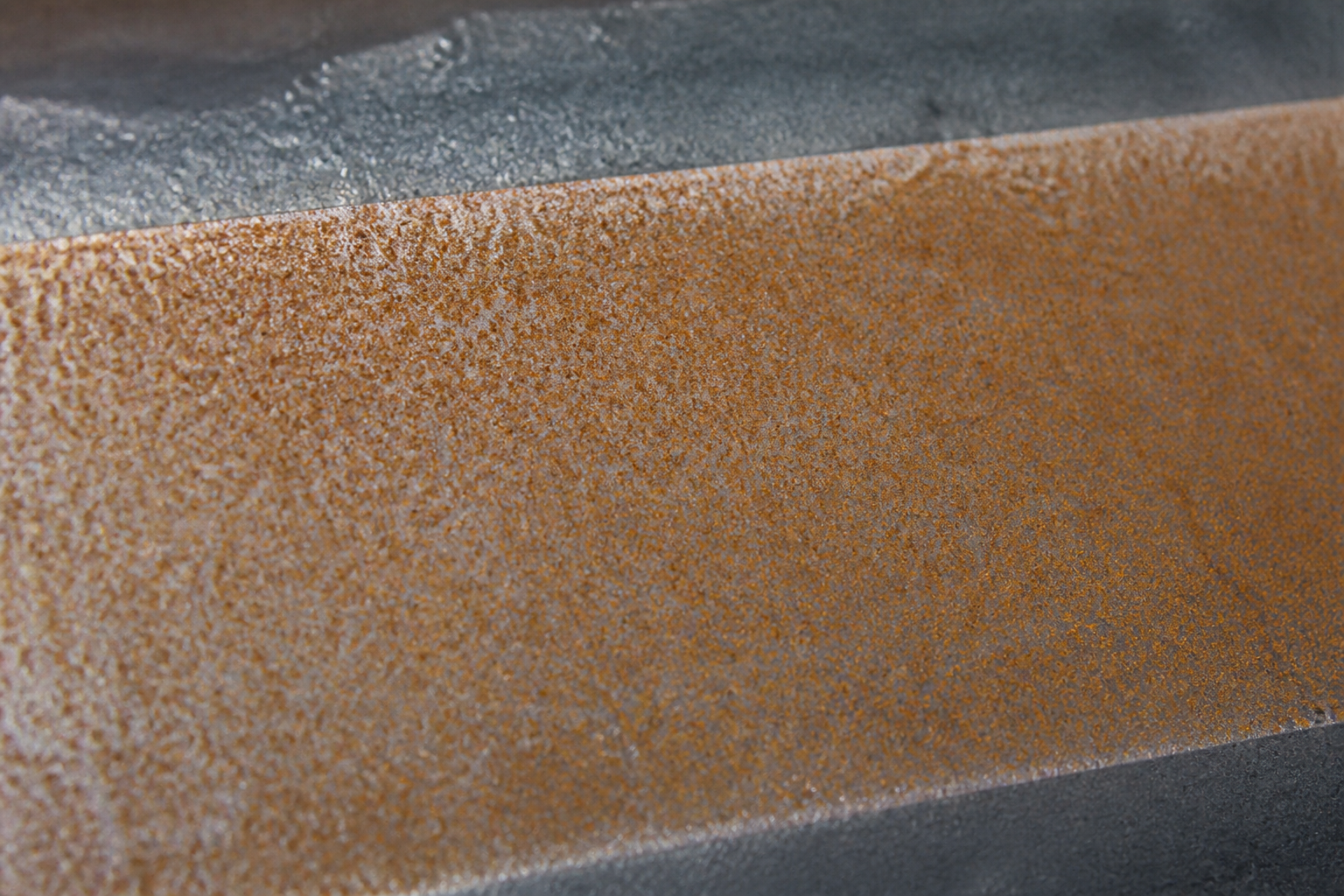
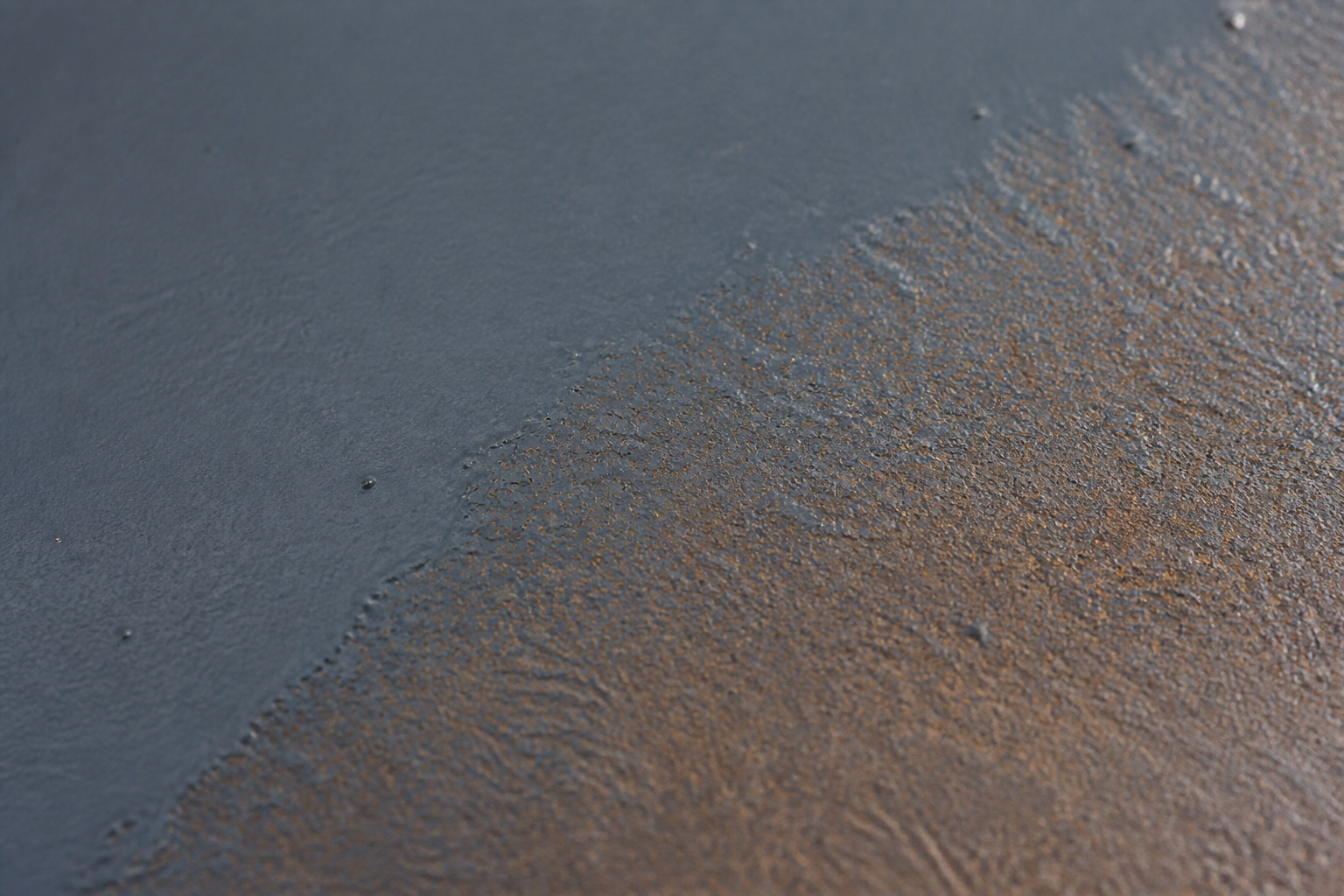
Photorealistic illustrative reference showing flash rusting on a protective coating system
Reference image only — not for determining failure mode or root cause.

Corrosion

Flash Rusting

Rapid light rust formation on freshly prepared steel exposed to moisture.

View Details

Corrosion

Flash Rusting

Requires further investigation

What It Looks Like

Fine yellow, orange, or brown discoloration developing soon after wet cleaning or preparation.

Common Causes

Possible causes and contributing factors include:

  • High humidity
  • Residual water
  • Delayed coating application
  • Contaminated rinse water
  • Insufficient ventilation

Inspection Considerations

  • Photograph the defect and record its location, extent, and distribution before destructive examination.
  • Review the coating system, application history, environmental records, and surrounding film thickness.
  • Confirm substrate and intercoat condition through inspection and testing where required.

Typical Remediation

Remove affected coating to a sound, well-adhered boundary. Confirm and correct the contributing condition before preparing the surface and rebuilding the specified coating system.

Prevention

Follow the approved specification, product Technical Data Sheet, environmental limits, preparation requirements, and inspection plan.

Related Terms

flash rust · gingering

Often Confused With

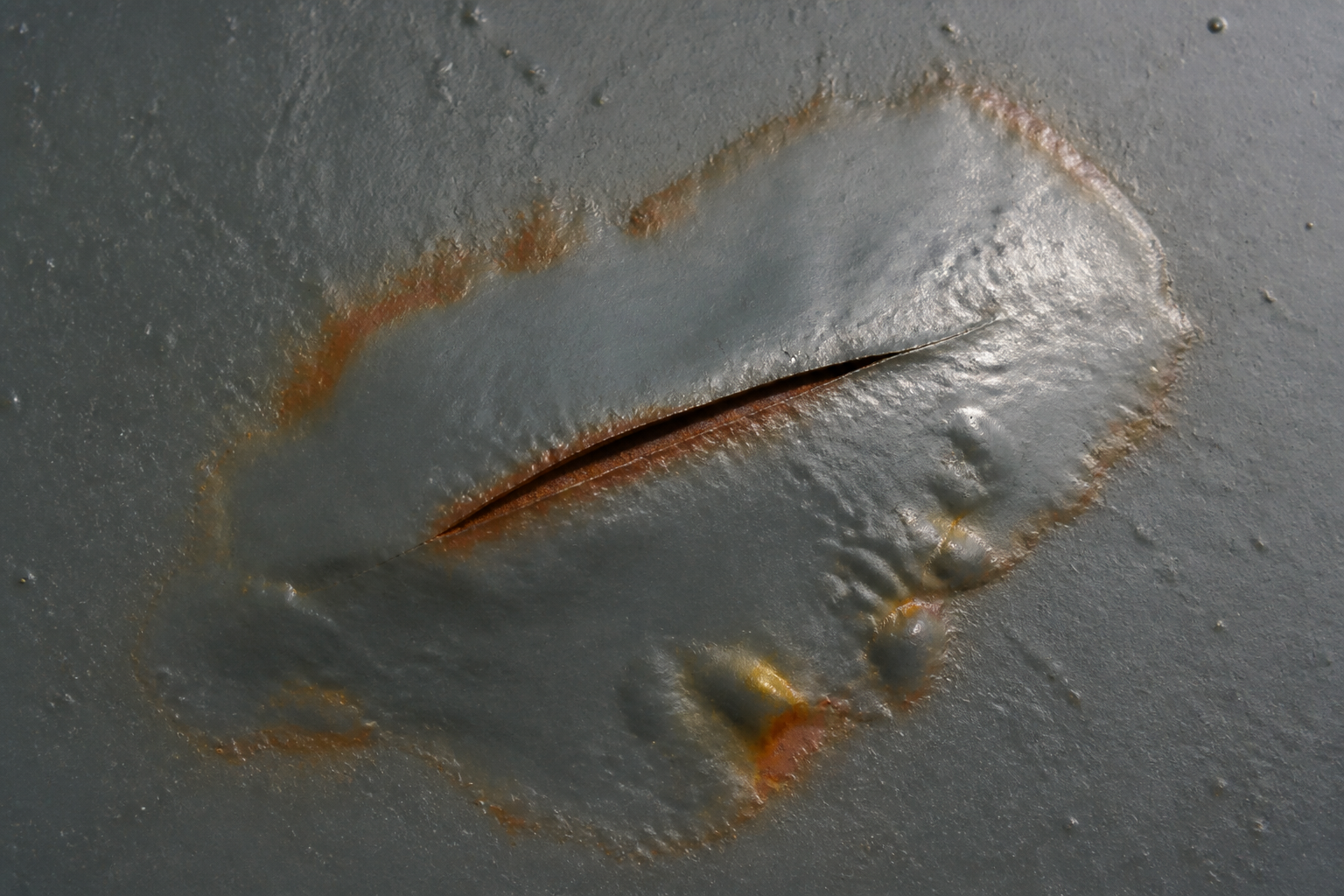
Photorealistic illustrative reference showing underfilm corrosion on a protective coating system
Reference image only — not for determining failure mode or root cause.

Corrosion

Underfilm Corrosion

Corrosion progressing beneath an apparently intact or partially detached coating.

View Details

Corrosion

Underfilm Corrosion

Potential corrosion risk

What It Looks Like

Rust staining, swelling, lifting, or creep extending from damage, edges, or discontinuities.

Common Causes

Possible causes and contributing factors include:

  • Coating discontinuity
  • Poor adhesion
  • Soluble salts
  • Moisture ingress
  • Damage exposing substrate

Inspection Considerations

  • Photograph the defect and record its location, extent, and distribution before destructive examination.
  • Review the coating system, application history, environmental records, and surrounding film thickness.
  • Confirm substrate and intercoat condition through inspection and testing where required.

Typical Remediation

Remove affected coating to a sound, well-adhered boundary. Confirm and correct the contributing condition before preparing the surface and rebuilding the specified coating system.

Prevention

Follow the approved specification, product Technical Data Sheet, environmental limits, preparation requirements, and inspection plan.

Related Terms

corrosion creep · underfilm rusting

Often Confused With

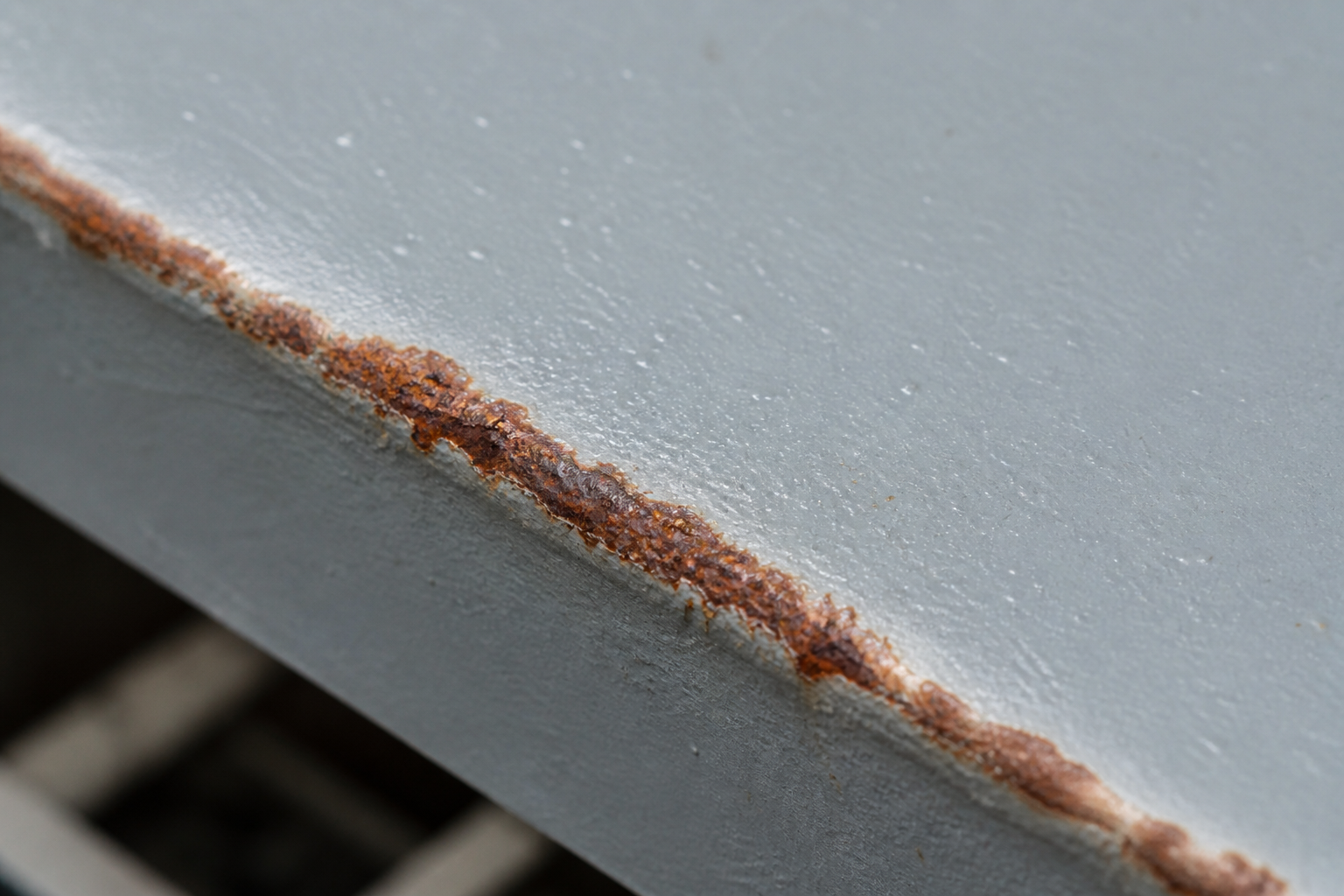
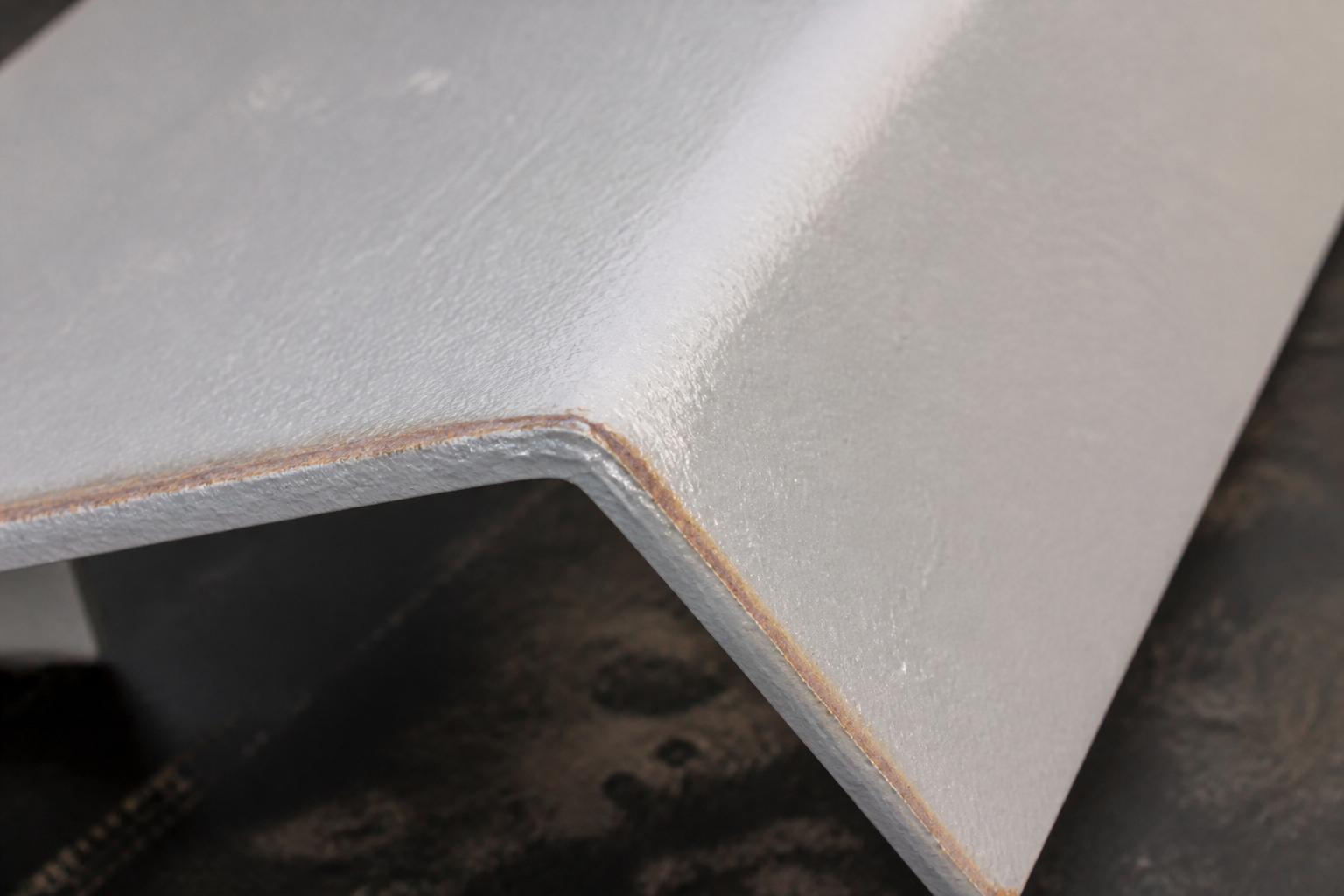
Photorealistic illustrative reference showing edge corrosion on a protective coating system
Reference image only — not for determining failure mode or root cause.

Corrosion

Edge Corrosion

Early corrosion concentrated on sharp edges, welds, cutouts, and difficult geometries.

View Details

Corrosion

Edge Corrosion

Potential corrosion risk

What It Looks Like

Rusting or coating breakdown tracing edges and irregular steel details.

Common Causes

Possible causes and contributing factors include:

  • Poor edge rounding
  • Low film build at edges
  • Omitted stripe coat
  • Difficult spray access
  • Mechanical damage

Inspection Considerations

  • Photograph the defect and record its location, extent, and distribution before destructive examination.
  • Review the coating system, application history, environmental records, and surrounding film thickness.
  • Confirm substrate and intercoat condition through inspection and testing where required.

Typical Remediation

Remove affected coating to a sound, well-adhered boundary. Confirm and correct the contributing condition before preparing the surface and rebuilding the specified coating system.

Prevention

Follow the approved specification, product Technical Data Sheet, environmental limits, preparation requirements, and inspection plan.

Related Terms

edge retention · stripe coating

Often Confused With

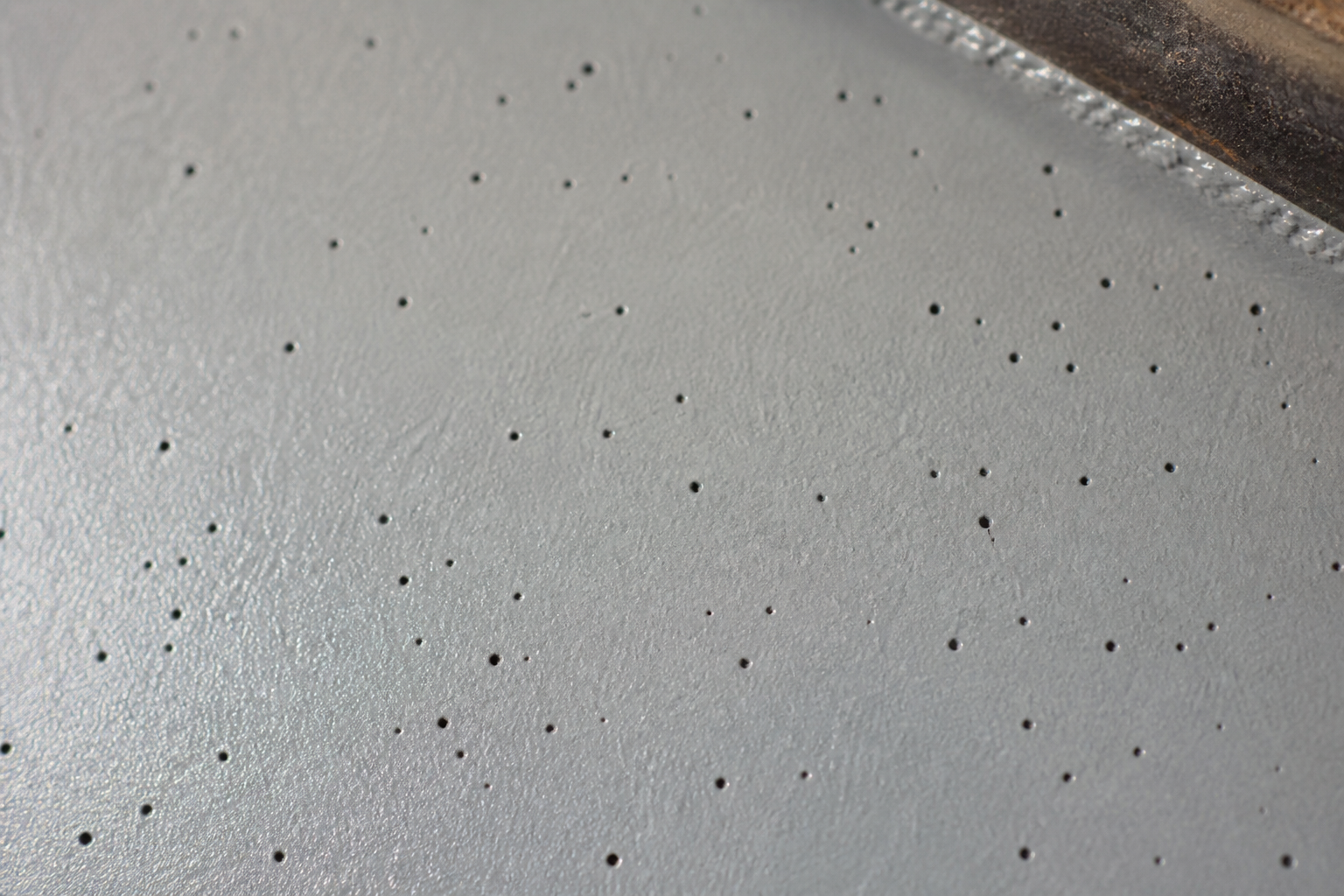
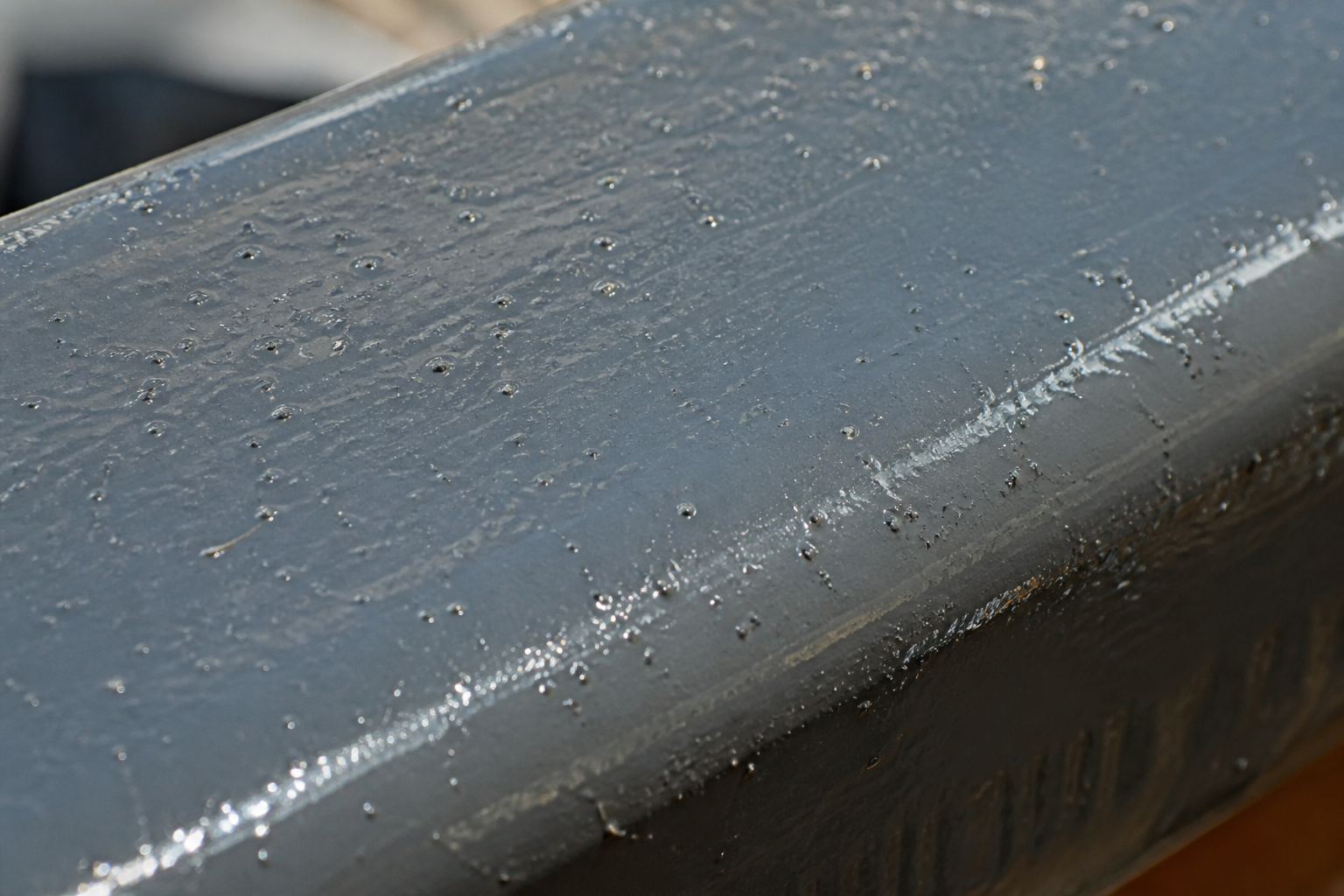
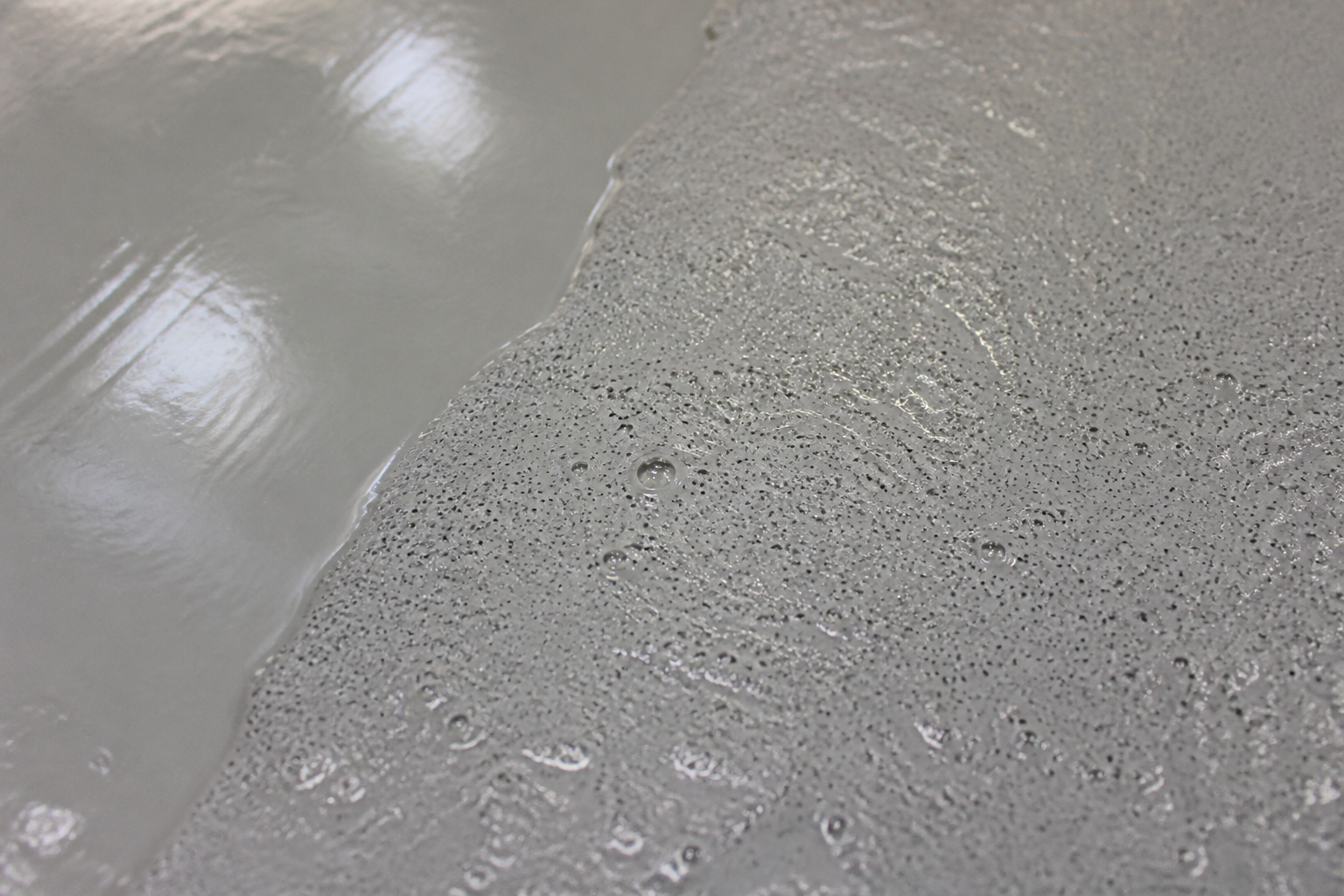
Photorealistic illustrative reference showing pinholing on a protective coating system
Reference image only — not for determining failure mode or root cause.

Film Formation

Pinholing

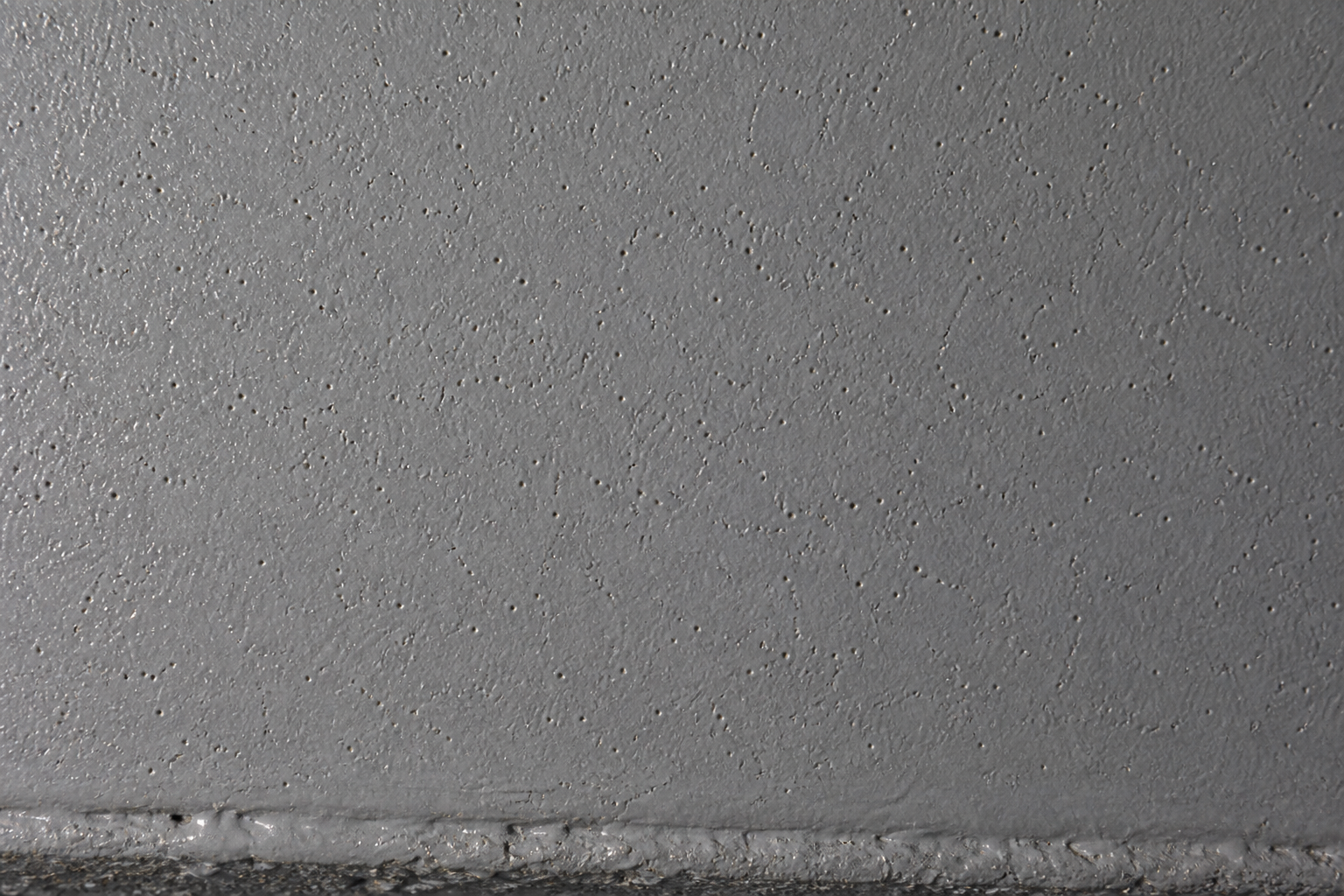
Very small holes extending into or through the coating film.

View Details

Film Formation

Pinholing

Potential corrosion risk

What It Looks Like

Fine isolated holes resembling needle pricks, sometimes visible only under magnification or holiday testing.

Common Causes

Possible causes and contributing factors include:

  • Air release from porous substrate
  • Incorrect application
  • High-viscosity material
  • Rapid solvent release
  • Contamination
Inspection Considerations

  • Photograph the defect and record its location, extent, and distribution before destructive examination.
  • Review the coating system, application history, environmental records, and surrounding film thickness.
  • Confirm substrate and intercoat condition through inspection and testing where required.

Typical Remediation

Remove affected coating to a sound, well-adhered boundary. Confirm and correct the contributing condition before preparing the surface and rebuilding the specified coating system.

Prevention

Follow the approved specification, product Technical Data Sheet, environmental limits, preparation requirements, and inspection plan.

Related Terms

pinholes · micro-holidays

Often Confused With

Photorealistic illustrative reference showing holidays / missed areas on a protective coating system
Reference image only — not for determining failure mode or root cause.

Thickness / Coverage

Holidays / Missed Areas

Uncoated or discontinuous areas within an intended continuous coating film.

View Details

Thickness / Coverage

Holidays / Missed Areas

Potential corrosion risk

What It Looks Like

Visible misses, bare substrate, or electrically detected discontinuities.

Common Causes

Possible causes and contributing factors include:

  • Poor access or lighting
  • Incomplete application
  • Complex geometry
  • Insufficient overlap
  • Damage after application

Inspection Considerations

  • Photograph the defect and record its location, extent, and distribution before destructive examination.
  • Review the coating system, application history, environmental records, and surrounding film thickness.
  • Confirm substrate and intercoat condition through inspection and testing where required.

Typical Remediation

Remove affected coating to a sound, well-adhered boundary. Confirm and correct the contributing condition before preparing the surface and rebuilding the specified coating system.

Prevention

Follow the approved specification, product Technical Data Sheet, environmental limits, preparation requirements, and inspection plan.

Related Terms

holiday · miss · discontinuity

Often Confused With

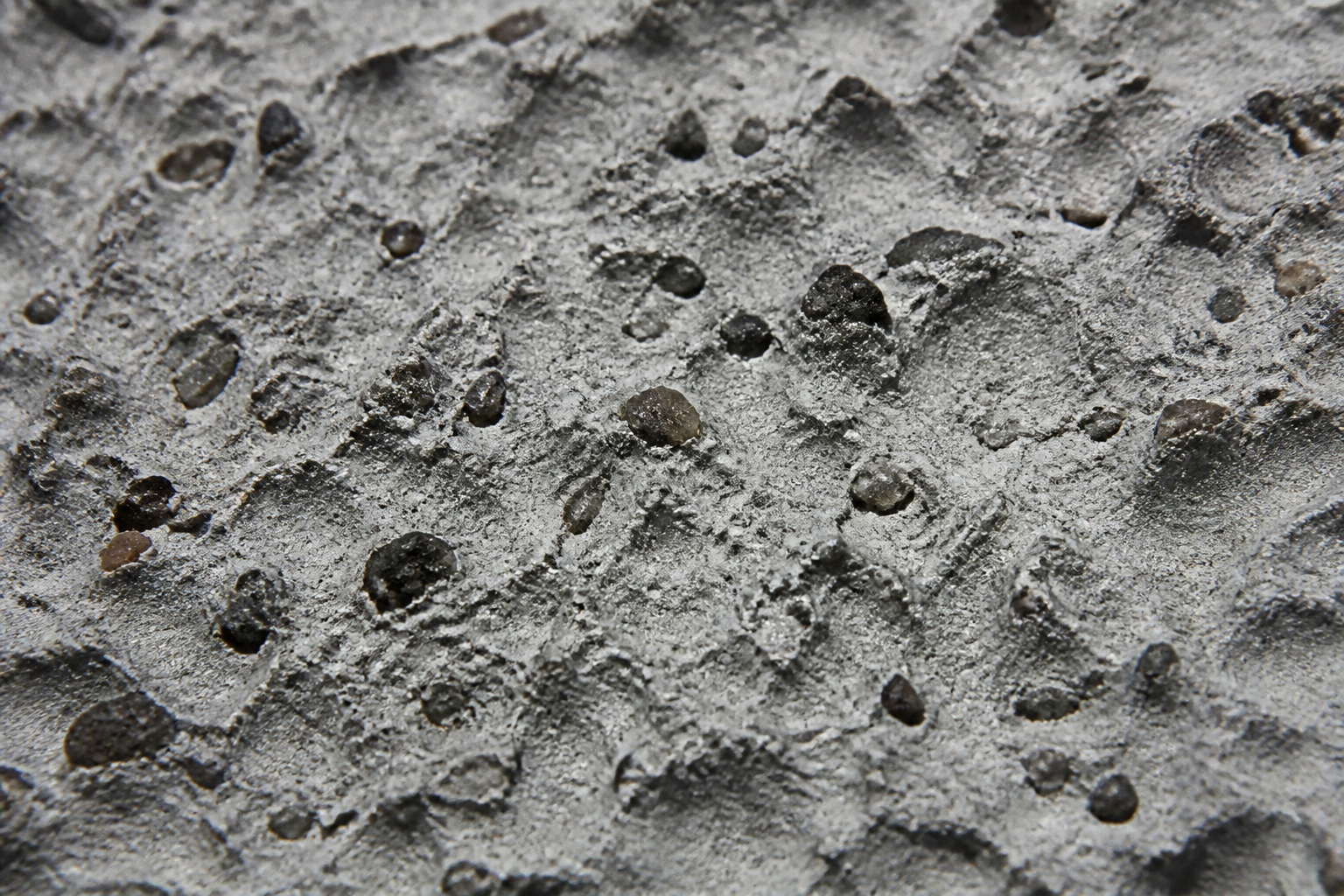
Photorealistic illustrative reference showing porosity on a protective coating system
Reference image only — not for determining failure mode or root cause.

Film Formation

Porosity

A network or concentration of fine voids within the applied coating.

View Details

Film Formation

Porosity

Potential corrosion risk

What It Looks Like

Sponge-like, porous, or finely pitted film that may contain interconnected openings.

Common Causes

Possible causes and contributing factors include:

  • Air entrapment
  • Outgassing
  • Incorrect spray setup
  • Porous substrate
  • Excessive atomization

Inspection Considerations

  • Photograph the defect and record its location, extent, and distribution before destructive examination.
  • Review the coating system, application history, environmental records, and surrounding film thickness.
  • Confirm substrate and intercoat condition through inspection and testing where required.

Typical Remediation

Remove affected coating to a sound, well-adhered boundary. Confirm and correct the contributing condition before preparing the surface and rebuilding the specified coating system.

Prevention

Follow the approved specification, product Technical Data Sheet, environmental limits, preparation requirements, and inspection plan.

Related Terms

voids · porous film

Often Confused With

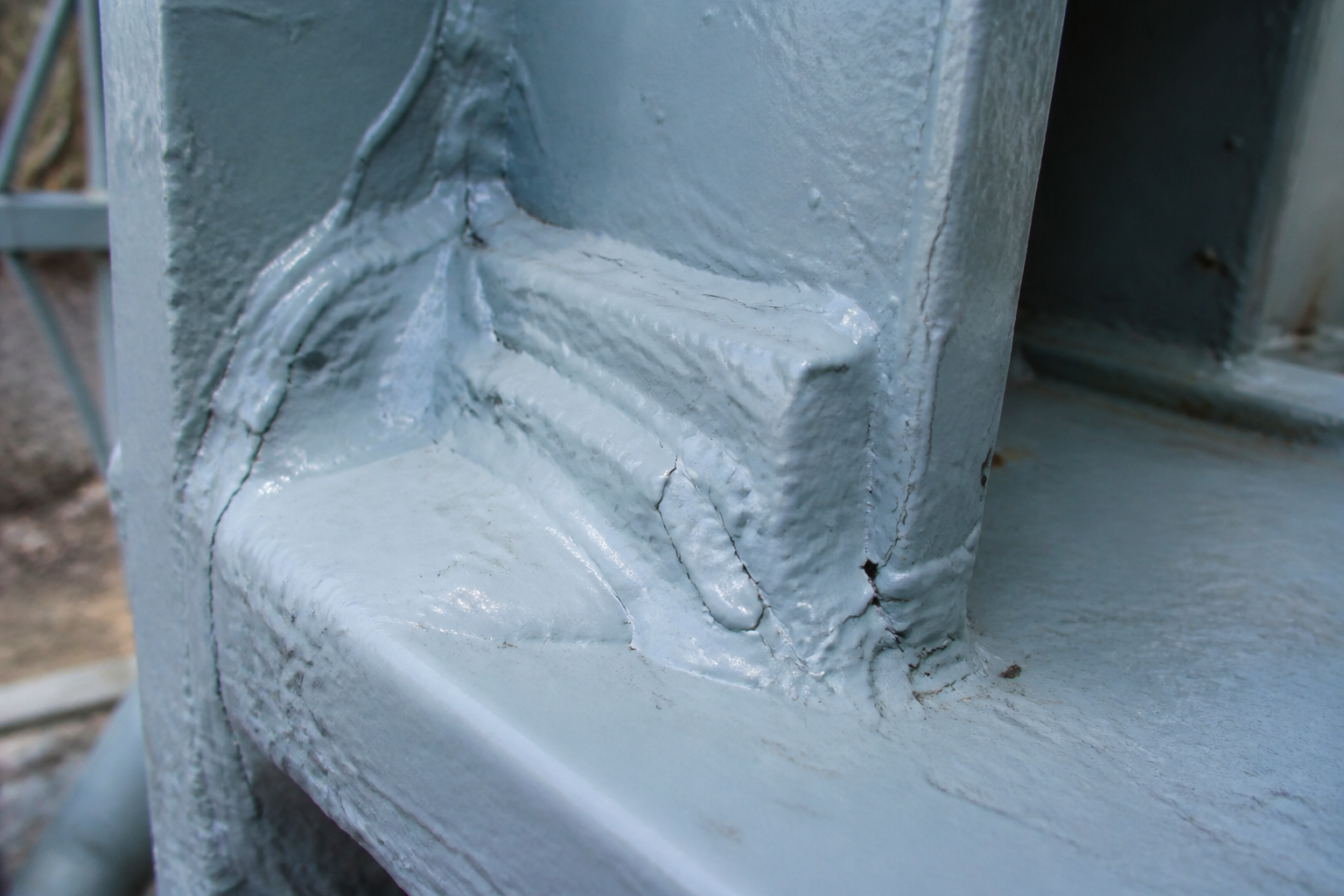
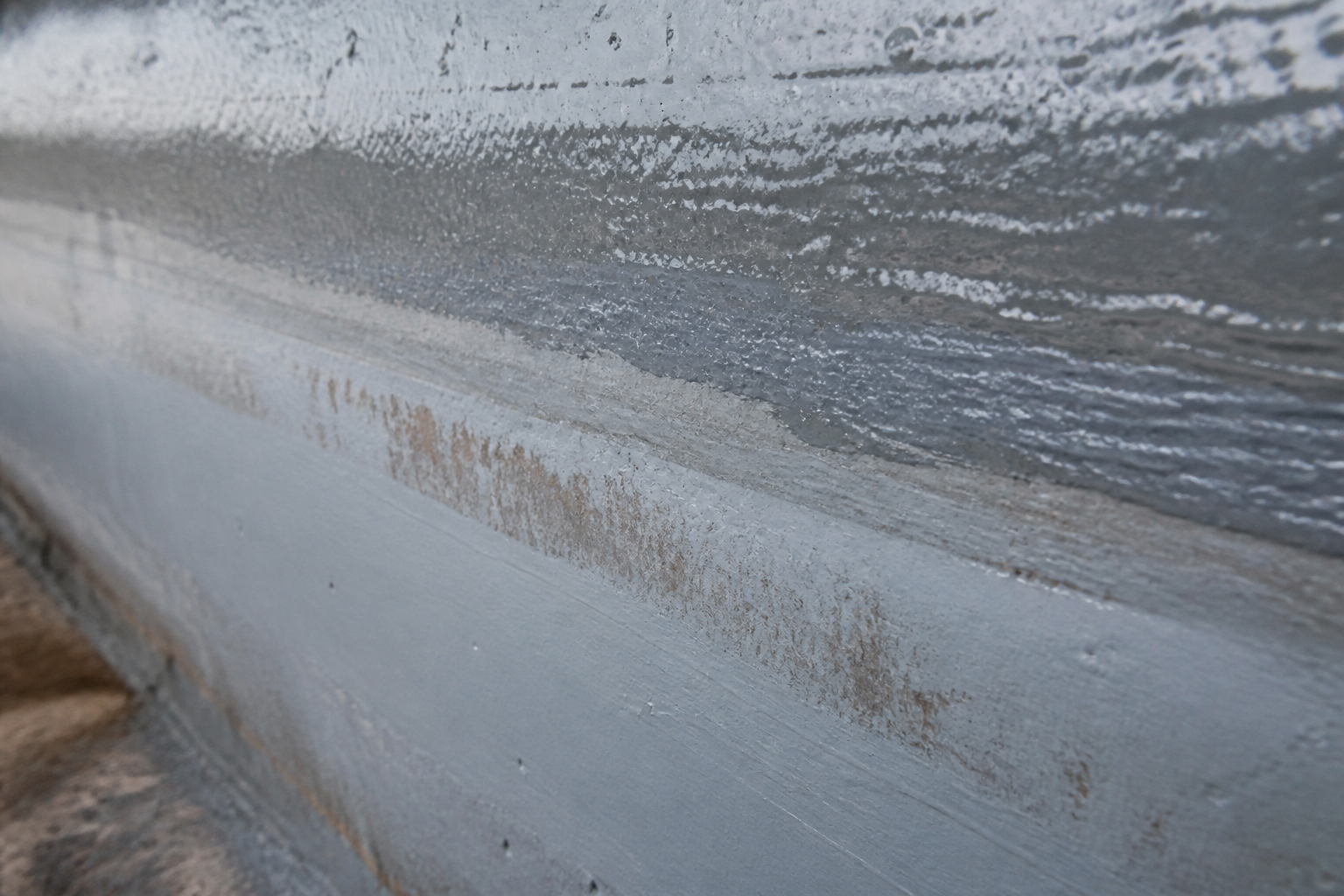
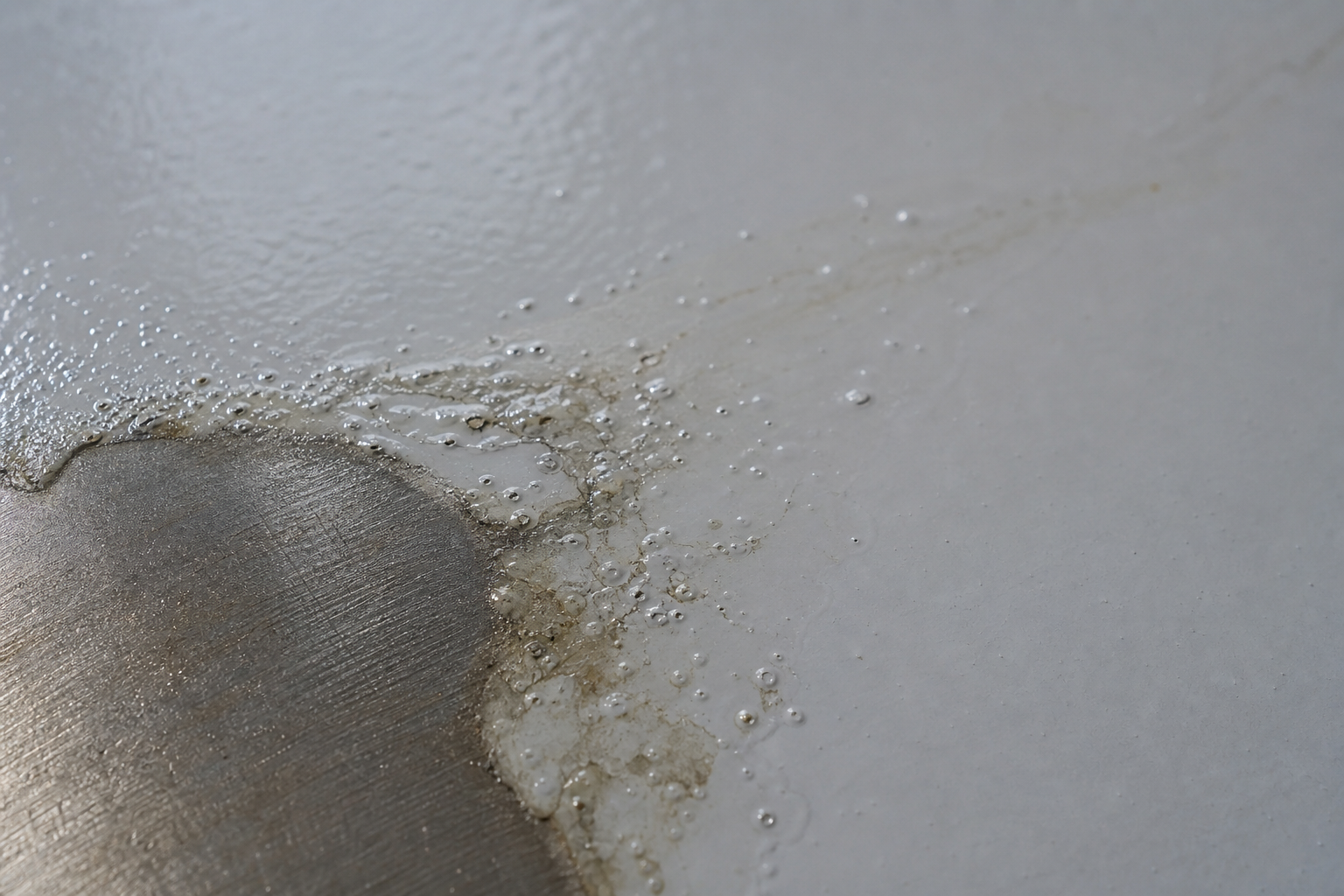
Photorealistic illustrative reference showing cratering on a protective coating system
Reference image only — not for determining failure mode or root cause.

Application

Cratering

Circular depressions formed when the wet film recedes from localized areas.

View Details

Application

Cratering

Performance-related

What It Looks Like

Bowl-shaped depressions, sometimes with a central contaminant or raised rim.

Common Causes

Possible causes and contributing factors include:

  • Oil or silicone contamination
  • Airborne contamination
  • Incompatible additive
  • Poor substrate wetting

Inspection Considerations
  • Photograph the defect and record its location, extent, and distribution before destructive examination.
  • Review the coating system, application history, environmental records, and surrounding film thickness.
  • Confirm substrate and intercoat condition through inspection and testing where required.
Typical Remediation

Remove affected coating to a sound, well-adhered boundary. Confirm and correct the contributing condition before preparing the surface and rebuilding the specified coating system.

Prevention

Follow the approved specification, product Technical Data Sheet, environmental limits, preparation requirements, and inspection plan.

Related Terms

craters · pitting

Often Confused With

Photorealistic illustrative reference showing fish eyes on a protective coating system
Reference image only — not for determining failure mode or root cause.

Contamination

Fish Eyes

Circular openings where wet coating pulls away from a contaminated spot.

View Details

Contamination

Fish Eyes

Performance-related

What It Looks Like

Small round depressions with a distinct rim and exposed or thin centre.

Common Causes

Possible causes and contributing factors include:

  • Silicone
  • Oil or grease
  • Release agents
  • Contaminated tools or air supply

Inspection Considerations

  • Photograph the defect and record its location, extent, and distribution before destructive examination.
  • Review the coating system, application history, environmental records, and surrounding film thickness.
  • Confirm substrate and intercoat condition through inspection and testing where required.

Typical Remediation

Remove affected coating to a sound, well-adhered boundary. Confirm and correct the contributing condition before preparing the surface and rebuilding the specified coating system.

Prevention

Follow the approved specification, product Technical Data Sheet, environmental limits, preparation requirements, and inspection plan.

Related Terms

fisheyes · surface tension defect

Often Confused With

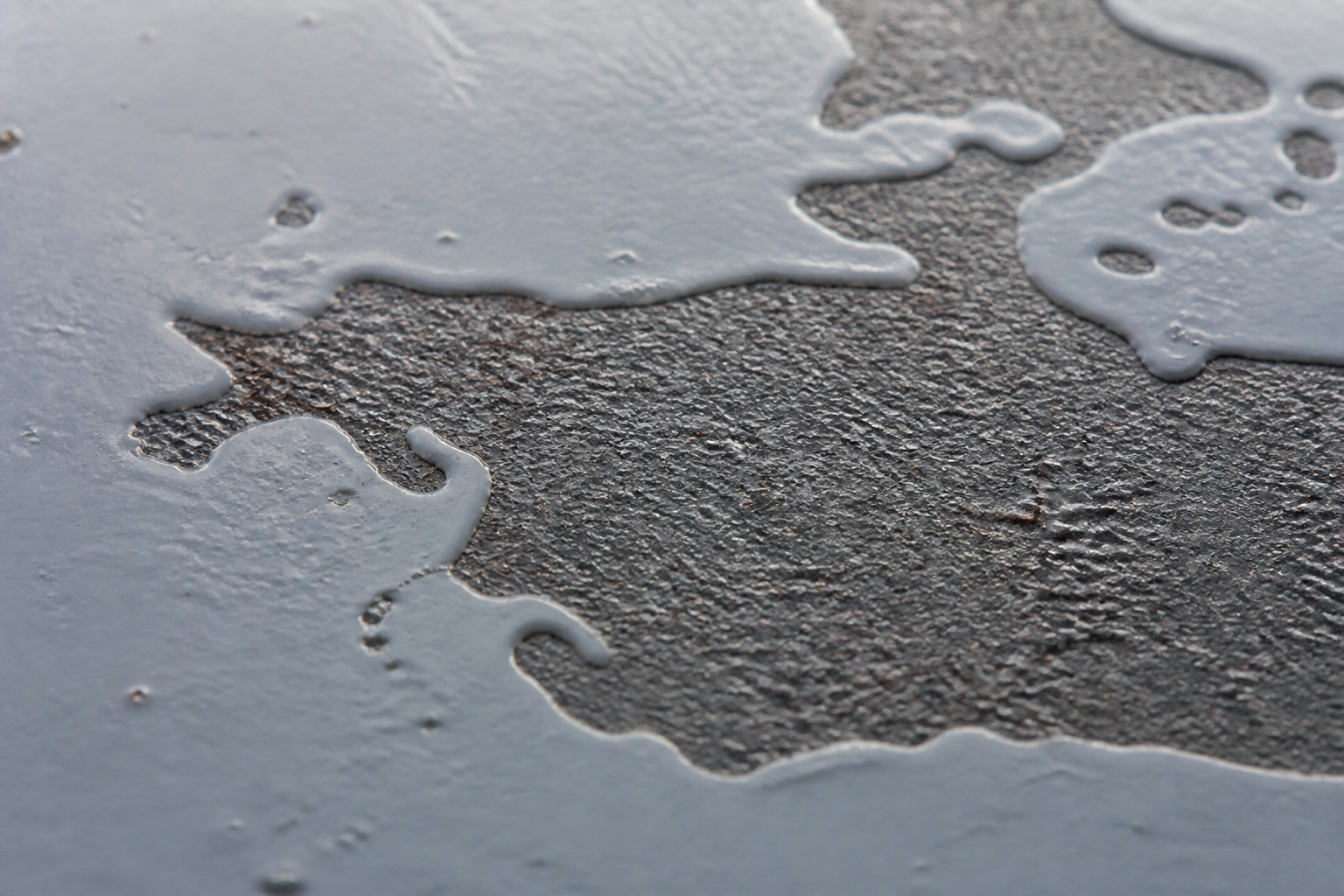
Photorealistic illustrative reference showing crawling on a protective coating system
Reference image only — not for determining failure mode or root cause.

Application

Crawling

Wet coating retracts into islands and leaves irregular areas poorly covered.

View Details

Application

Crawling

Performance-related

What It Looks Like

Irregular bare or thin patches bordered by heavier coating.

Common Causes

Possible causes and contributing factors include:

  • Low surface energy contamination
  • Incompatible underlying coat
  • Excessively smooth surface
  • Incorrect thinning

Inspection Considerations

  • Photograph the defect and record its location, extent, and distribution before destructive examination.
  • Review the coating system, application history, environmental records, and surrounding film thickness.
  • Confirm substrate and intercoat condition through inspection and testing where required.

Typical Remediation

Remove affected coating to a sound, well-adhered boundary. Confirm and correct the contributing condition before preparing the surface and rebuilding the specified coating system.

Prevention

Follow the approved specification, product Technical Data Sheet, environmental limits, preparation requirements, and inspection plan.

Related Terms

retraction · dewetting

Often Confused With

Photorealistic illustrative reference showing sagging on a protective coating system
Reference image only — not for determining failure mode or root cause.

Application

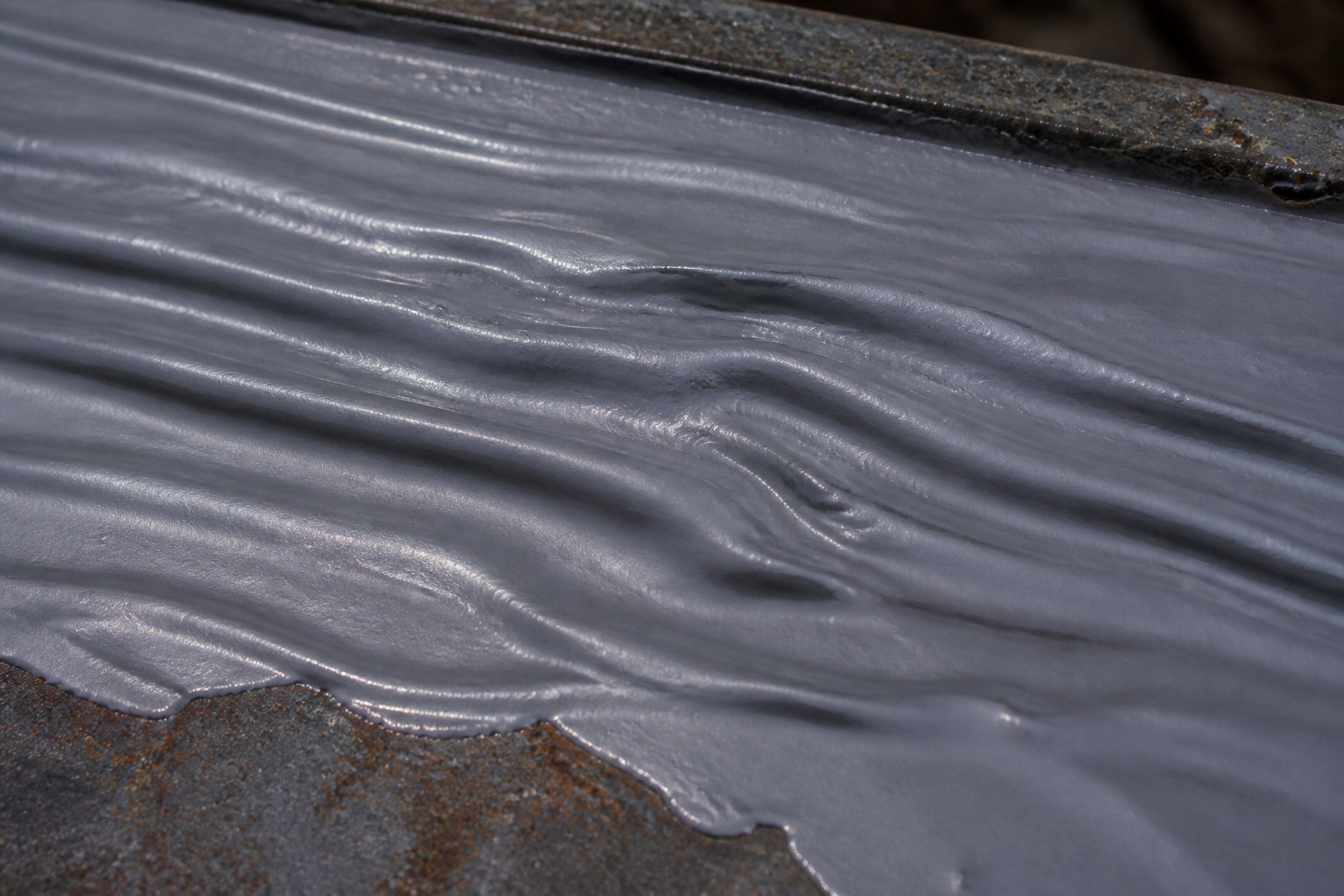
Sagging

Downward movement of wet coating resulting in curtains or heavy bands.

View Details

Application

Sagging

Performance-related

What It Looks Like

Broad drooping waves, curtains, or thick accumulations on vertical surfaces.

Common Causes

Possible causes and contributing factors include:

  • Excessive wet film thickness
  • Over-thinning
  • Incorrect spray technique
  • Low material viscosity
  • Cold substrate

Inspection Considerations

  • Photograph the defect and record its location, extent, and distribution before destructive examination.
  • Review the coating system, application history, environmental records, and surrounding film thickness.
  • Confirm substrate and intercoat condition through inspection and testing where required.

Typical Remediation

Remove affected coating to a sound, well-adhered boundary. Confirm and correct the contributing condition before preparing the surface and rebuilding the specified coating system.

Prevention

Follow the approved specification, product Technical Data Sheet, environmental limits, preparation requirements, and inspection plan.

Related Terms

sags · curtaining

Often Confused With

Photorealistic illustrative reference showing runs on a protective coating system
Reference image only — not for determining failure mode or root cause.

Application

Runs

Narrow downward flow lines caused by localized excess wet coating.

View Details

Application

Runs

Performance-related

What It Looks Like

Distinct vertical rivulets or tears extending below a heavy application point.

Common Causes

Possible causes and contributing factors include:

  • Localized over-application
  • Gun held too close
  • Slow spray pass
  • Excess thinner

Inspection Considerations

  • Photograph the defect and record its location, extent, and distribution before destructive examination.
  • Review the coating system, application history, environmental records, and surrounding film thickness.
  • Confirm substrate and intercoat condition through inspection and testing where required.

Typical Remediation

Remove affected coating to a sound, well-adhered boundary. Confirm and correct the contributing condition before preparing the surface and rebuilding the specified coating system.

Prevention

Follow the approved specification, product Technical Data Sheet, environmental limits, preparation requirements, and inspection plan.

Related Terms

rundown · tears

Often Confused With

Photorealistic illustrative reference showing orange peel on a protective coating system
Reference image only — not for determining failure mode or root cause.

Application

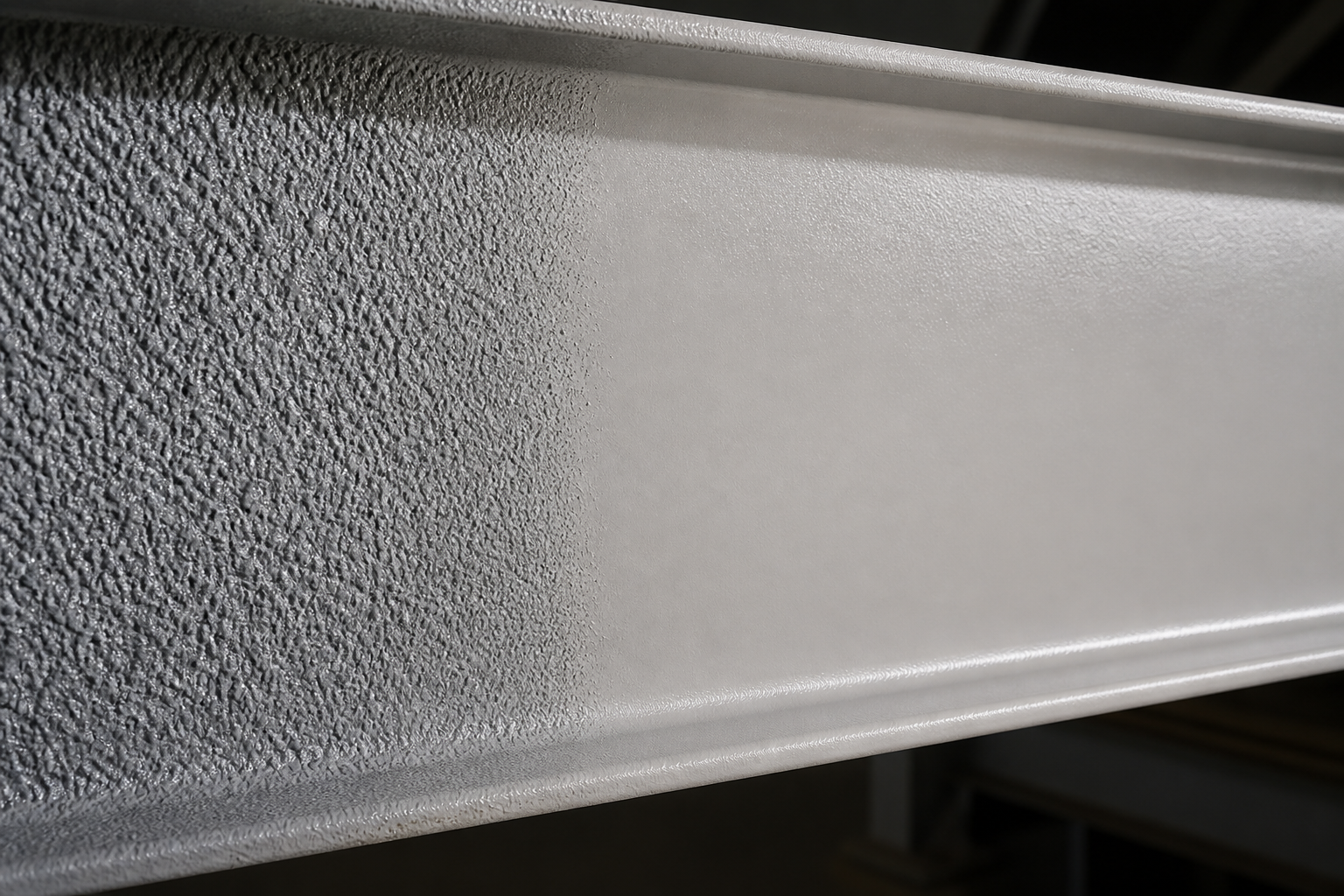
Orange Peel

Textured finish resembling the surface of citrus peel.

View Details

Application

Orange Peel

Cosmetic

What It Looks Like

Uniform fine hills and valleys rather than a smooth level film.

Common Causes

Possible causes and contributing factors include:

  • Poor atomization
  • High viscosity
  • Incorrect thinner
  • Gun distance or pressure
  • Insufficient flow and levelling

Inspection Considerations

  • Photograph the defect and record its location, extent, and distribution before destructive examination.
  • Review the coating system, application history, environmental records, and surrounding film thickness.
  • Confirm substrate and intercoat condition through inspection and testing where required.

Typical Remediation

Remove affected coating to a sound, well-adhered boundary. Confirm and correct the contributing condition before preparing the surface and rebuilding the specified coating system.

Prevention

Follow the approved specification, product Technical Data Sheet, environmental limits, preparation requirements, and inspection plan.

Related Terms

texture · poor levelling

Often Confused With

Photorealistic illustrative reference showing dry spray on a protective coating system
Reference image only — not for determining failure mode or root cause.

Application

Dry Spray

Dry or partially dried particles land without adequately flowing into the film.

View Details

Application

Dry Spray

Performance-related

What It Looks Like

Rough, powdery, grainy, or porous surface with poor cohesion or intercoat bonding.

Common Causes

Possible causes and contributing factors include:

  • Excessive gun distance
  • High atomizing pressure
  • Hot or windy conditions
  • Fast solvent
  • Overspray deposition

Inspection Considerations

  • Photograph the defect and record its location, extent, and distribution before destructive examination.
  • Review the coating system, application history, environmental records, and surrounding film thickness.
  • Confirm substrate and intercoat condition through inspection and testing where required.

Typical Remediation

Remove affected coating to a sound, well-adhered boundary. Confirm and correct the contributing condition before preparing the surface and rebuilding the specified coating system.

Prevention

Follow the approved specification, product Technical Data Sheet, environmental limits, preparation requirements, and inspection plan.

Related Terms

dry fall · rough spray

Often Confused With

Photorealistic illustrative reference showing overspray on a protective coating system
Reference image only — not for determining failure mode or root cause.

Application

Overspray

Atomized coating settles beyond the intended spray area or onto adjacent work.

View Details

Application

Overspray

Cosmetic

What It Looks Like

Dusty, rough, or differently coloured deposit on nearby coated or uncoated surfaces.

Common Causes

Possible causes and contributing factors include:

  • Poor masking or containment
  • Wind or airflow
  • Spray pattern overlap
  • Work sequencing

Inspection Considerations

  • Photograph the defect and record its location, extent, and distribution before destructive examination.
  • Review the coating system, application history, environmental records, and surrounding film thickness.
  • Confirm substrate and intercoat condition through inspection and testing where required.

Typical Remediation

Remove affected coating to a sound, well-adhered boundary. Confirm and correct the contributing condition before preparing the surface and rebuilding the specified coating system.

Prevention

Follow the approved specification, product Technical Data Sheet, environmental limits, preparation requirements, and inspection plan.

Related Terms

spray drift · fallout

Often Confused With

Photorealistic illustrative reference showing wrinkling on a protective coating system
Reference image only — not for determining failure mode or root cause.

Film Formation

Wrinkling

Surface skin forms and distorts while underlying coating remains mobile.

View Details

Film Formation

Wrinkling

Performance-related

What It Looks Like

Ridges, folds, or shrivelled skin across the coating surface.

Common Causes

Possible causes and contributing factors include:

  • Excessive film thickness
  • Rapid surface drying
  • Incompatible recoating
  • Cold conditions
  • Incorrect thinner

Inspection Considerations

  • Photograph the defect and record its location, extent, and distribution before destructive examination.
  • Review the coating system, application history, environmental records, and surrounding film thickness.
  • Confirm substrate and intercoat condition through inspection and testing where required.

Typical Remediation

Remove affected coating to a sound, well-adhered boundary. Confirm and correct the contributing condition before preparing the surface and rebuilding the specified coating system.

Prevention

Follow the approved specification, product Technical Data Sheet, environmental limits, preparation requirements, and inspection plan.

Related Terms

shrivelling · surface wrinkling

Often Confused With

Photorealistic illustrative reference showing lifting on a protective coating system
Reference image only — not for determining failure mode or root cause.

Film Formation

Lifting

Existing coating softens, swells, or wrinkles after application of a subsequent coat.

View Details

Film Formation

Lifting

Performance-related

What It Looks Like

Raised, distorted, or detached underlying film following recoating.

Common Causes

Possible causes and contributing factors include:

  • Strong solvent attack
  • Incompatible coating
  • Recoat timing
  • Uncured underlying coat

Inspection Considerations

  • Photograph the defect and record its location, extent, and distribution before destructive examination.
  • Review the coating system, application history, environmental records, and surrounding film thickness.
  • Confirm substrate and intercoat condition through inspection and testing where required.

Typical Remediation

Remove affected coating to a sound, well-adhered boundary. Confirm and correct the contributing condition before preparing the surface and rebuilding the specified coating system.

Prevention

Follow the approved specification, product Technical Data Sheet, environmental limits, preparation requirements, and inspection plan.

Related Terms

solvent lifting · recoat attack

Often Confused With

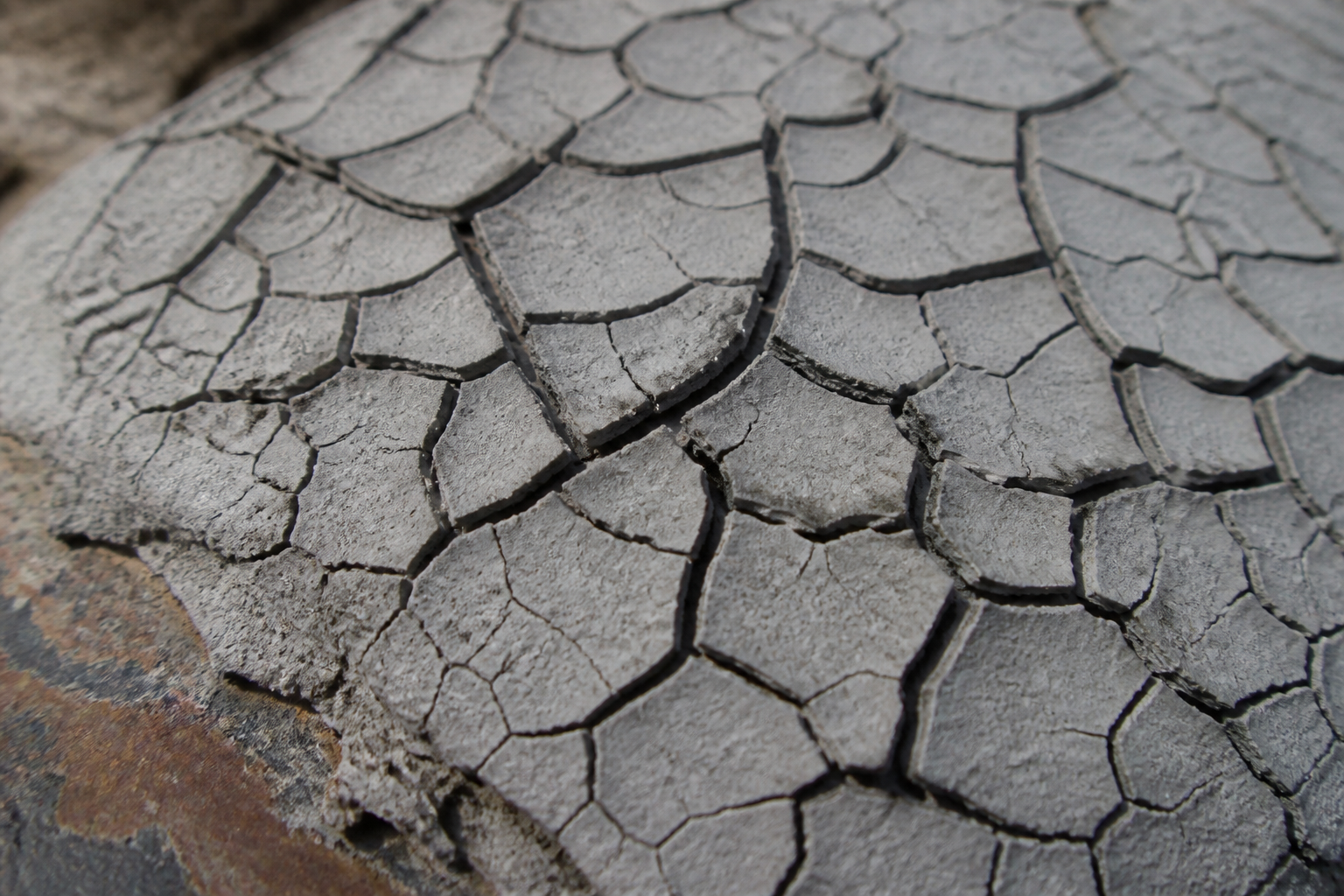
Photorealistic illustrative reference showing mud cracking on a protective coating system
Reference image only — not for determining failure mode or root cause.

Film Formation

Mud Cracking

Wide polygonal cracks caused by excessive shrinkage in a thick or highly filled film.

View Details

Film Formation

Mud Cracking

Performance-related

What It Looks Like

Pattern resembling dried mud, often extending deeply through the applied layer.

Common Causes

Possible causes and contributing factors include:

  • Excessive film build
  • Rapid drying
  • High-build waterborne or inorganic material
  • Improper application

Inspection Considerations

  • Photograph the defect and record its location, extent, and distribution before destructive examination.
  • Review the coating system, application history, environmental records, and surrounding film thickness.
  • Confirm substrate and intercoat condition through inspection and testing where required.

Typical Remediation

Remove affected coating to a sound, well-adhered boundary. Confirm and correct the contributing condition before preparing the surface and rebuilding the specified coating system.

Prevention

Follow the approved specification, product Technical Data Sheet, environmental limits, preparation requirements, and inspection plan.

Related Terms

alligator cracking · shrinkage cracking

Often Confused With

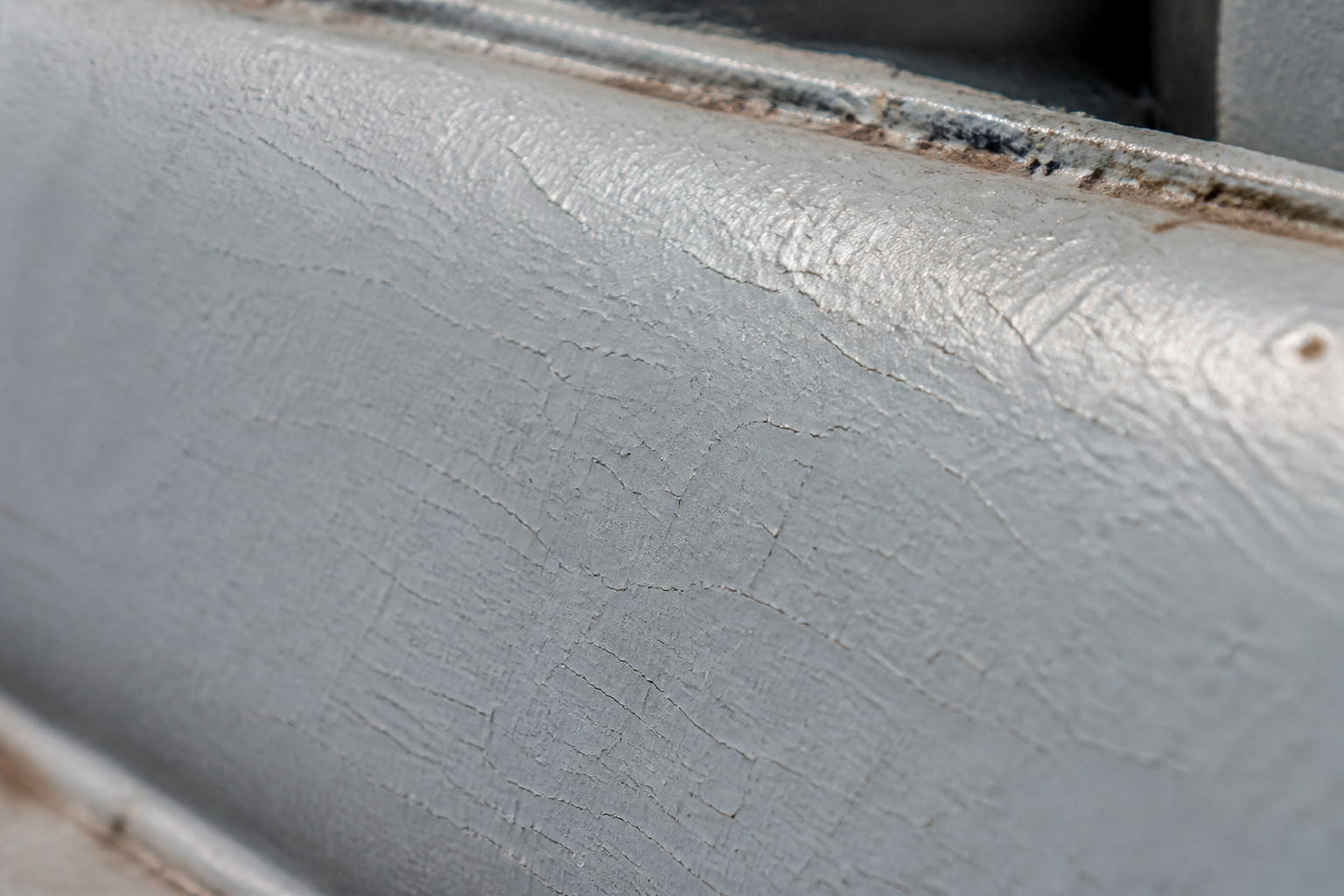
Photorealistic illustrative reference showing checking on a protective coating system
Reference image only — not for determining failure mode or root cause.

Weathering / Aging

Checking

Fine shallow cracks that generally do not extend through the full coating system.

View Details

Weathering / Aging

Checking

Performance-related

What It Looks Like

Dense network of short hairline surface cracks.

Common Causes

Possible causes and contributing factors include:

  • Aging and embrittlement
  • UV exposure
  • Thermal cycling
  • Internal stress

Inspection Considerations

  • Photograph the defect and record its location, extent, and distribution before destructive examination.
  • Review the coating system, application history, environmental records, and surrounding film thickness.
  • Confirm substrate and intercoat condition through inspection and testing where required.

Typical Remediation

Remove affected coating to a sound, well-adhered boundary. Confirm and correct the contributing condition before preparing the surface and rebuilding the specified coating system.

Prevention

Follow the approved specification, product Technical Data Sheet, environmental limits, preparation requirements, and inspection plan.

Related Terms

surface checking · crazing

Often Confused With

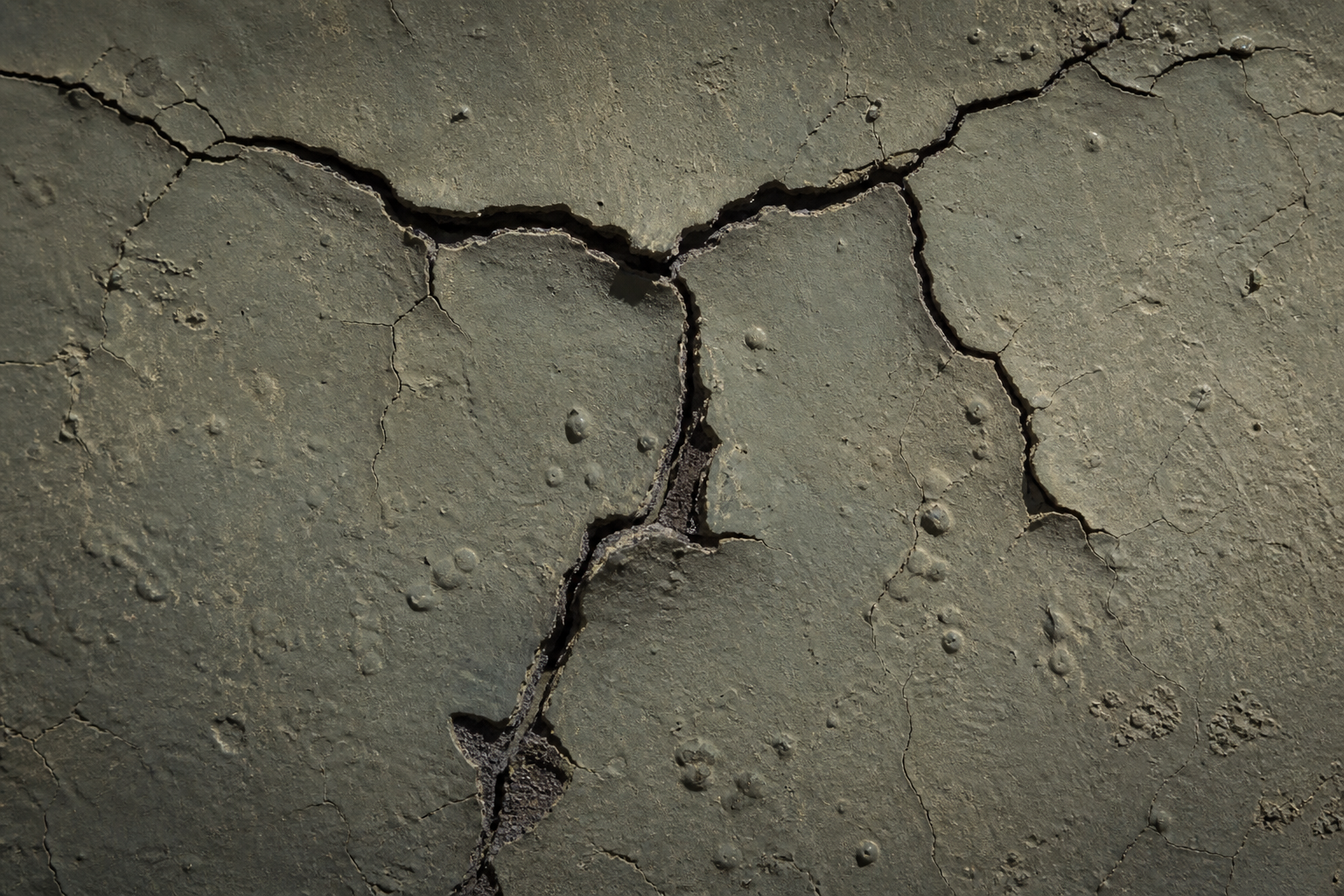
Photorealistic illustrative reference showing cracking on a protective coating system
Reference image only — not for determining failure mode or root cause.

Weathering / Aging

Cracking

Breaks in the coating film that may extend through one or more layers.

View Details

Weathering / Aging

Cracking

Potential corrosion risk

What It Looks Like

Linear or branched fractures ranging from isolated cracks to broad networks.

Common Causes

Possible causes and contributing factors include:

  • Embrittlement
  • Excessive film thickness
  • Substrate movement
  • Thermal stress
  • Incompatible layers

Inspection Considerations

  • Photograph the defect and record its location, extent, and distribution before destructive examination.
  • Review the coating system, application history, environmental records, and surrounding film thickness.
  • Confirm substrate and intercoat condition through inspection and testing where required.

Typical Remediation

Remove affected coating to a sound, well-adhered boundary. Confirm and correct the contributing condition before preparing the surface and rebuilding the specified coating system.

Prevention

Follow the approved specification, product Technical Data Sheet, environmental limits, preparation requirements, and inspection plan.

Related Terms

splitting · fracture

Often Confused With

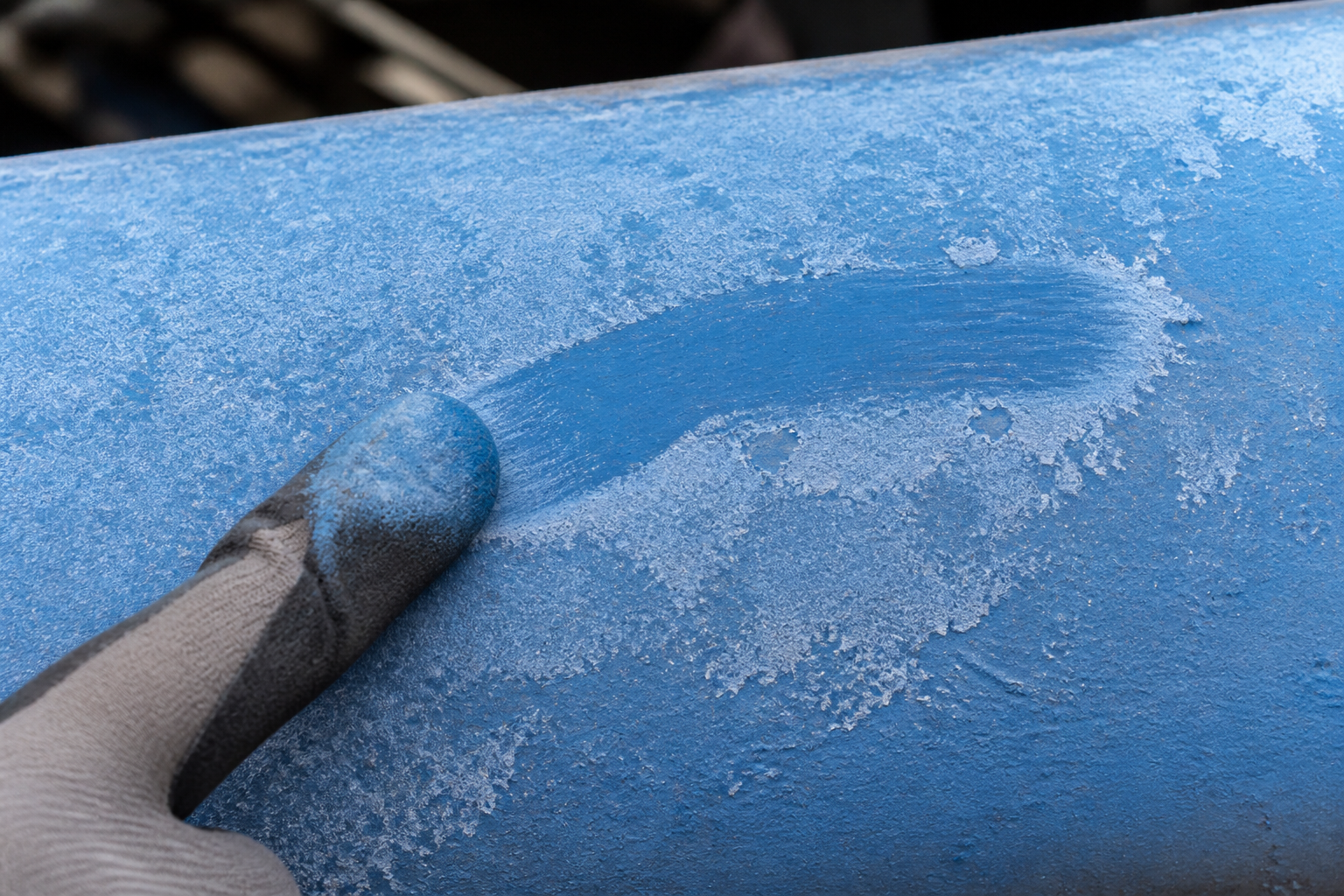
Photorealistic illustrative reference showing chalking on a protective coating system
Reference image only — not for determining failure mode or root cause.

Weathering / Aging

Chalking

Formation of a loose powder as the binder degrades at the exposed surface.

View Details

Weathering / Aging

Chalking

Cosmetic

What It Looks Like

Powder transfers to a hand or cloth and colour appears lighter or duller.

Common Causes

Possible causes and contributing factors include:

  • UV degradation
  • Weathering
  • Unsuitable topcoat for exposure
  • Aging

Inspection Considerations

  • Photograph the defect and record its location, extent, and distribution before destructive examination.
  • Review the coating system, application history, environmental records, and surrounding film thickness.
  • Confirm substrate and intercoat condition through inspection and testing where required.

Typical Remediation

Remove affected coating to a sound, well-adhered boundary. Confirm and correct the contributing condition before preparing the surface and rebuilding the specified coating system.

Prevention

Follow the approved specification, product Technical Data Sheet, environmental limits, preparation requirements, and inspection plan.

Related Terms

powdering · binder degradation

Often Confused With

Photorealistic illustrative reference showing fading on a protective coating system
Reference image only — not for determining failure mode or root cause.

Weathering / Aging

Fading

Progressive loss or change of coating colour during exposure.

View Details

Weathering / Aging

Fading

Cosmetic

What It Looks Like

Reduced colour intensity or uneven colour compared with protected areas.

Common Causes

Possible causes and contributing factors include:

  • UV exposure
  • Pigment instability
  • Chemical exposure
  • Uneven weathering

Inspection Considerations

  • Photograph the defect and record its location, extent, and distribution before destructive examination.
  • Review the coating system, application history, environmental records, and surrounding film thickness.
  • Confirm substrate and intercoat condition through inspection and testing where required.

Typical Remediation

Remove affected coating to a sound, well-adhered boundary. Confirm and correct the contributing condition before preparing the surface and rebuilding the specified coating system.

Prevention

Follow the approved specification, product Technical Data Sheet, environmental limits, preparation requirements, and inspection plan.

Related Terms

colour loss · lightening

Often Confused With

Photorealistic illustrative reference showing discoloration on a protective coating system
Reference image only — not for determining failure mode or root cause.

Weathering / Aging

Discoloration

Unintended colour change, staining, or variation in an applied coating.

View Details

Weathering / Aging

Discoloration

Requires further investigation

What It Looks Like

Darkening, yellowing, staining, mottling, or inconsistent colour.

Common Causes

Possible causes and contributing factors include:

  • Chemical exposure
  • Heat
  • Contamination
  • Uneven cure
  • Batch or mixing variation

Inspection Considerations

  • Photograph the defect and record its location, extent, and distribution before destructive examination.
  • Review the coating system, application history, environmental records, and surrounding film thickness.
  • Confirm substrate and intercoat condition through inspection and testing where required.

Typical Remediation

Remove affected coating to a sound, well-adhered boundary. Confirm and correct the contributing condition before preparing the surface and rebuilding the specified coating system.

Prevention

Follow the approved specification, product Technical Data Sheet, environmental limits, preparation requirements, and inspection plan.

Related Terms

staining · yellowing · colour variation

Often Confused With

Photorealistic illustrative reference showing blooming on a protective coating system
Reference image only — not for determining failure mode or root cause.

Environmental Exposure

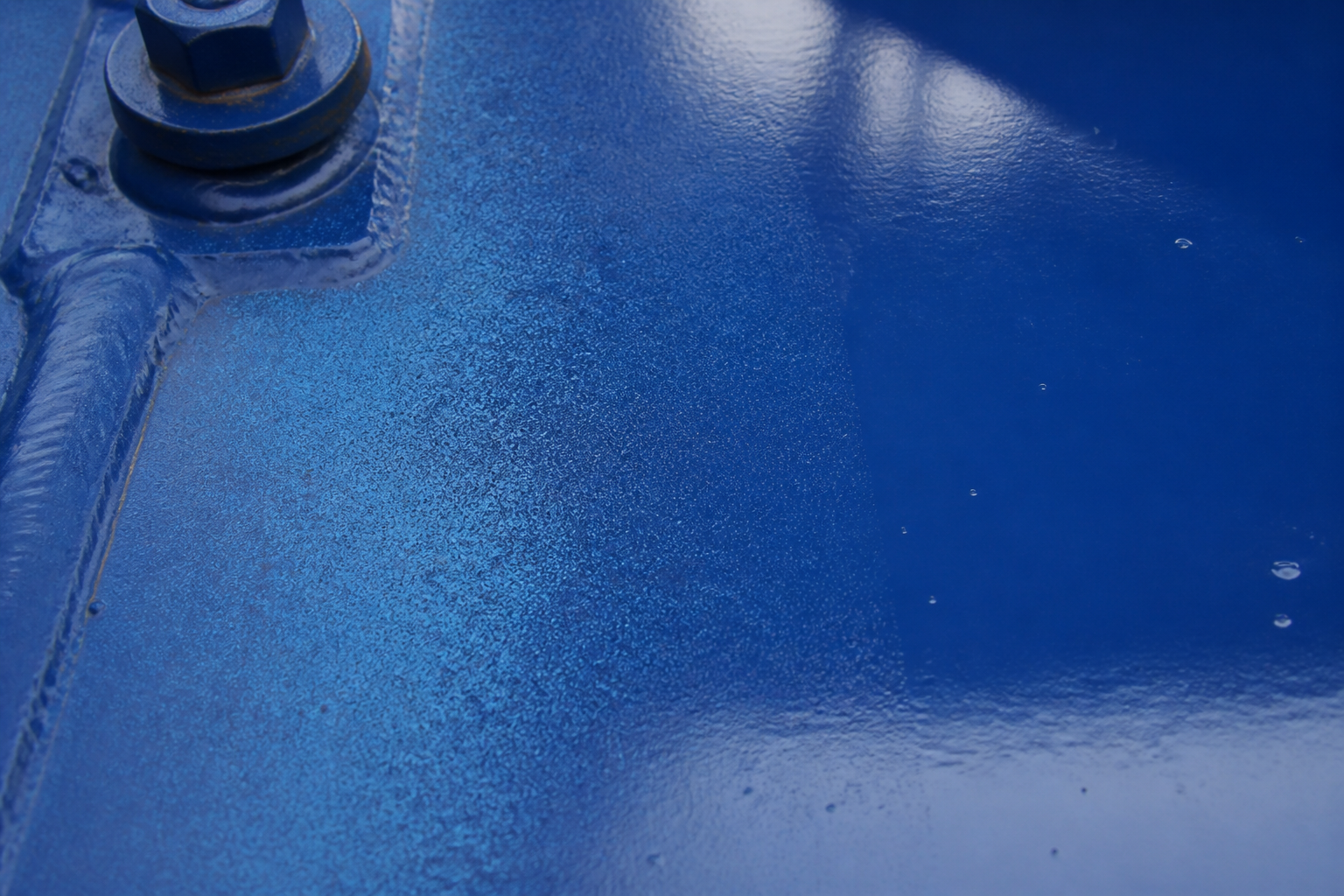
Blooming

Hazy or whitish surface deposit or loss of gloss associated with cure conditions.

View Details

Environmental Exposure

Blooming

Cosmetic

What It Looks Like

Cloudy, milky, or dull surface film, often after humid or cool application.

Common Causes

Possible causes and contributing factors include:

  • High humidity
  • Condensation
  • Low temperature
  • Moisture during cure
  • Solvent imbalance

Inspection Considerations

  • Photograph the defect and record its location, extent, and distribution before destructive examination.
  • Review the coating system, application history, environmental records, and surrounding film thickness.
  • Confirm substrate and intercoat condition through inspection and testing where required.

Typical Remediation

Remove affected coating to a sound, well-adhered boundary. Confirm and correct the contributing condition before preparing the surface and rebuilding the specified coating system.

Prevention

Follow the approved specification, product Technical Data Sheet, environmental limits, preparation requirements, and inspection plan.

Related Terms

blushing · haze

Often Confused With

Photorealistic illustrative reference showing amine blush on a protective coating system
Reference image only — not for determining failure mode or root cause.

Film Formation

Amine Blush

Waxy or greasy surface film that can form on curing amine-cured epoxy.

View Details

Film Formation

Amine Blush

Performance-related

What It Looks Like

Clear, whitish, greasy, or wax-like deposit; surface may feel slick or appear dull.

Common Causes

Possible causes and contributing factors include:

  • Moisture and carbon dioxide during cure
  • Cool humid conditions
  • Epoxy chemistry and cure state

Inspection Considerations

  • Photograph the defect and record its location, extent, and distribution before destructive examination.
  • Review the coating system, application history, environmental records, and surrounding film thickness.
  • Confirm substrate and intercoat condition through inspection and testing where required.

Typical Remediation

Remove affected coating to a sound, well-adhered boundary. Confirm and correct the contributing condition before preparing the surface and rebuilding the specified coating system.

Prevention

Follow the approved specification, product Technical Data Sheet, environmental limits, preparation requirements, and inspection plan.

Related Terms

carbamation · epoxy blush

Often Confused With

Photorealistic illustrative reference showing solvent entrapment on a protective coating system
Reference image only — not for determining failure mode or root cause.

Film Formation

Solvent Entrapment

Solvent remains trapped because the coating surface closes before release is complete.

View Details

Film Formation

Solvent Entrapment

Performance-related

What It Looks Like

Soft film, blistering, poor cure, odour, or later bubbling and loss of adhesion.

Common Causes

Possible causes and contributing factors include:

  • Excessive film thickness
  • Short flash time
  • Fast overcoating
  • Low ventilation
  • Incorrect thinner

Inspection Considerations

  • Photograph the defect and record its location, extent, and distribution before destructive examination.
  • Review the coating system, application history, environmental records, and surrounding film thickness.
  • Confirm substrate and intercoat condition through inspection and testing where required.

Typical Remediation

Remove affected coating to a sound, well-adhered boundary. Confirm and correct the contributing condition before preparing the surface and rebuilding the specified coating system.

Prevention

Follow the approved specification, product Technical Data Sheet, environmental limits, preparation requirements, and inspection plan.

Related Terms

retained solvent · soft film

Often Confused With

Photorealistic illustrative reference showing solvent popping on a protective coating system
Reference image only — not for determining failure mode or root cause.

Film Formation

Solvent Popping

Escaping solvent ruptures a partially formed surface skin and leaves small craters or holes.

View Details

Film Formation

Solvent Popping

Performance-related

What It Looks Like

Numerous small rounded pits, bubbles, or burst openings in the surface.

Common Causes

Possible causes and contributing factors include:

  • Rapid solvent release
  • Excessive wet film
  • High temperature
  • Insufficient flash time
  • Incorrect thinner

Inspection Considerations

  • Photograph the defect and record its location, extent, and distribution before destructive examination.
  • Review the coating system, application history, environmental records, and surrounding film thickness.
  • Confirm substrate and intercoat condition through inspection and testing where required.

Typical Remediation

Remove affected coating to a sound, well-adhered boundary. Confirm and correct the contributing condition before preparing the surface and rebuilding the specified coating system.

Prevention

Follow the approved specification, product Technical Data Sheet, environmental limits, preparation requirements, and inspection plan.

Related Terms

popping · solvent boil

Often Confused With

Photorealistic illustrative reference showing bubbling on a protective coating system
Reference image only — not for determining failure mode or root cause.

Film Formation

Bubbling

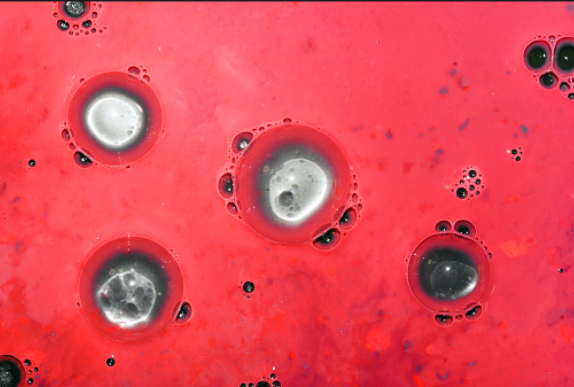
Gas or vapour forms visible bubbles during application or cure.

View Details

Film Formation

Bubbling

Performance-related

What It Looks Like

Raised bubbles in wet or cured film; some may burst and leave craters.

Common Causes

Possible causes and contributing factors include:

  • Outgassing
  • Entrained air
  • Moisture
  • Heat
  • Solvent release

Inspection Considerations

  • Photograph the defect and record its location, extent, and distribution before destructive examination.
  • Review the coating system, application history, environmental records, and surrounding film thickness.
  • Confirm substrate and intercoat condition through inspection and testing where required.

Typical Remediation

Remove affected coating to a sound, well-adhered boundary. Confirm and correct the contributing condition before preparing the surface and rebuilding the specified coating system.

Prevention

Follow the approved specification, product Technical Data Sheet, environmental limits, preparation requirements, and inspection plan.

Related Terms

bubbles · outgassing

Often Confused With

Photorealistic illustrative reference showing foaming on a protective coating system
Reference image only — not for determining failure mode or root cause.

Application

Foaming

Large numbers of air bubbles are generated and retained during mixing or application.

View Details

Application

Foaming

Performance-related

What It Looks Like

Frothy wet coating or cured film containing many small bubbles and voids.

Common Causes

Possible causes and contributing factors include:

  • High-speed mixing
  • Air entrainment
  • Incorrect roller
  • Porous substrate
  • Material formulation or temperature

Inspection Considerations

  • Photograph the defect and record its location, extent, and distribution before destructive examination.
  • Review the coating system, application history, environmental records, and surrounding film thickness.
  • Confirm substrate and intercoat condition through inspection and testing where required.

Typical Remediation

Remove affected coating to a sound, well-adhered boundary. Confirm and correct the contributing condition before preparing the surface and rebuilding the specified coating system.

Prevention

Follow the approved specification, product Technical Data Sheet, environmental limits, preparation requirements, and inspection plan.

Related Terms

entrained air · foam

Often Confused With

Photorealistic illustrative reference showing poor wetting on a protective coating system
Reference image only — not for determining failure mode or root cause.

Application

Poor Wetting

Coating does not spread into intimate contact with the substrate or existing coat.

View Details

Application

Poor Wetting

Performance-related

What It Looks Like

Retraction, beading, skips, thin patches, or failure to flow over the surface.

Common Causes

Possible causes and contributing factors include:

  • Oil, grease, or silicone
  • High surface tension
  • Dust
  • Incompatible surface
  • Incorrect viscosity

Inspection Considerations

  • Photograph the defect and record its location, extent, and distribution before destructive examination.
  • Review the coating system, application history, environmental records, and surrounding film thickness.
  • Confirm substrate and intercoat condition through inspection and testing where required.

Typical Remediation

Remove affected coating to a sound, well-adhered boundary. Confirm and correct the contributing condition before preparing the surface and rebuilding the specified coating system.

Prevention

Follow the approved specification, product Technical Data Sheet, environmental limits, preparation requirements, and inspection plan.

Related Terms

dewetting · beading

Often Confused With

Photorealistic illustrative reference showing poor edge coverage on a protective coating system
Reference image only — not for determining failure mode or root cause.

Thickness / Coverage

Poor Edge Coverage

Insufficient coating thickness on edges, corners, welds, and complex details.

View Details

Thickness / Coverage

Poor Edge Coverage

Potential corrosion risk

What It Looks Like

Visible thinness, substrate show-through, or early breakdown concentrated at edges.

Common Causes

Possible causes and contributing factors include:

  • Surface tension pull-back
  • Sharp edges
  • Omitted stripe coat
  • Poor access
  • Inadequate application technique

Inspection Considerations

  • Photograph the defect and record its location, extent, and distribution before destructive examination.
  • Review the coating system, application history, environmental records, and surrounding film thickness.
  • Confirm substrate and intercoat condition through inspection and testing where required.

Typical Remediation

Remove affected coating to a sound, well-adhered boundary. Confirm and correct the contributing condition before preparing the surface and rebuilding the specified coating system.

Prevention

Follow the approved specification, product Technical Data Sheet, environmental limits, preparation requirements, and inspection plan.

Related Terms

edge retention · thin edges

Often Confused With

Photorealistic illustrative reference showing low dft on a protective coating system
Reference image only — not for determining failure mode or root cause.

Thickness / Coverage

Low DFT

Measured dry film thickness is below the specified or agreed requirement.

View Details

Thickness / Coverage

Low DFT

Potential corrosion risk

What It Looks Like

May appear visually acceptable; thin or translucent areas can occur at edges and complex geometry.

Common Causes

Possible causes and contributing factors include:

  • Insufficient wet film
  • Excess thinning
  • Poor coverage control
  • High profile allowance
  • Measurement or calibration issue

Inspection Considerations

  • Photograph the defect and record its location, extent, and distribution before destructive examination.
  • Review the coating system, application history, environmental records, and surrounding film thickness.
  • Confirm substrate and intercoat condition through inspection and testing where required.

Typical Remediation

Remove affected coating to a sound, well-adhered boundary. Confirm and correct the contributing condition before preparing the surface and rebuilding the specified coating system.

Prevention

Follow the approved specification, product Technical Data Sheet, environmental limits, preparation requirements, and inspection plan.

Related Terms

under-thickness · insufficient film build

Often Confused With

Photorealistic illustrative reference showing excessive dft on a protective coating system
Reference image only — not for determining failure mode or root cause.

Thickness / Coverage

Excessive DFT

Dry film thickness exceeds the specified range or product limitation.

View Details

Thickness / Coverage

Excessive DFT

Performance-related

What It Looks Like

Heavy build, sags, cracking, slow cure, or an otherwise normal-looking film confirmed by measurement.

Common Causes

Possible causes and contributing factors include:

  • Over-application
  • Incorrect wet-film control
  • Excess passes
  • Geometry-related accumulation

Inspection Considerations

  • Photograph the defect and record its location, extent, and distribution before destructive examination.
  • Review the coating system, application history, environmental records, and surrounding film thickness.
  • Confirm substrate and intercoat condition through inspection and testing where required.

Typical Remediation

Remove affected coating to a sound, well-adhered boundary. Confirm and correct the contributing condition before preparing the surface and rebuilding the specified coating system.

Prevention

Follow the approved specification, product Technical Data Sheet, environmental limits, preparation requirements, and inspection plan.

Related Terms

over-thickness · high film build

Often Confused With

Photorealistic illustrative reference showing uneven dft on a protective coating system
Reference image only — not for determining failure mode or root cause.

Thickness / Coverage

Uneven DFT

Film thickness varies materially across the coated area.

View Details

Thickness / Coverage

Uneven DFT

Performance-related

What It Looks Like

Patchy appearance or inconsistent readings, often around geometry, overlaps, and access limitations.

Common Causes

Possible causes and contributing factors include:

  • Inconsistent spray technique
  • Complex geometry
  • Poor lighting or access
  • Uneven surface profile
  • Inadequate wet-film control

Inspection Considerations

  • Photograph the defect and record its location, extent, and distribution before destructive examination.
  • Review the coating system, application history, environmental records, and surrounding film thickness.
  • Confirm substrate and intercoat condition through inspection and testing where required.

Typical Remediation

Remove affected coating to a sound, well-adhered boundary. Confirm and correct the contributing condition before preparing the surface and rebuilding the specified coating system.

Prevention

Follow the approved specification, product Technical Data Sheet, environmental limits, preparation requirements, and inspection plan.

Related Terms

variable thickness · non-uniform film

Often Confused With

Photorealistic illustrative reference showing contamination failure on a protective coating system
Reference image only — not for determining failure mode or root cause.

Contamination

Contamination Failure

Coating performance is impaired by foreign material on or within the system.

View Details

Contamination

Contamination Failure

Requires further investigation

What It Looks Like

Adhesion loss, cratering, blistering, staining, inclusions, or localized early breakdown.

Common Causes

Possible causes and contributing factors include:

  • Oil, salts, dust, moisture, silicone, chemicals, or process residues
  • Contaminated tools or air supply

Inspection Considerations

  • Photograph the defect and record its location, extent, and distribution before destructive examination.
  • Review the coating system, application history, environmental records, and surrounding film thickness.
  • Confirm substrate and intercoat condition through inspection and testing where required.

Typical Remediation

Remove affected coating to a sound, well-adhered boundary. Confirm and correct the contributing condition before preparing the surface and rebuilding the specified coating system.

Prevention

Follow the approved specification, product Technical Data Sheet, environmental limits, preparation requirements, and inspection plan.

Related Terms

foreign matter · surface contamination

Often Confused With

Photorealistic illustrative reference showing salt contamination on a protective coating system
Reference image only — not for determining failure mode or root cause.

Contamination

Salt Contamination

Soluble salts remain on the substrate or between coats and contribute to deterioration.

View Details

Contamination

Salt Contamination

Potential corrosion risk

What It Looks Like

May not be visible initially; later blistering, osmotic activity, or underfilm corrosion may develop.

Common Causes

Possible causes and contributing factors include:

  • Marine or de-icing exposure
  • Contaminated abrasive or water
  • Inadequate washing
  • Salt redeposition

Inspection Considerations

  • Photograph the defect and record its location, extent, and distribution before destructive examination.
  • Review the coating system, application history, environmental records, and surrounding film thickness.
  • Confirm substrate and intercoat condition through inspection and testing where required.

Typical Remediation

Remove affected coating to a sound, well-adhered boundary. Confirm and correct the contributing condition before preparing the surface and rebuilding the specified coating system.

Prevention

Follow the approved specification, product Technical Data Sheet, environmental limits, preparation requirements, and inspection plan.

Related Terms

soluble salts · chlorides · conductivity

Often Confused With

Photorealistic illustrative reference showing oil / grease contamination on a protective coating system
Reference image only — not for determining failure mode or root cause.

Contamination

Oil / Grease Contamination

Hydrocarbon residue interferes with wetting, adhesion, or cure.

View Details

Contamination

Oil / Grease Contamination

Performance-related

What It Looks Like

Fish eyes, crawling, adhesion loss, dark staining, or visibly greasy areas.

Common Causes

Possible causes and contributing factors include:

  • Leaking equipment
  • Handling
  • Compressed-air contamination
  • Inadequate degreasing

Inspection Considerations

  • Photograph the defect and record its location, extent, and distribution before destructive examination.
  • Review the coating system, application history, environmental records, and surrounding film thickness.
  • Confirm substrate and intercoat condition through inspection and testing where required.

Typical Remediation

Remove affected coating to a sound, well-adhered boundary. Confirm and correct the contributing condition before preparing the surface and rebuilding the specified coating system.

Prevention

Follow the approved specification, product Technical Data Sheet, environmental limits, preparation requirements, and inspection plan.

Related Terms

hydrocarbon contamination · degreasing

Often Confused With

Photorealistic illustrative reference showing dust inclusion on a protective coating system
Reference image only — not for determining failure mode or root cause.

Contamination

Dust Inclusion

Loose particles become trapped in the wet coating film.

View Details

Contamination

Dust Inclusion

Cosmetic

What It Looks Like

Raised specks, roughness, nibs, or visible particulate embedded at the surface.

Common Causes

Possible causes and contributing factors include:

  • Poor cleaning
  • Airborne dust
  • Nearby blasting
  • Dirty equipment or clothing
  • Inadequate enclosure control

Inspection Considerations

  • Photograph the defect and record its location, extent, and distribution before destructive examination.
  • Review the coating system, application history, environmental records, and surrounding film thickness.
  • Confirm substrate and intercoat condition through inspection and testing where required.

Typical Remediation

Remove affected coating to a sound, well-adhered boundary. Confirm and correct the contributing condition before preparing the surface and rebuilding the specified coating system.

Prevention

Follow the approved specification, product Technical Data Sheet, environmental limits, preparation requirements, and inspection plan.

Related Terms

dust nibs · particulate inclusion

Often Confused With

Photorealistic illustrative reference showing embedded abrasive on a protective coating system
Reference image only — not for determining failure mode or root cause.

Surface Preparation

Embedded Abrasive

Blast-cleaning media remains lodged in the prepared surface or coating interface.

View Details

Surface Preparation

Embedded Abrasive

Performance-related

What It Looks Like

Visible grit, irregular protrusions, rough inclusions, or contamination concentrated in pockets.

Common Causes

Possible causes and contributing factors include:

  • Excessive blasting pressure
  • Soft steel or abrasive
  • Poor blowdown or vacuuming
  • Complex geometry

Inspection Considerations

  • Photograph the defect and record its location, extent, and distribution before destructive examination.
  • Review the coating system, application history, environmental records, and surrounding film thickness.
  • Confirm substrate and intercoat condition through inspection and testing where required.

Typical Remediation

Remove affected coating to a sound, well-adhered boundary. Confirm and correct the contributing condition before preparing the surface and rebuilding the specified coating system.

Prevention

Follow the approved specification, product Technical Data Sheet, environmental limits, preparation requirements, and inspection plan.

Related Terms

retained grit · abrasive embedment

Often Confused With

Photorealistic illustrative reference showing surface profile related failure on a protective coating system
Reference image only — not for determining failure mode or root cause.

Surface Preparation

Surface Profile Related Failure

Coating performance is affected by an unsuitable or poorly controlled surface profile.

View Details

Surface Preparation

Surface Profile Related Failure

Performance-related

What It Looks Like

Peak rusting, incomplete peak coverage, adhesion loss, or excessive coating demand.

Common Causes

Possible causes and contributing factors include:

  • Profile too high or too low
  • Incorrect abrasive
  • Inconsistent blasting
  • Insufficient coating over profile peaks

Inspection Considerations

  • Photograph the defect and record its location, extent, and distribution before destructive examination.
  • Review the coating system, application history, environmental records, and surrounding film thickness.
  • Confirm substrate and intercoat condition through inspection and testing where required.

Typical Remediation

Remove affected coating to a sound, well-adhered boundary. Confirm and correct the contributing condition before preparing the surface and rebuilding the specified coating system.

Prevention

Follow the approved specification, product Technical Data Sheet, environmental limits, preparation requirements, and inspection plan.

Related Terms

anchor pattern · peak coverage · profile depth

Often Confused With

Photorealistic illustrative reference showing premature rusting on a protective coating system
Reference image only — not for determining failure mode or root cause.

Corrosion

Premature Rusting

Corrosion appears earlier than expected for the coating system and exposure.

View Details

Corrosion

Premature Rusting

Potential corrosion risk

What It Looks Like

Early spot, edge, weld, or general rusting after application or return to service.

Common Causes

Possible causes and contributing factors include:

  • Preparation deficiency
  • Low DFT
  • Holidays
  • Contamination
  • Unsuitable system or severe exposure
  • Application defect

Inspection Considerations

  • Photograph the defect and record its location, extent, and distribution before destructive examination.
  • Review the coating system, application history, environmental records, and surrounding film thickness.
  • Confirm substrate and intercoat condition through inspection and testing where required.

Typical Remediation

Remove affected coating to a sound, well-adhered boundary. Confirm and correct the contributing condition before preparing the surface and rebuilding the specified coating system.

Prevention

Follow the approved specification, product Technical Data Sheet, environmental limits, preparation requirements, and inspection plan.

Related Terms

early rusting · premature breakdown

Often Confused With

Photorealistic illustrative reference showing mechanical damage on a protective coating system
Reference image only — not for determining failure mode or root cause.

Mechanical Damage

Mechanical Damage

Coating is cut, scraped, gouged, or removed by handling, installation, or service activity.

View Details

Mechanical Damage

Mechanical Damage

Potential corrosion risk

What It Looks Like

Discrete scratches, gouges, chips, worn areas, or exposed substrate following physical contact.

Common Causes

Possible causes and contributing factors include:

  • Lifting and rigging
  • Erection
  • Tools and equipment
  • Impact
  • Maintenance activity

Inspection Considerations

  • Photograph the defect and record its location, extent, and distribution before destructive examination.
  • Review the coating system, application history, environmental records, and surrounding film thickness.
  • Confirm substrate and intercoat condition through inspection and testing where required.

Typical Remediation

Remove affected coating to a sound, well-adhered boundary. Confirm and correct the contributing condition before preparing the surface and rebuilding the specified coating system.

Prevention

Follow the approved specification, product Technical Data Sheet, environmental limits, preparation requirements, and inspection plan.

Related Terms

handling damage · coating damage

Often Confused With

Photorealistic illustrative reference showing impact damage on a protective coating system
Reference image only — not for determining failure mode or root cause.

Mechanical Damage

Impact Damage

Localized coating fracture or detachment caused by a sudden force.

View Details

Mechanical Damage

Impact Damage

Potential corrosion risk

What It Looks Like

Chip, dent, star fracture, crushed film, or exposed substrate at the impact point.

Common Causes

Possible causes and contributing factors include:

  • Dropped objects
  • Collision
  • Tool strike
  • Debris impact

Inspection Considerations

  • Photograph the defect and record its location, extent, and distribution before destructive examination.
  • Review the coating system, application history, environmental records, and surrounding film thickness.
  • Confirm substrate and intercoat condition through inspection and testing where required.

Typical Remediation

Remove affected coating to a sound, well-adhered boundary. Confirm and correct the contributing condition before preparing the surface and rebuilding the specified coating system.

Prevention

Follow the approved specification, product Technical Data Sheet, environmental limits, preparation requirements, and inspection plan.

Related Terms

chip · impact fracture

Often Confused With

Photorealistic illustrative reference showing abrasion damage on a protective coating system
Reference image only — not for determining failure mode or root cause.

Mechanical Damage

Abrasion Damage

Progressive coating wear caused by rubbing, sliding, particles, or repeated contact.

View Details

Mechanical Damage

Abrasion Damage

Potential corrosion risk

What It Looks Like

Polished, thinned, scratched, or worn-through tracks aligned with contact or flow.

Common Causes

Possible causes and contributing factors include:

  • Cargo or equipment contact
  • Slurry or particle flow
  • Fenders or ropes
  • Cleaning activity

Inspection Considerations

  • Photograph the defect and record its location, extent, and distribution before destructive examination.
  • Review the coating system, application history, environmental records, and surrounding film thickness.
  • Confirm substrate and intercoat condition through inspection and testing where required.

Typical Remediation

Remove affected coating to a sound, well-adhered boundary. Confirm and correct the contributing condition before preparing the surface and rebuilding the specified coating system.

Prevention

Follow the approved specification, product Technical Data Sheet, environmental limits, preparation requirements, and inspection plan.

Related Terms

wear · erosion · rubbing

Often Confused With

Photorealistic illustrative reference showing uv degradation on a protective coating system
Reference image only — not for determining failure mode or root cause.

Weathering / Aging

UV Degradation

Sunlight exposure degrades the binder, colour, gloss, or surface integrity.

View Details

Weathering / Aging

UV Degradation

Performance-related

What It Looks Like

Chalking, fading, loss of gloss, embrittlement, checking, or surface erosion.

Common Causes

Possible causes and contributing factors include:

  • Ultraviolet exposure
  • Unsuitable resin for exterior service
  • Long-term weathering

Inspection Considerations

  • Photograph the defect and record its location, extent, and distribution before destructive examination.
  • Review the coating system, application history, environmental records, and surrounding film thickness.
  • Confirm substrate and intercoat condition through inspection and testing where required.

Typical Remediation

Remove affected coating to a sound, well-adhered boundary. Confirm and correct the contributing condition before preparing the surface and rebuilding the specified coating system.

Prevention

Follow the approved specification, product Technical Data Sheet, environmental limits, preparation requirements, and inspection plan.

Related Terms

photo-oxidation · weathering

Often Confused With

Acceptance and repair

Standards Note

Defect identification does not by itself determine acceptability. Project specifications, approved procedures, coating manufacturer requirements, inspection plans, contract requirements, and applicable industry standards should govern acceptance and repair decisions.

Field reference

Technical Disclaimer

This visual aid is intended as a general inspection and training reference. Similar coating defects can result from different mechanisms, and visual appearance alone may not establish root cause. Failure diagnosis should consider coating history, surface preparation, environmental conditions, application records, service exposure, inspection data, and testing where appropriate. Project specifications, approved coating procedures, product Technical Data Sheets, and applicable standards should govern acceptance and remediation.